
By Bonolo Mokonoto.
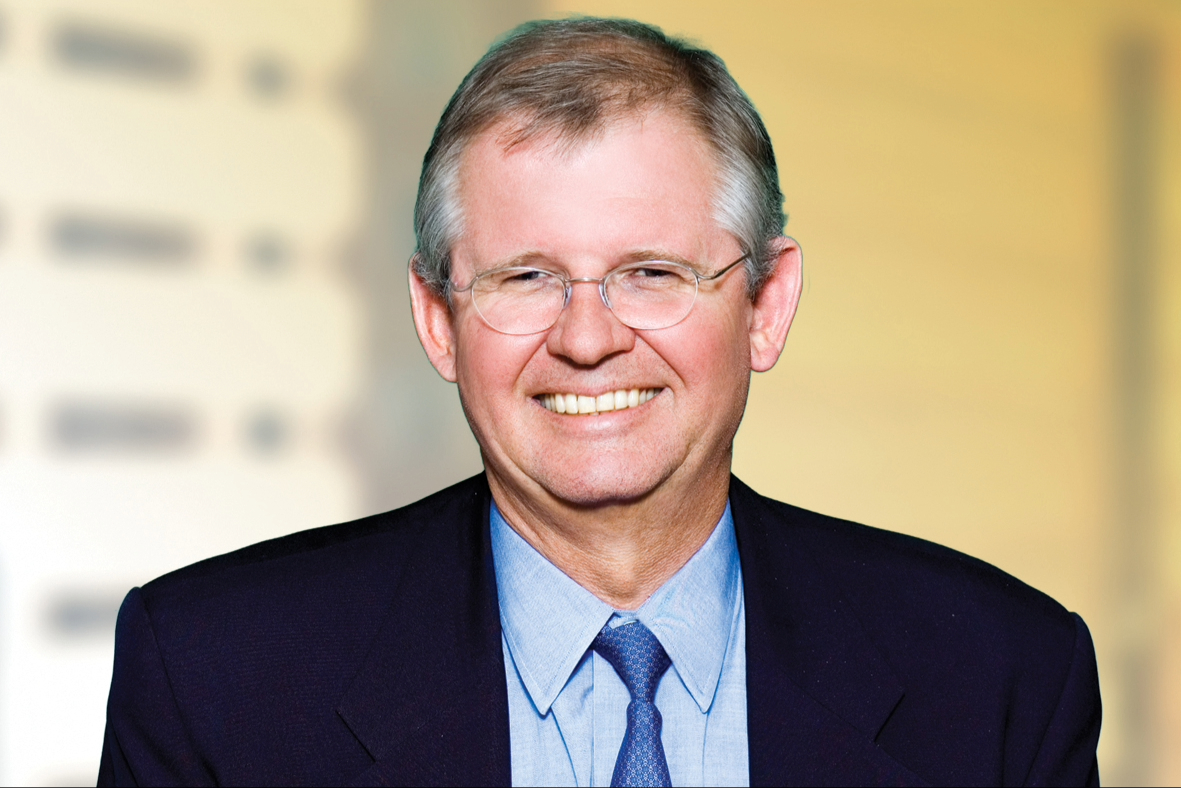
Caption: Jaco Maree, Former CEO of Standard Bank South Africa.
South Africa needs an additional $75 billion (R1.27 trillion) in annual investments to meet its growth objectives, the former leader of the continent’s biggest lender by assets said.
“Growth above all is what’s required,” said Jacko Maree, who was chief executive officer of Standard Bank Group Ltd from 1999 to 2013, in an interview on the sidelines of a conference in Johannesburg on Thursday.
“There really is only one real long-term solution, and that is fixed investment,” he said.
Africa’s most industrialised economy is still contending with the fallout of a more than decade-long energy crisis and an era of government corruption that’s driven up the cost of doing business, weighing on investor sentiment and economic growth.
Output has expanded by an average of 0.4% since 2018, when Cyril Ramaphosa took over as president and started reform efforts.
Investment gap
While the government in 2012 said fixed investment should reach 30% of gross domestic product (GDP) by 2030 to foster inclusive growth in one of the most unequal countries in the world, the ratio stands at less than 15% currently, said Maree, who also served a five-year term as one of Ramaphosa’s special envoys for investment from 2018.
The goal was part of the National Development Plan, the fifth economic blueprint formally adopted since the ANC came to power more than three decades ago.
South Africa should draw on the success of its renewable energy investment programme to create bankable projects with clear frameworks across ports, rail, tourism and other industries that could unlock capital held by pension funds, large businesses and other investors, he said.
Growth and jobs
Stronger cooperation between business and government is essential to stimulate the economy, said Nhlanhla Nene, former finance minister.
While National Treasury in October estimated that the economy could grow by 2% by the end of this decade, output of at least 3% is needed for meaningful employment and to improve living standards, he said.
Nene, who is also chair of the African unit of The European House – Ambrosetti, an Italian research firm, is working with top executives to support economic growth and infrastructure development the region.
“Our focus is on investment more than anything and we’re actually trying to build economic community and we’re in economic communities,” he said.
The think tank’s Global Attractiveness Index ranks South Africa first out of 54 countries on the continent due to its strong logistics and trade sectors as well as its institutions.