
By Lehlohonolo Lehana.
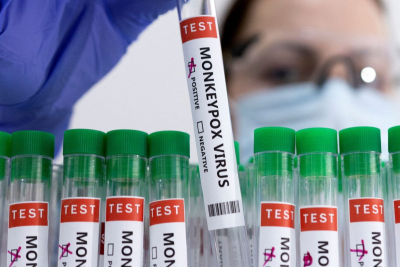
The Department of Health (DoH) has confirmed that the Grade 1 pupil from Hammanskraal who was tested for mpox, has tested negative for the viral disease.
It comes after the Gauteng Education Department reported that the pupil had shown symptoms and initially tested positive for the disease.
The statement was later retracted.
The Education Department said that Mpox cases could only be confirmed by the Health Department and the NICD.
Health Department spokesperson Foster Mohale has cautioned the public against self-diagnosing or isolating without confirmed laboratory results.
“The public is urged to report to a healthcare facility when they experience any suspicious symptoms related to Mpox instead of self-diagnosing and isolating without laboratory confirmation. The country has not recorded any new cases of Mpox for last week, and this confirms that the situation is under control.
“However, this does not mean that we are off the hook or should lower our guard, and we cannot guarantee at the current moment that this infectious disease has been eradicated because it may re-emerge once severe cases present for healthcare.”
Mpox was first discovered in humans in 1970 in the DRC, with the spread of the Clade I subtype, since mainly limited to certain West and Central African nations, with people mainly catching it from infected animals, such as when eating bushmeat.
Then in May 2022, mpox infections surged worldwide, mostly affecting gay and bisexual men. That was the Clade II subtype.
Since last September though, a new, deadlier Clade I strain has been spreading in the DRC, which is sexually transmitted also among heterosexuals, with the outbreak beginning among sex workers.
Testing revealed it was a mutated variant of Clade I, called Clade Ib.
The global mpox outbreak two years ago led the WHO to declare a public health emergency of international concern, the highest alarm it can sound, in July 2022.