
By Lehlohonolo Lehana.
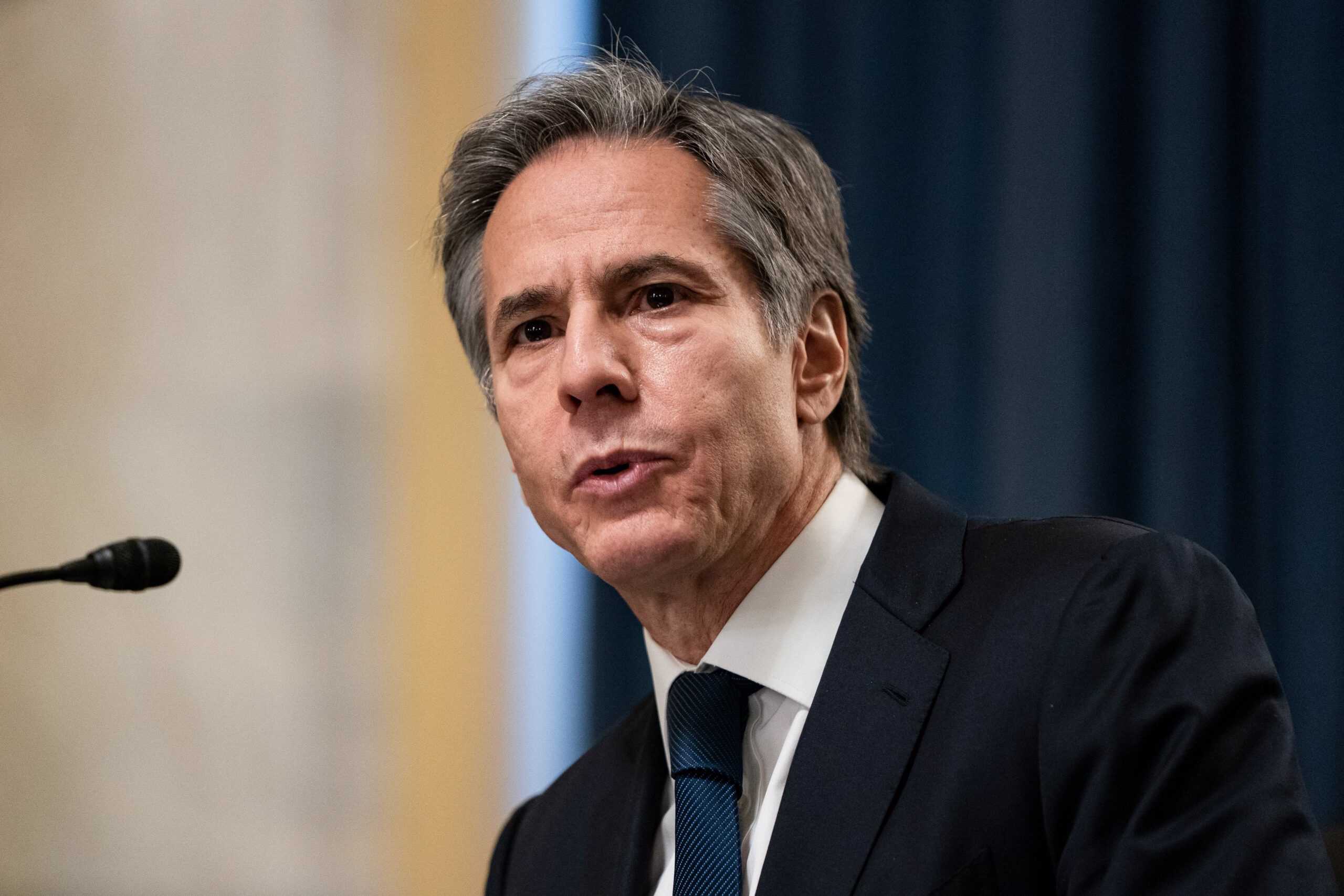
US Secretary of State Antony Blinken reached out to his South African counterpart Naledi Pandor, before the International Court of Justice rules on whether or not to order emergency measures against Israel in its war against Hamas.
South Africa has hauled Israel before the court, alleging it stands in breach of the UN’s Genocide Convention, signed in 1948 as the world’s response to the Holocaust.
The war in Gaza erupted when Hamas launched its unprecedented October 7 attack, which resulted in more than 25,000 people killed, or more than 1% of Gaza’s 2.3-million population, according to Palestinian health authorities.
Israel rejected the accusations from SA and said it had a right to defend itself after the October 7 attack on Israel by Palestinian Islamist group Hamas, which governs Gaza. Israeli officials said in the attack 1,200 people were killed and 240 taken hostage.
South Africa wants the ICJ to issue so-called “provisional measures”, emergency orders to protect Palestinians in Gaza from potential breaches of the convention.
UN judges on Friday will rule on SA’s request for emergency measures against Israel, which is accused at the International Court of Justice of state-led genocide for its military operation in Gaza.
Friday’s ruling will not deal with the core accusation of the case — whether genocide occurred — but will focus on the urgent intervention sought by SA.
Orders from the ICJ, which rules in disputes between countries, are legally binding and cannot be appealed.
However, the court has little power to enforce its verdicts — for example it ordered Russia to stop its invasion of Ukraine one month after it began, to no avail.
The US State Department said the phone call touched on the need to protect civilian lives, ensure sustained humanitarian assistance to Palestinian civilians, and work towards lasting regional peace that ensures Israel’s security and advances the establishment of an independent Palestinian state.
The secretary reaffirmed support for Israel’s right to ensure the terrorist attacks of October 7 can never be repeated.
“Of course our relationship with South Africa is vitally important and it is a very broad and deep relationship covering many, many issues,” Blinken said.
When we have a disagreement on one particular matter, it doesn’t take away from the important work that we are doing together,” he added.
Since South Africa’s transition to democracy in 1994, both countries have built a solid bilateral relationship. South Africa is a strategic partner of the United States, with strong collaboration in the areas of health, education, environment, and digital economy.