
By Lehlohonolo Lehana.
The 2024 African Mining Indaba kicks off on Monday and will continue until February 8 in Cape Town under the theme “Embracing the power of positive disruption: a bold new future for African mining”.
This reflects the objective of finding solutions and paths towards positive change in the mining industry.
The indaba is the world’s largest gathering of influential stakeholders in the mining industry.
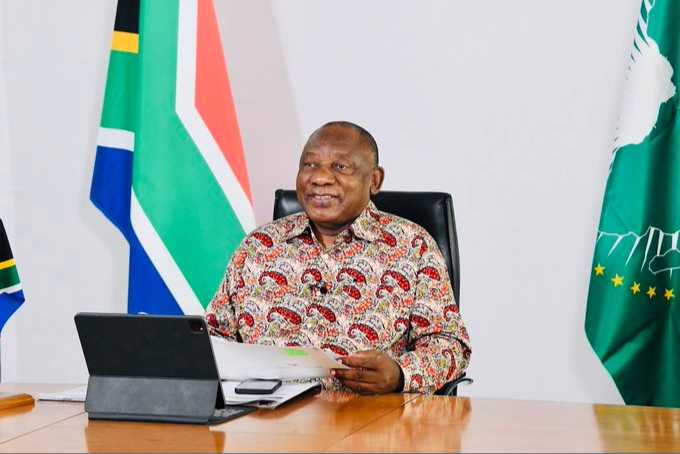
President Cyril Ramaphosa says the 2024 Investing in African Mining Indaba will place the spotlight on the significant potential of the mining sector in fostering economic expansion and employment opportunities.
“From the work already underway, we have shown that it is possible to overcome the barriers to growth by working together in partnership. We are building momentum and have begun to see the results,” the President said in his weekly newsletter on Monday.
He emphasised that “as more and more of our products leave the country’s shores, whether to the African continent or other parts of the world,” more companies will thrive, more investment will be made and more jobs will be created.
The President’s comments follow on last week’s launch of the first export shipment of goods produced by South African companies destined for other African countries under the preferential trade provisions of the African Continental Free Trade Area (AfCFTA) from the Durban port.
The AfCFTA intends to create a single market for goods and services, facilitated by movement of persons in order to deepen the economic integration of the African continent.
Turning to ports and rail, the President highlighted that for some years now the efficiency and competitiveness of South African ports and rail network have been in decline. He spoke of the need to fix the country’s logistics architecture.
Transnet, which operates ports and freight rail lines, has had to contend with severe challenges, including the effects of state capture, the impact of the COVID pandemic, natural disasters and the rising levels of theft and vandalism of its infrastructure.
As a result, the volume of goods transported on the rail network has decreased significantly, forcing more companies to use trucks and causing road congestion.
“Working together with the private sector, we are turning the situation around, guided by the Freight Logistics Roadmap that was crafted by Transnet, government and social partners. The roadmap outlines a clear set of actions to stabilise and improve Transnet’s performance in the short term and to fundamentally reform the logistics system in the long term,” he said.
To ensure this work receives dedicated attention, the National Logistics Crisis Committee (NLCC) has been established which is chaired by the Presidency and brings together all of the relevant government departments to drive a coordinated response to the logistics challenges.
Government has also established Corridor Recovery Teams which bring Transnet, the private sector and independent experts together to improve the performance of strategic rail and port corridors.
The President highlighted that this single-minded approach to improving performance is already showing results.
For example, the number of ships waiting to berth at the Port of Durban – which has experienced severe congestion in recent months – reduced from more than 60 ships in mid-November to just 12 ships at the end of January.
At the Port of Cape Town, which is preparing for the important fruit season, Transnet has deployed new leadership and is putting in place several measures to improve its capacity in the short term. Seven new cranes, which are used for moving and stacking containers, were delivered to the port last month, and the number of work shifts is being increased to improve vessel turnaround times.
In addition to these short-term measures, the Freight Logistics Roadmap includes far-reaching reforms to modernise the logistics system and enable much greater investment in infrastructure.