
By Lehlohonolo Lehana.
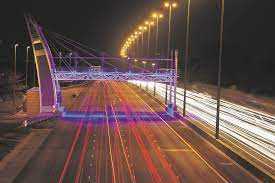
Gauteng Premier Panyaza Lesufi announced the e-toll grantees in Gauteng will officially start being switched off and delinked by 31 March 2024.
Lesufi made the announcement during his State of the Province Address (SOPA) on Monday (19 February 2024).
“E-tolls were a system that was introduced to our province by the national government in a bid to improve our roads. However, we have reached a point where we all accept that the people of Gauteng have rejected e-tolls,” Lesufi said.
He added that he had a meeting with all affected parties – including the minister of finance and transport – and “we have reached an agreement that by 31 March 2024, we will start the formal process of switching off and delinking the e-toll system”.
“E-tolls will be history in Gauteng,” he said.
The province set itself a deadline for proposing a “comprehensive plan” to national government on how it aims to settle its share of the e-toll debt by December 2023.
Gauteng is responsible for paying 30% of the debt and interest obligations incurred by the Gauteng Freeway Improvement Project, which includes e-tolls, while national government is being held accountable for the remaining 70%.
Lesufi added Finance Minister Enoch Godongwana would elaborate on this decision during his Budget Speech on Wednesday (21 February).
Since 2022, the main roadblocks standing in the way of ending the controversial scheme were the absence of a binding agreement between the Gauteng and national governments on the province’s financial commitments to pay off its share of the debt, its contribution to the maintenance backlog, and the administrative costs associated with the recovery of toll payments from defaulting users, Godongwana revealed in an official parliamentary inquiry last year.
Over a year after the initial announcement, however, e-tolls were still billing motorists on a daily basis, and their payment collections contract has been extended into December 2023.
This move, long awaited by motorists who have been burdened by daily toll charges, marks a significant shift in government policy, influenced by persistent public opposition and the advocacy of groups like the Organisation Undoing Tax Abuse (Outa).