
By Lehlohonolo Lehana.
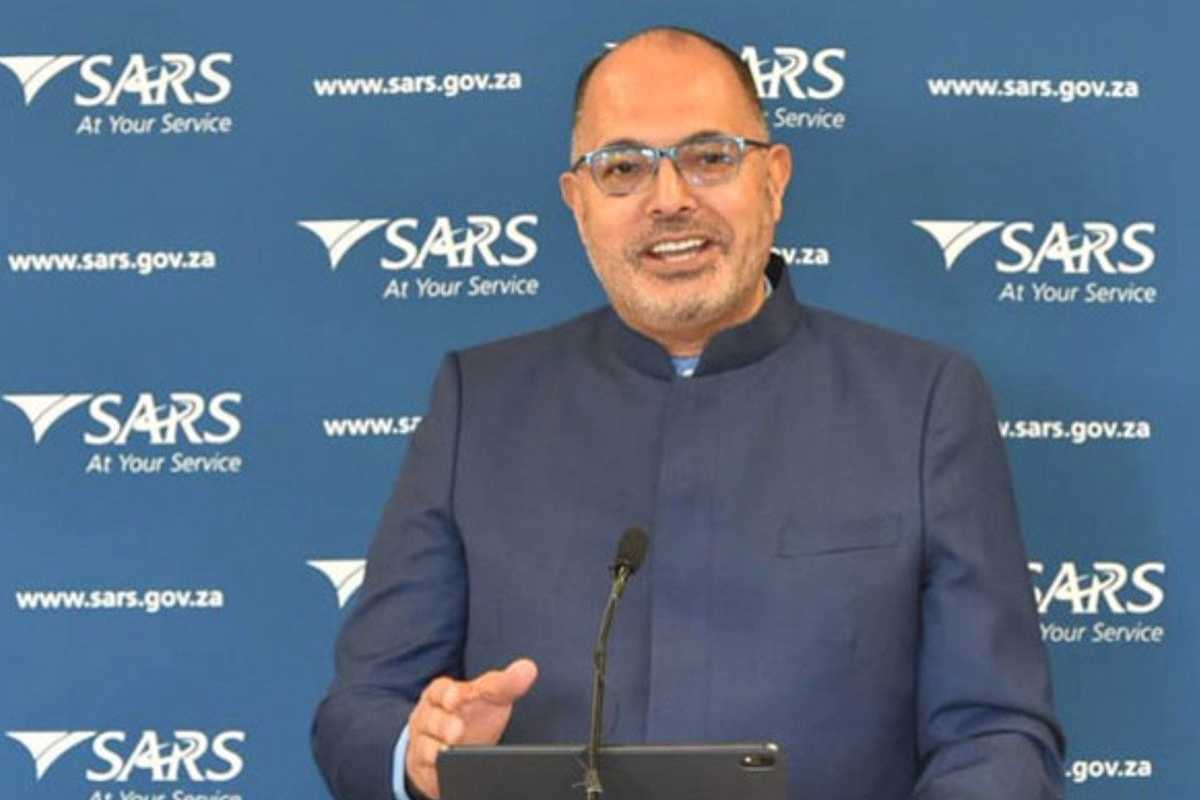
South African Revenue Service (Sars) Commissioner Edward Kieswetter has welcomed the Pretoria High Court’s decision to dismiss an application for leave to appeal by British Petroleum of South Africa (bpSA) to review the commissioner’s decision to refuse its refund claims and levy forfeiture under the Promotion of Administrative Justice Act (Paja).
The petroleum giant has been involved in a legal dispute with SARS since 2019, when it claimed to have sold three millions gallons of diesel to Zimbabwe and was seeking refunds under the diesel rebate scheme.
BPSA argued that the High Court should have referred the appeal on the Commissioner’s Customs determination to trial as well.
The High Court refused this request on the basis that there was no dispute of facts on matters of Customs determination but only on forfeiture.
The High Court’s decision from last Thursday, is a sequel to its earlier judgement of 12 January 2024 where it dismissed BPSA’s appeal under section 47(9)(e) of the Customs and Excise Act against determinations made under the Act by the Commissioner.
Those determinations were that BPSA did not qualify for refunds of duty paid on fuel that BPSA says was exported to Zimbabwe.
“This is so because BPSA cannot prove that fuel was exported to Zimbabwe, nor can it identify the consignee who received the export delivery in Zimbabwe. Commissioner Kieswetter expressed his satisfaction that the court has provided legal certainty and clarity on how SARS should deal with ghost exports,” SARS said in a statement.
Kieswetter said, “SARS has had to deal with this phenomenon of phantom exports with attendant costs to the fiscus, resulting in underserved refunds. SARS is working very hard to assist taxpayers to meet their legal obligations and facilitate trade. However, it will make it hard and costly for taxpayers who are engaged in non-compliant behaviour. This will be pursued without fear, favour or prejudice.”
He added that SARS, is working diligently to help taxpayers fulfil their legal obligations and promote trade facilitation. Nevertheless, it will impose stringent measures and incur costs for taxpayers who engage in non-compliant behaviour.