
By Lehlohonolo Lehana.
@GalloImages.
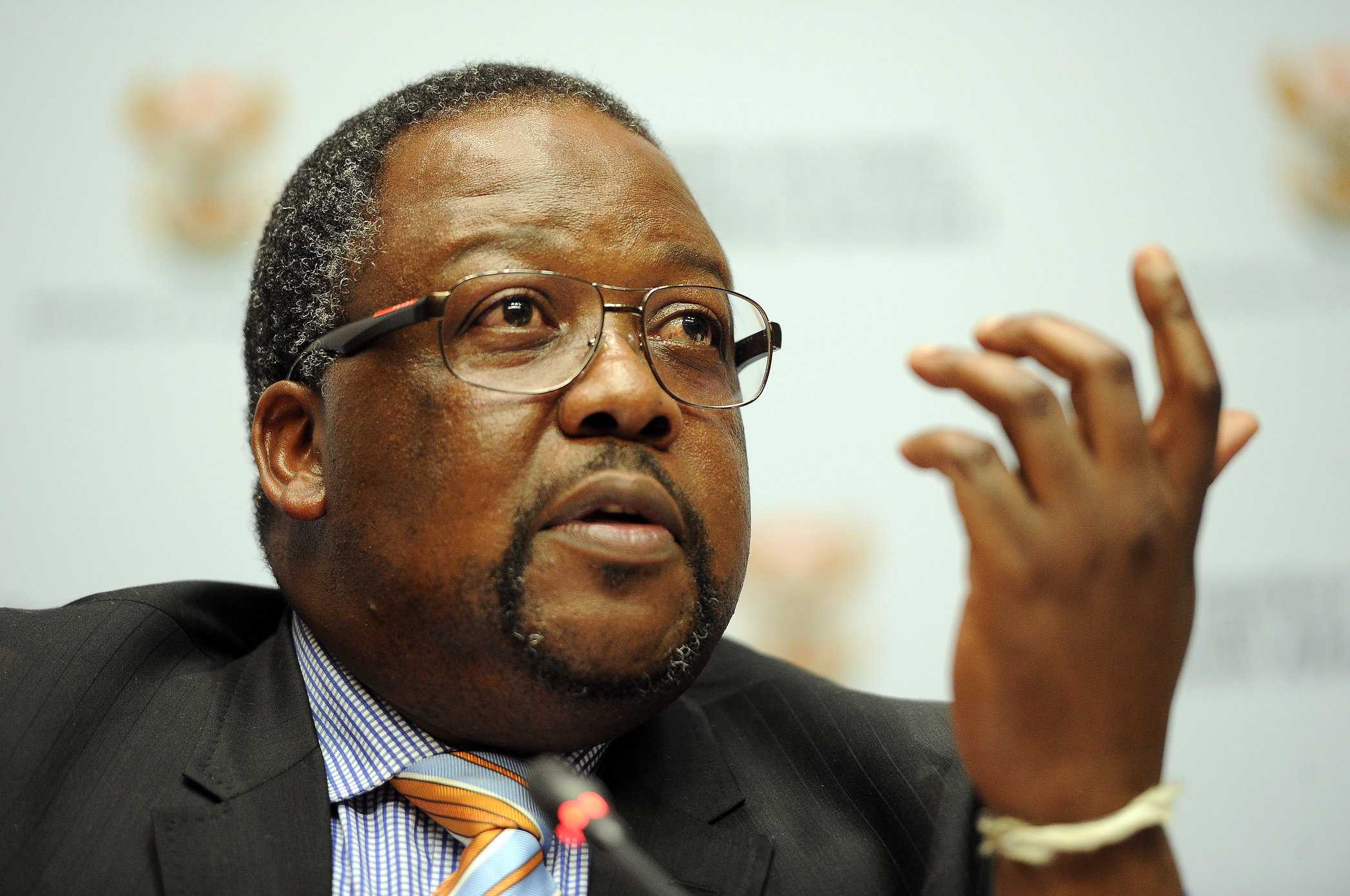
The African National Congress (ANC) has confirmed the resignation of former National Executive Member (NEC) Nathi Nhleko from the party.
ANC spokesperson Mahlengi Bhengu-Motsiri confirmed that the party had received Nhleko’s resignation.
Bhengu-Motsiri said, “There is nothing special [in Nhleko’s resignation], any member can resign. We have had members resign before.”
She said that if Nhleko had concerns over the way the organisation was run, he should have consulted the senior leadership.”
Nhleko expressed his dissatisfaction over secretary general Fikile Mbalula’s assertion that he was sweating and called a swimming pool a fire pool during the investigation into former President Jacob Zuma’s Nkandla residence.
In a seven page letter addressed to the Albertina Sisulu Branch secretary Tolo Fakazi, Nhleko said that Mbalula’s accusations demonstrated “the bankruptcy, lunacy, and the defunct manner of thinking by the Secretary General, which has unfortunately defined the barren form the ANC has undertaken”.
“In the past few years, I have observed that I no longer recognise this ANC that I joined, the ANC whose only aspiration was to liberate our people. The ANC as a liberation movement spoke and acted strongly on good ethics; a collective approach; was people focused; and emphasised on humanity and freedom for all,” he said.
Nhleko said he had observed fundamental shifts in the ANC that were sad. It was “painful” to see an organisation he loved dearly turning into something unrecognisable, he said.
This included the gradual dismantling and privatisation of state-owned enterprises; the transfer of control of vital sectors of the economy to the “white dominated private sector”; the reduction of state influence and oversight in critical sectors which could potentially compromise public interest and welfare, and the reduction of employment within state owned enterprises which, he said, leads to job losses.
“The above stated points represent a deviation from the ANC founding principles, as starkly illustrated by [the] newly found emphasis on austerity measures. These austerity measures are characterised by severe reduction on social spending. For instance, social grants benefiting the elderly have been consistently increasing up until 2018 by 8% annually. Since 2018 the figure of 8% has been reduced to 4% annual increases, with a projected 2% to 3% annual increases for the Medium-Term Expenditure,” he said.
During his tenure as police minister, Nhleko was exposed as a Zuma’s close ally, instituting investigations into Zumas political foes. The auditor general also found that the financial management, governance, control and leadership of the department under Nhleko had regressed and was inadequate.