
By Lehlohonolo Lehana.
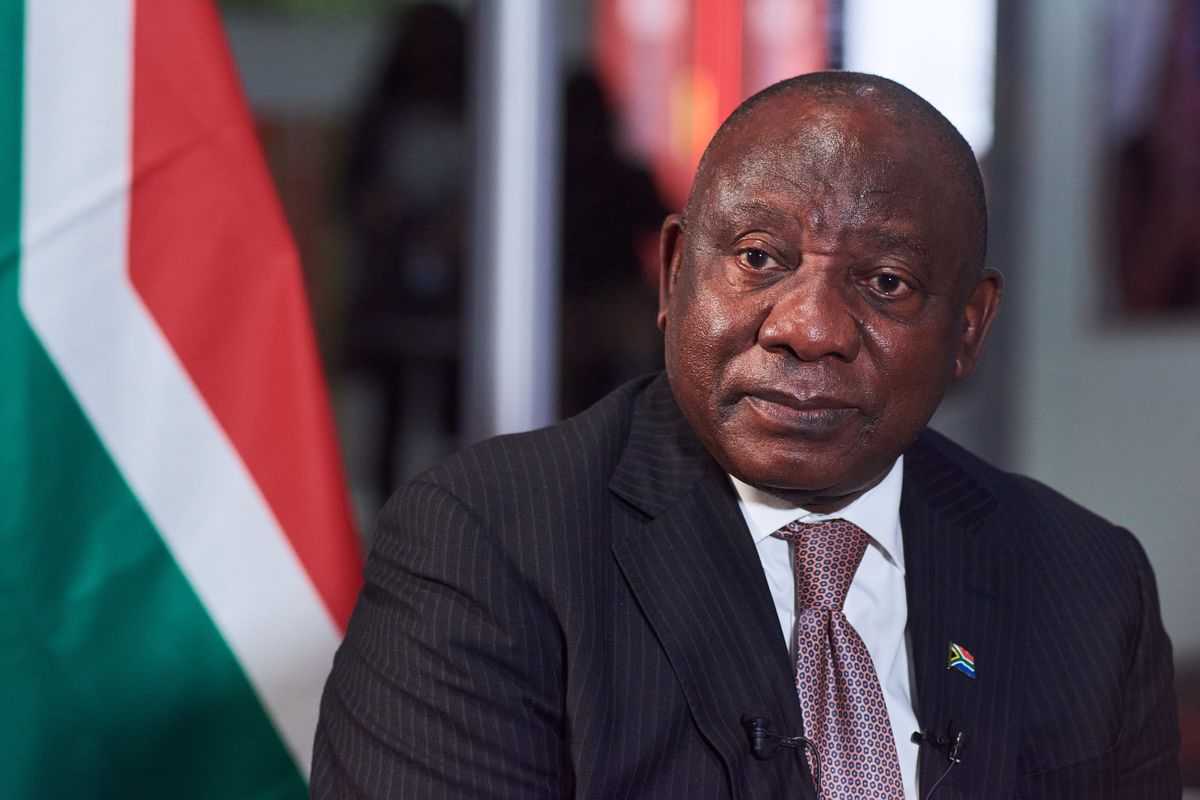
President Cyril Ramaphosa is scheduled to participate in the Commemoration of Genocide against the Tutsis in Rwanda on Sunday.
Rwanda begins sombre commemorations for the 30th anniversary of the 1994 genocide, a mass slaughter that lasted a 100 bloody days and was orchestrated by Hutu extremists against the Tutsi minority.
The genocide led to the death of more than a million people, mainly ethnic Tutsis.
Presidency Spokesperson Vincent Magwenya says Ramaphosa will travel on Saturday and will be joined by International Relations Minister Naledi Pandor.
The ceremony of remembrance will take place in Kigali on Sunday.
Ramaphosa will also participate in a wreath-laying ceremony at the Kigali Genocide Memorial, followed by the National Commemoration ceremony, which will conclude with a Night Vigil at BK Arena in Kigali.
“Bilateral relations between South Africa and Rwanda were established in 1995, which were further strengthen through the signing of a General Cooperation Agreement in 1999.
“Since the inauguration of the Joint Cooperation Commission in Pretoria on 22 June 2001, significant progress was recorded in areas such as institution and capacity building, health, and education. South African companies have also invested in Rwanda,” says Magwenya.
France, one of the top destinations for Rwandans fleeing justice at home, has tried and convicted half a dozen people over their involvement in the killings.
In a pre-recorded video ahead of the ceremonies, French President Emmanuel Macron said on Thursday that France and its allies could have stopped the genocide but lacked the will to do so. Macron’s declaration came three years after he acknowledged the “overwhelming responsibility” of France — Rwanda’s closest European ally in 1994 — for failing to stop the country’s slide into the slaughter.
President Paul Kagame’s government and genocide survivor organizations have often accused France of training and arming militias and troops that led the rampage,sometimes saying they expect a formal apology.
A report commissioned by Macron in 2019 and published in 2021 concluded that French authorities failed to see where Habyarimana’s regime, which France supported, was headed and were subsequently too slow to acknowledge the extent of the killings. However, the report cleared France of any complicity in the massacres.
After Kagame seized power, many Hutu officials fled into exile or were arrested and imprisoned for their alleged roles in the genocide. Some escaped to neighboring Congo, where their presence has provoked armed conflict. In the late 1990s, Rwanda twice sent its forces deep into Congo, in part to hunt down Hutu rebels.