
By Lehlohonolo Lehana.
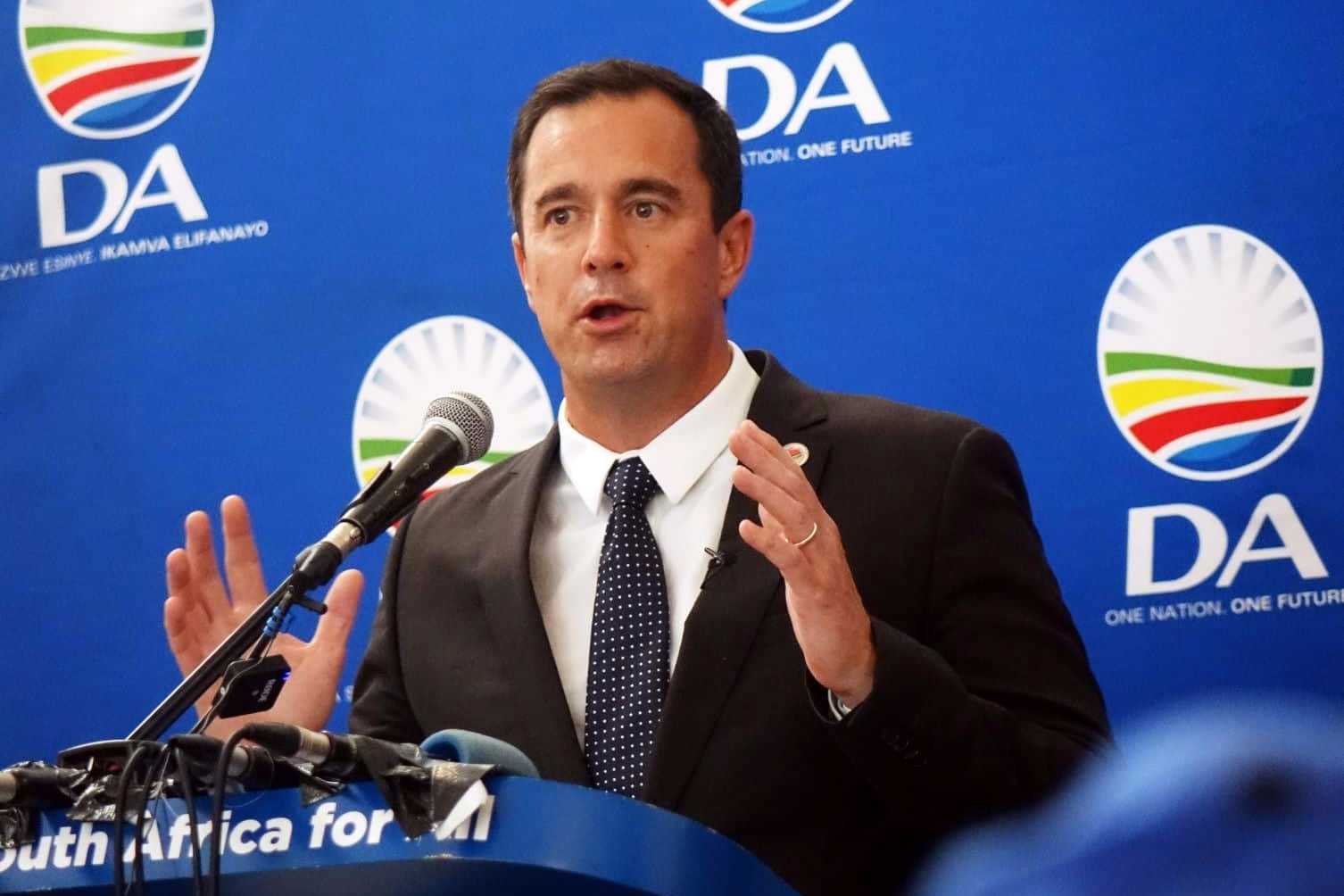
The Democratic Alliance (DA) leader John Steenhuisen has unveiled his party’s economic policy, which he says is the correct pathway to unleash enterprise, grow the economy and create jobs.
Speaking at the party’s headquarters in Johannesburg, Steenhuisen said the DA believes its economic policy would create two million new jobs.
South Africa’s unemployment rate, already the highest in the world, rose to 32.1% in the fourth quarter of 2023.
At the same time, the economy grew by only 0.1 per cent in the same quarter, narrowly avoiding a recession.
The struggling economy is expected to be one of the main issues when voters decide on their political party of choice during the general elections, with most parties promising a deluge of jobs if voted into power.
Steenhuisen said the DA’s economic policy is built on the “simple, yet fundamental, truth” that the wrong choices, made by the wrong people, have created the country’s unemployment crisis and that better choices made by the right people can solve the crisis.
“The plan is built on getting the right people into government so that those people can make the better choices that South Africans desperately need.
The policy sets out how we will improve the ease of doing business, which alone will unlock between 250,000 and 400,000 new jobs. Through making better fiscal choices we will generate another 250,000 to 500,000 new jobs.”
The policy proposals include reforming labour laws, the introduction of a new youth employment opportunity certificate, expanding collective bargaining to extend worker representation and exempting small, medium and micro enterprises from wage agreements they cannot afford.
Steenhuisen added that 500,000 to one million new jobs would be created through better collective bargaining to expand representation and exempt small, medium-sized, and microenterprises from “agreements they cannot afford”.
On 29 May, nearly 28 million South African registered voters have the chance to elect representatives to the national and provincial parliaments.
It will be the country’s seventh democratic general election.
They have taken place every five years since 1994, when white-minority rule ended and the ANC came to power.