
By Lehlohonolo Lehana.
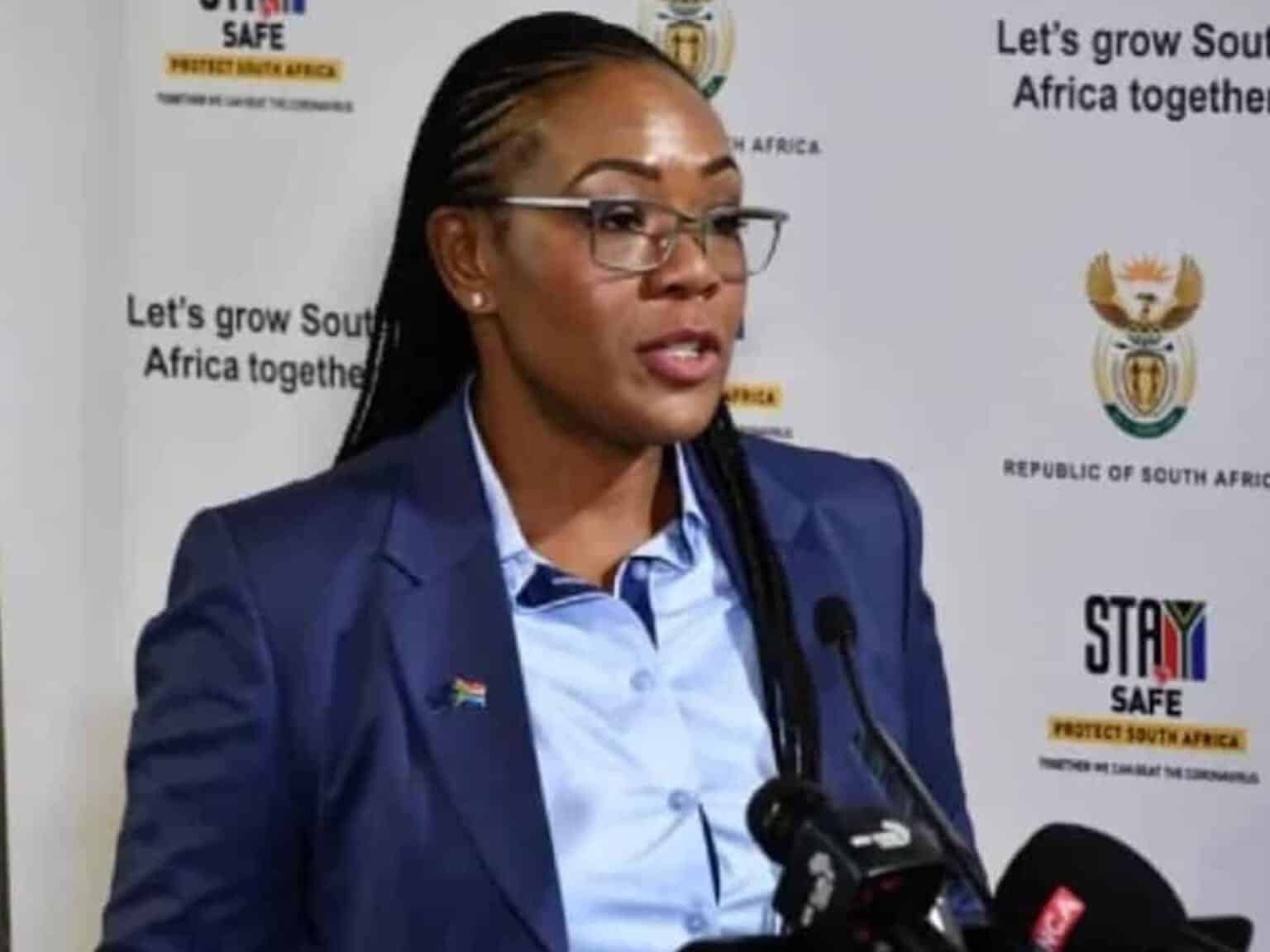
The Auditor-General (AG) Tsakani Maluleke presented the 2023-2024 General Report on national and provincial departments to Parliament’s Standing Committee on Public Accounts (Scopa) on Tuesday.
Over the past five years, government overspending totalled R38.83 billion, while fruitless and wasteful expenditure amounted to R10.34 billion.
From 1 April 2019, the National Assembly-amended Public Audit Act granted the auditor general more powers to deal with errant financial reporting and responsible officials.
Maluleke said her office had implemented the new set of powers over the past five years, but stressed that she still had limitations.
“The powers do not provide for us to put anybody in jail. The powers also don’t provide for us to discipline anybody. The powers are a complementary mechanism for us to follow up on how our audit reports and recommendations are being dealt with, “she explained.
But, said Maluleke, the amended audit legislation allowed the organisation to track “material irregularities” — payments for goods and services that were not received, unfair, uneconomical and uncompetitive procurement, value for money not received, as well as state assets not safeguarded, among a host of other issues.
The auditor general said tracking material irregularities, which stood at more than R14.3 billion in losses since 2019-20, allowed her office to recoup that wasted and lost funds.
“Out of that R14.3 billion, we’ve been able to get accounting officers to get back just over R3 billion. And that’s just for the PFMA cycle over the last five years,’ she said.
“Yes, we can celebrate that we’ve been able to protect resources of R3.39 billion,” she added, acknowledging that there was a huge disparity between R14.3 billion and R3.39 billion.
“And the gap that sits between those two numbers is the behaviour of accounting officers, who must ensure that they prevent these problems, and they detect them and act on them much more quickly.”
Maluleke pleaded with the chairpersons of oversight committees to strengthen their work in holding state officials accountable, saying the country’s low economic growth figures — projected to average a paltry 1.8% over the next three years, according to Finance Minister Enoch Godongwana — increased pressure on the country’s fiscus.
“It’s going to be absolutely crucial that we push back on any tolerance for poor payment practices,” she said.
She gave the example of the energy and water public sector, where R700 million was paid to a service provider for training “that was not delivered”. She added that, after her office raised the issue, work was under way to try to recover the lost funds.
The Unemployment Insurance Fund (UIF) and the Compensation Fund had a multi-year non-compliance with filing financial statements on time.
Maluleke said for the past 12 years, the Compensation Fund received disclaimers in its audit opinions, the worst outcomes recorded by her office, which she said was worrying because it managed a large budget from employer contributions.
“This past year, R11 billion went through the Compensation Fund and the question has got to be: what will it take to get the Compensation Fund properly attended to in terms of moving it out of this space, where accountability, transparency and oversight and good governance are clearly being ignored?”
Procurement and supply-chain management processes were flagged in the audit report submitted to parliament, with the organisation stating that “the quality of submissions of financial statements” regarding what the state purchased remained poor.
The AG also identified three main shortcomings in national and provincial government that hold back progress, including inadequate intergovernmental planning, ineffective resource management and a culture of no accountability.