
By Lehlohonolo Lehana.
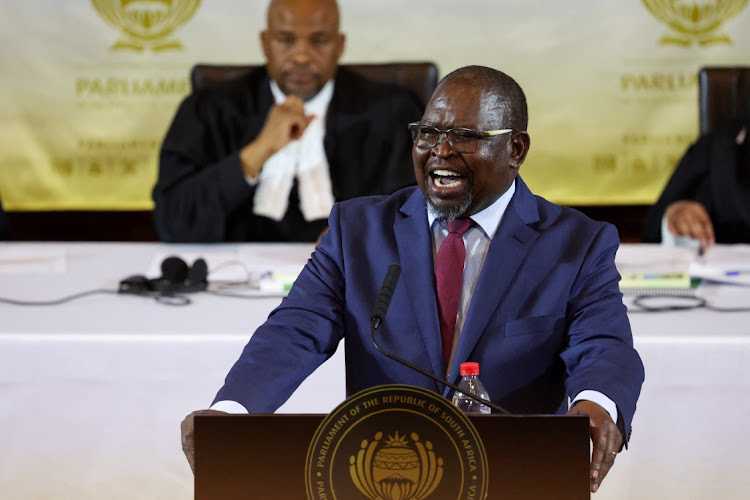
Finance Minister Enoch Godongwana in his 2024 Budget Speech announced, sin taxes on alcohol will rise by between 6.7% and 7.2% over the next year to help the government raise additional revenue to close its massive deficit. Tobacco products will also increase by between 4.7% and 8.2%.
Godongwana said that the poor performance of South Africa’s economy has resulted in a sharp decline in tax revenue collection for 2023/24, with R1.73 trillion of tax revenue in 2023/24, R56.1 billion lower than estimated in the 2023 Budget.
Sin taxes and customs duties are the fourth-biggest contributors to government’s tax revenue base and are projected to generate R141.8bn in 2024/2025.
Smokers and drinkers will now be required to dig deeper into their pockets, as they are due for the following increases:
- A 750ml bottle of spirit will cost R5.53 more;
- A bottle of sparkling wine rises by 89c;
- Fortified wine will cost 47c more;
- A packet of 20 cigarettes will cost 97c more;
- Puffing away at a 23g cigar will cost R9.51 more;
- A 340ml can of malt beer or cider goes up by 14c; and
Vapes were also not left unscathed as the excise duty on electronic nicotine and non-nicotine delivery systems, known as vapes, has increased from R2.90/ml to R3.04/ml – a 4.6% increase.
This is a little less than the inflationary increase that PwC previously expected. Inflation jumped from 5.1% in December 2023 to 5.3% in January 2024.
In addition to the sin taxes, Treasury announced additional tax hikes for plastic bags and incandescent lightbulbs.
The government proposes to increase the plastic bag levy from 28c/bag to 32c/bag from 1 April 2024.
To encourage the uptake of more efficient lighting such as light-emitting diode (LED) bulbs and reduce electricity demand, it proposes to raise the incandescent light bulb levy from R15 to R20 per light bulb from 1 April 2024.
“This complements the phase-out of inefficient light bulbs and promotes compliance with the new energy efficiency standards published in May 2023 by the Department of Trade, Industry and Competition,” He said.