
By Lehlohonolo Lehana.
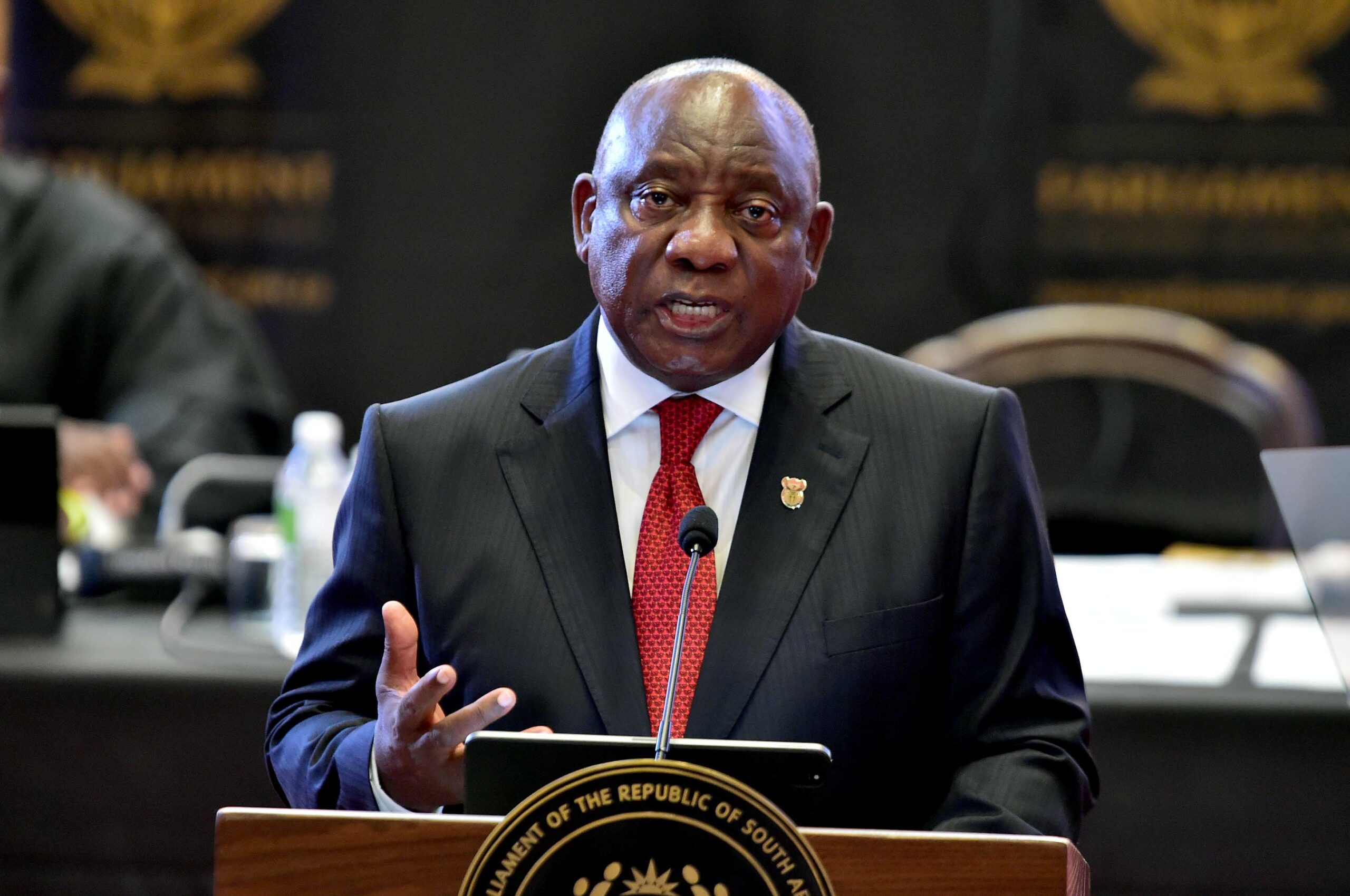
President Cyril Ramaphosa delivered his ninth state of the nation address (SONA) under the Government of National Unity (GNU) at the Cape Town City Hall on Thursday.
Political parties, economist and business leaders have called fast-tracked economic growth initiatives to be included in this year’s SONA.
SONA was overshadowed by diplomatic tensions between South Africa and the US over land, social inclusion and climate policies.
South Africa’s leadership of the G20 has gotten off to a tough start, with US Secretary of State Marco Rubio stating that he will not visit South Africa later this month over concerns surrounding the recently passed Expropriation Act.
US President Donald Trump also said that he would cut funding to South Africa over claims that the state is expropriating land and treating certain classes of people terribly.
Ramaphosa said South Africa would “not be bullied” as it sought to chart a new path in a rapidly changing world.
He made no direct reference to Trump’s threat to withdraw all aid because of South Africa’s new Expropriation Act, which Trump said was resulting in South Africa “confiscating land, and treating certain classes of people very badly”, but provided no evidence for the allegation.
Neither did he refer directly to Rubio’s announcement that he would not attend the G20 gathering in Johannesburg, because the conference’s theme of “solidarity, equality and sustainability” conflicted with the Trump administration’s rejection of diversity, equity and inclusion, as well as climate action.
However, Ramaphosa used the SONA, as well as the recent formation of a government of national unity, to underline South Africa’s commitment to both cooperation and multilateralism.
As South Africans, we know the power of cooperation, of what is possible when people of different backgrounds, races, cultures, languages, ethnic groups and religions come together behind a shared objective, “he said.
Through partnership, he added, South Africa had overcome apartheid, “a crime against humanity that denied people their human rights, that deprived them of their land and livelihoods, that sought to strip them of their dignity”.
Ramaphosa also used the platform to stress the country’s commitment to racial and gender equality and inclusion, saying: “We stand for non-racialism and democracy, for tolerance and compassion. We stand for equal rights for women, for persons with disability and for members of the LGBTQI+ community. We stand for our shared humanity, not for the survival of the fittest.
Ramaphosa announced that he would be sending a delegation of government and other leaders to various African and global capitals to explain the country’s policy positions and to highlight its objective for the G20 Presidency; a role it is meant to transfer to the US after the Johannesburg event.
“Our G20 Presidency is a valuable opportunity for South Africa to advance efforts towards greater global economic growth and sustainable development,” he said, adding that the chosen theme underscored the need for international cooperation and partnership in a world that was characterised by “both interdependence and competition, of cooperation and conflict”.
Watch Live in the video below:
Video Courtesy of Parliament.