
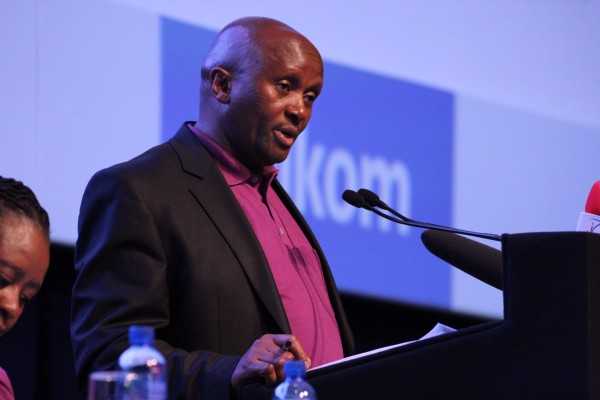
By Lehlohonolo Lehana.
The Independent Electoral Commission (IEC) of South Africa is aiming to enable and assist South Africans to register online to vote in the national and provincial elections scheduled to take place in 2024.
Themed “Your Vote Is Your Voice”, this campaign will be featured on print, electronic and digital media.
“South Africans who are eligible to vote in these elections are encouraged to use this hassle-free and convenient way – the Electoral Commission’s Online Voter Portal – to register to vote in the elections. The online voter registration campaign is scheduled to take place from Monday, 20 February to Friday, 3 March 2023, said a commission statement.
This campaign, targeted at South Africans who are 16 years and older, forms part of a multi-faceted year-long campaign by the Commission to encourage and facilitate eligible South Africans to register.
South Africans are encouraged to register here for the elections: https://registertovote.elections.org.za.
According to a report by the Gauteng City-Region Observatory (GCRO) in 2021, a central feature of South African electoral politics is that municipal polls tend to see relatively lower turnout rates in comparison to those for national and provincial governments.
The report pointed out that voter turnout for municipal and provincial elections showed a clear tendency for a lower proportion of registered voters to go to the polls.
However, 2021 (municipal elections) saw the number of registered voters stay static from previous polls, and also a drastic drop in voter turnout compared with the 2016 local elections. Some 3.6 million of the 6.2 million registered voters in Gauteng cast their votes in the 2016 municipal elections, giving a turnout of 58%. This time round only 2.7 million of 6.2 million registered voters cast ballots, driving turnout down 14.3 percentage points to 43%,” read the GCRO report.
The report showed that the reasons for the low turnout were arguably complex and multifaceted.
They range from the fact that mundane individual and administrative factors (such as not being able to get to the voting station on the day, health constraints, or not being in the right voting district) were likely exacerbated by Covid-19, through to higher levels of political disillusionment and disengagement,” found GCRO.
It also found that the relative weight of various factors in driving lower turnout was a matter for debate. Based on arguments in the telephonic survey, it was indicated that individual factors such as being too busy on the day or being constrained by poor health or care responsibilities, as well as administrative barriers such as encountering long queues or ID issues at voting stations, counted far more than was usually recognised in other studies.