
By Lehlohonolo Lehana.
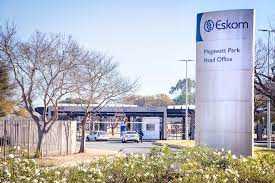
State owned ailing power utility Eskom says that load shedding will be reduced for the rest of the week – at least until further notice.
Due to the return of a generating unit each at Kriel, Majuba and Matimba power stations, stage 5 load shedding will not be implemented on Wednesday as previously communicated.
Stage 4 load shedding will continue to be implemented until further notice.
While load shedding will be eased slightly for the rest of the week, it will do little to save South Africa’s economy from an impending technical recession.
According to data published by Stats SA this week, South Africa’s economy shrank by 1.3% in the fourth quarter of 2022, with economists warning that the first quarter of 2023 is likely to yield a similar result.
The contraction was much larger than expectations by economists, coming as a shock to the economy.
The main driver behind the decline was load shedding, with near-permanent rolling blackouts being in effect for the entire quarter. Only two days in the last three months of the year were free of load shedding.
For 2023, the numbers do not look good.
The country has experienced high stages of load shedding every day of the year so far – averaging stage 4 – and it has seen the longest periods of stage 6 load shedding on record.
According to estimates from the South African Reserve Bank, these levels of load shedding cost the economy up to R900 million a day they are in effect. The impact of load shedding is so severe – and the SARB expects it to continue for at least 200 days this year – that it cut growth expectations for 2023 to just 0.3%.
Following the GDP numbers published this week, major banks have followed suit, cutting growth forecasts to between 0.1% and 0.4% – with risks to the downside.
Meanwhile recent data from the South African Property Owners Association (SAPOA) shows that load shedding is crushing the commercial property industry.
The latest SAPOA survey polled various property industries – namely, the commercial office, industrial, shopping centres, hotels and residential – on how their businesses had been affected load shedding and what changes they have been forced to make.
Organisations questioned ranged from smaller groups, between 1 to 100 employees, to larger companies that employed upwards of 500.
Out of those queried by SAPOA, only 1.69% of all respondents said that load shedding has to date, had no impact on business. Over 70% of respondents reported a serious or very serious impact on their business.
Load shedding has taken place every day this year with no sign of reprieve in the near term. Rolling blackouts have crippled the economy, pushed the country into a likely recession, halted business operations and shattered foreign investor interest.