
By Lehlohonolo Lehana.
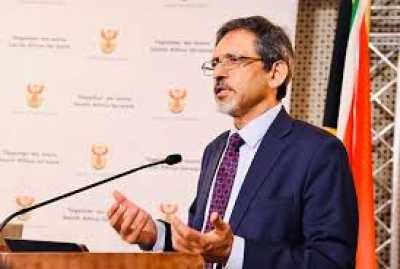
The Department of Trade, Industry and Competition (DTIC) minister Ebrahim Patel, has published the draft block exemption regulations for Energy Suppliers 2023 and similar exemptions for Energy Users under the Competition Act.
Patel, said that the new regulations would exempt certain agreements or practices by energy suppliers and users in a bid to boost the uptake of new energy generation.
This is in direct response to the electricity supply crisis, with the changes coming under the new freedoms allowed by the declared national state of disaster.
The Exemption for Energy Users deals explicitly with securing backup energy supplies, reducing energy costs and promoting the efficient use of the energy supply.
The exemptions include agreements relating to:
- Joint procurement of backup or alternate energy supply for purposes of supply to the national grid – including power purchase agreements;
- Sharing of backup or energy generation capacity, including energy generation equipment;
- Joint negotiation and purchase of energy related to product and service supply;
- Joint financing of backup and alternative energy supply to the national grid;
- Joint purchasing of shared backup and alternative energy generation capacity;
- Energy use, saving and optimisation initiatives to limit operational downtime and reduce energy demand;
- Joint procurement and the sharing of security services for purposes of securing shared sites.
However, despite these exemptions encouraging businesses to work together on energy solutions, the department doesn’t want businesses to get too close.
The regulations specifically exclude uncompetitive behaviour from the exemptions – like price fixing and collusion – to protect South African consumers and energy buyers from anyone looking to take advantage of the demand.
This includes fixing the prices of selling goods and services to customers or consumers, as well as collusive tendering.
Patel said the sole purpose of the regulations is to increase and optimise the supply of energy in the market or reduce the costs of energy supply.
On top of this, the regulations contribute to the various other regulatory measures aimed at the prevention of the escalation to a total blackout as contemplated in the declaration of a national state of disaster, said the minister.
Both sets of regulations specifically deal with issues around price fixing, collusive tendering and anti-competitive business practices – specifically those mentioned in sections 4 and 5 of the Competition Act.