
Staff Reporter.
The Department of Health has expressed concern at the increasing number of locally acquired indigenous cholera cases following the four new cholera cases that were recorded over the last week in Gauteng.
This brings the total number of positive cases to 10 in Gauteng – including one death.
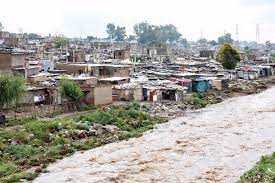
The department’s Foster Mohale says a man and his wife became ill after they were baptised in the Jukskei River in Gauteng recently.
A 50-year-old woman from Diepsloot, who baptised the couple, also tested positive.
“She also drank water from the same river during baptism. She was detected by the health response team during contact tracing.”
Six other people experienced health complications.
“Case number nine is a 10-year-old girl child from Katlehong in Ekurhuleni District who presented with diarrhoea, nausea and vomiting at Mpilweni Private Hospital,” says Mohale.
“It was established during the investigation that her mother was admitted to Thelle Mogoerane Hospital for different health conditions, unfortunately, passed away the following day.
“It was also established that the girl and her mother were baptised with other church members at Kliprivier a week earlier.”
Mohale says they suspect water from the Jukskei and Klip rivers to be the source of local cholera infections.
He says the people who picked up the disease recently, don’t have a history of international travel.
“The Environmental Health Practitioners will collect water samples from the two rivers for analysis in order to establish if indeed the water in contaminated with cholera.”
Key facts about Cholera from the World Health Organization
-
Most of those infected will have no or mild symptoms and can be successfully treated with oral re-hydration solution.
-
A global strategy on cholera control, Ending Cholera: a global roadmap to 2030, with a target to reduce cholera deaths by 90% was launched in 2017.
-
Researchers have estimated that each year there are 1.3 to 4.0million cases of cholera, and 21 000 to 143 000 deaths worldwide due to cholera (1)
-
Cholera is an acute diarrhoeal disease that can kill within hours if left untreated.
-
Provision of safe water and sanitation is critical to prevent and control the transmission of cholera and other waterborne diseases.
-
Severe cases will need rapid treatment with intravenous fluids and antibiotics.
-
Oral cholera vaccines should be used in conjunction with improvements in water and sanitation to control cholera outbreaks and for prevention in areas known to be high risk for cholera.
Compiled by Lehlohonolo Lehana.