
By Lehlohonolo Lehana.
The Muslim community has called on Eskom to keep the power on for Eid-ul-Fitr celebrations, after load shedding was suspended for Christmas Day and New Year’s Day.
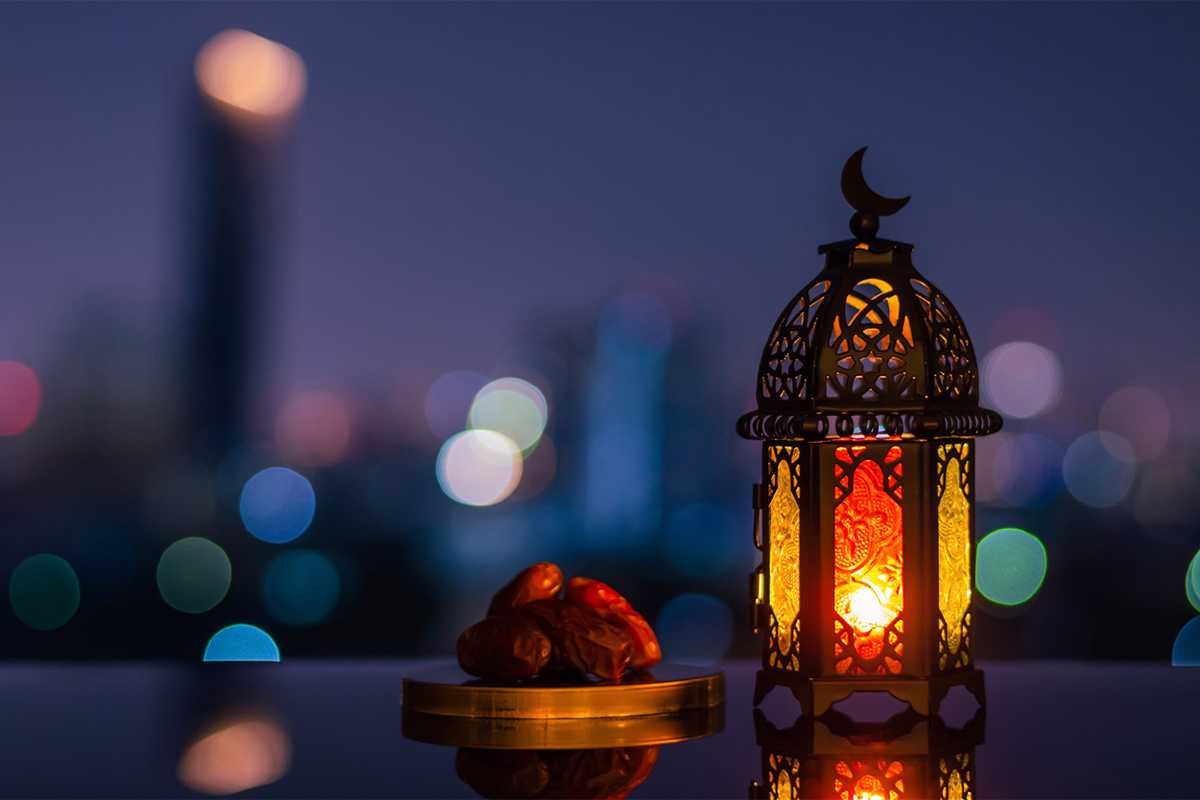
Muslims across the world are gearing up to celebrate Eid-ul-Fitr, which marks the end of the holy month of Ramadan.
Ramadan is the ninth month of the Islamic calendar for fasting and prayer observed by Muslims across the globe.
In a letter to President Cyril Ramaphosa, Mohammed Abdulla pleaded on behalf of all the Muslims for the president to consider a temporary reprieve from the planned power cuts.
“You did so commendably over the Christmas period. This gesture will go far to bring the blessed month of Ramadhaan to a climax and particularly assist in the festive preparations. We will continue to pray for an end to our power crisis, which is creating so much havoc in our beautiful country,” says Abdulla.
President of the Muslim Judicial Council, Shaykh Irafaan Abrahams, also made the same call to the president, arguing that Christians were exempt from load shedding during Christmas and Easter.
Abrahams says the prevalence of load shedding will impede Muslims from experiencing the full extent of the celebrations.
“The effects of power outages during this period will further the ends of dejection especially when people are unable to experience the full extent of their religious holidays.
“In recent days, and rightly so, load shedding was suspended to accommodate South Africans celebrating their respective holy days.
“This in particular the relaxation of the load shedding schedule during the Christmas and Easter periods.”
Government spokesperson Michael Currin says while the issue of load shedding falls in the purvey of Eskom, it remains the top of the agenda for government to bring an end to the crisis.
“When it comes to load shedding, this is a controlled management of the grid so as to effectively manage supply and demand for electricity. As such, we remain highly dependent on a very old fleet prone to breakdowns despite the many efforts made to improve plant performance.
“While Eskom does provide outlooks daily to South Africans, it is not always possible to determine the stability of the grid or prevent load shedding,” says Currin.