
By Lehlohonolo Lehana.
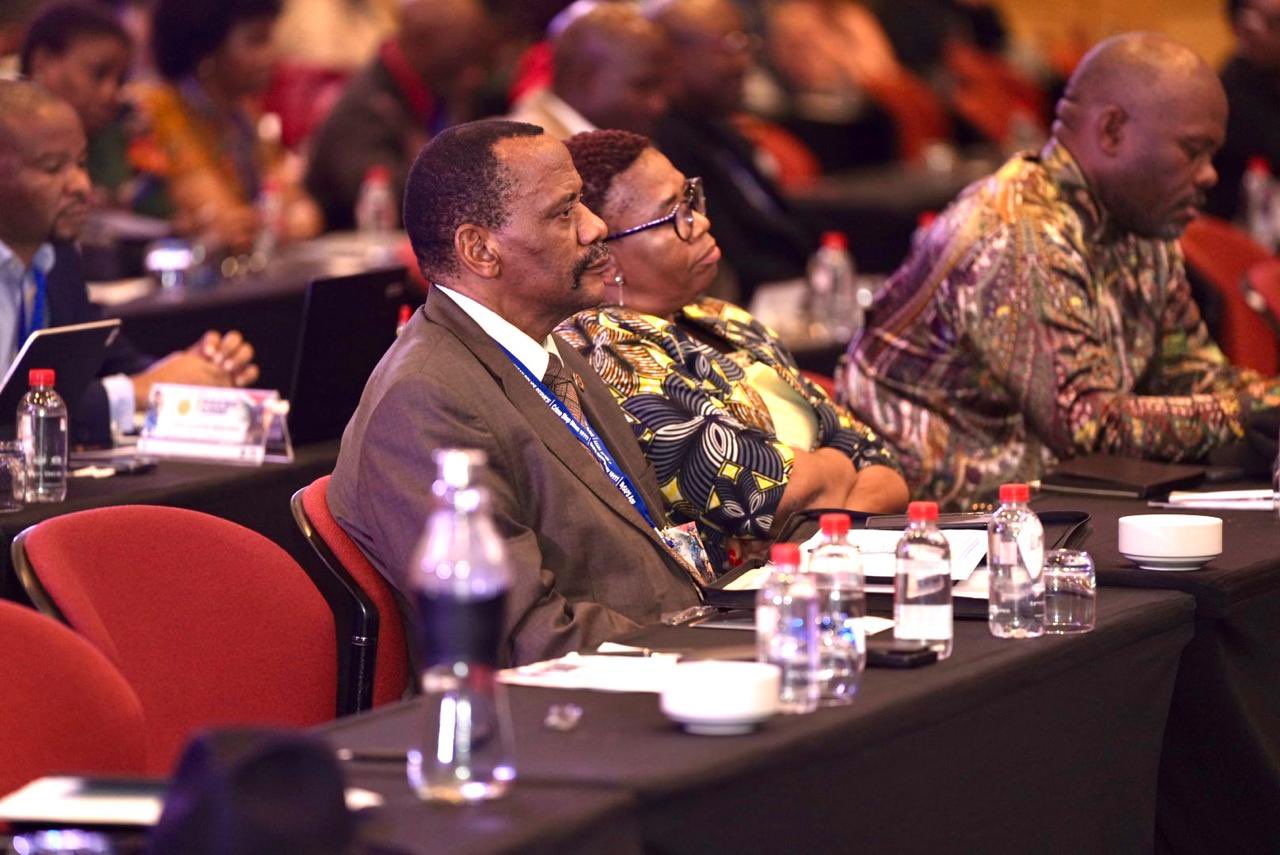
The Inaugural 2025 South African (SA) National Policing Summit took place at the Emperors Palace Convention Centre in the Gauteng province.
The summit was held under the theme “Efficiency in Action: Optimising SAs Policing Potential “.
The Summit was focusing on enhancing the efficiency and effectiveness of SAPS in combating crime to achieve the 2030 National Development Plan (NDP) objective.
Minister of Police Senzo Mchunu gave a briefing on Friday on the outcomes of a three-day police summit.
“Our top priorities are reducing murder, removing unnecessary firearms from communities, removing drugs, fighting gender-based violence and femicide, together with other roleplayers.”
Mchunu emphasised that special focus would be paid to four provinces identified as hotspots, namely, Gauteng, KwaZulu-Natal, Eastern Cape, and Western Cape.
Police could not provide a timeline for when certain initiatives, such as digitising the docket management system and establishing forensic labs in each province, will be actioned.
Meanwhile, National Police Commissioner Fannie Masemola said that the summit engaged with seasoned researchers, academic leaders, the business sector, subject matter experts and community structures. The engagements were focused on how to turn the the tide, recalibrate and reposition the SAPS for the future.
“During the summit deliberations, we assessed the current state and performance of the SAPS, focussed on operational inefficiencies. We identified pragmatic strategies that will improve and advance maximum effectiveness in policing while strategically repositioning the SAPS to ensure long-term relevance, heightened professionalism and the restoration of public trust.
“The SAPS will establish a National Policing Summit Operations Room. This facility will house a permanent scoreboard that will track and trace progress on the resolutions of the summit periodically for the next five years.
“We believe that this significant move will hold the management of the SAPS accountable to the nation, as we commit to turnaround the policing direction of this country,” Masemola explained.
The Commissioner added that the summit’s focus was not on theoretical discussion alone, but rather on diagnosing real operational challenges, understanding community perceptions and analysing systemic shortcomings.
“The summit placed special emphasis on rethinking how SAPS can maximise its impact within existing constraints while repositioning itself for long-term relevance, professionalism, and enhancing public trust in policing.
“The first day of the summit interrogated the difference between being seen and being felt in communities. While the SAPS often reports on patrols and deployments, the quality and impact of these efforts on safety perceptions was central to the conversation.”
Masemola explained that the discussions reflected a disconnect between visible policing efforts and actual community safety outcomes, prompting a call for a more intentional, impact-focused presence.
He also hinted that the Summit touched on technology as a transformative tool in the modernisation of policing.
“Summit discussions addressed real-time crime tracking, GIS [ geographic information system] mapping, AI-driven analytics, and predictive policing. Participants discussed how these technologies can help SAPS anticipate criminal activity and deploy resources more efficiently.”