
By Lehlohonolo Lehana.
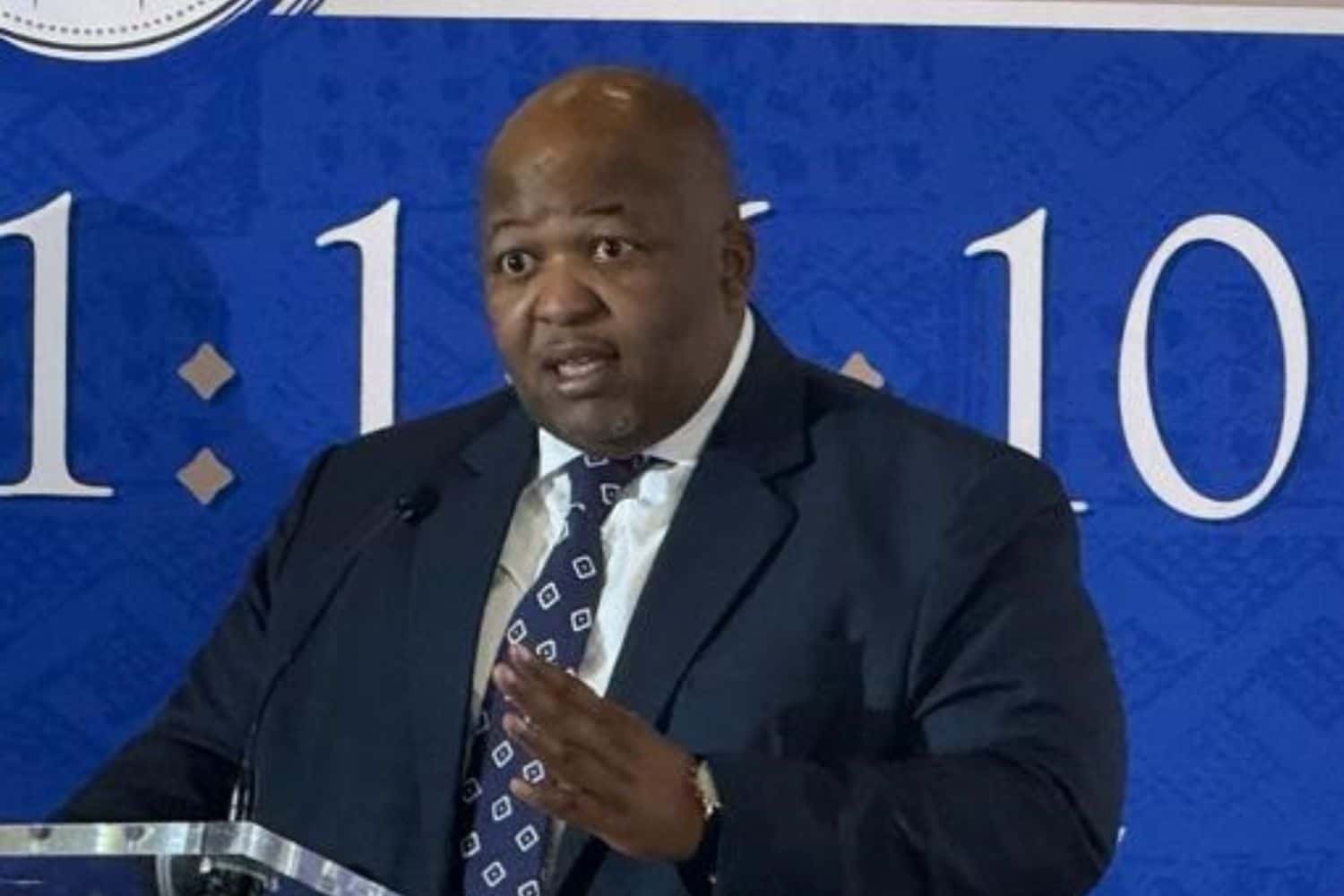
State owned power utility Eskom CEO Dan Marokane has appealed for the power utility to be given “space” to implement its renewable-energy strategy.
Marokane is insisting that it is not designed to “crowd out” private competitors and is in line with the country’s Just Enegy Transition strategy of protecting vulnerable coal workers and communities.
Eskom has issued a tender seeking private partners for a separate ‘Renewable Energy Business’ to accelerate the deployment of renewable-energy solutions, primarily on land surrounding its coal-fired power stations.
The invitation closes on May 7, according to a statement dated April 9 published on Eskom’s website. The creation of a separate unit will help accelerate the rollout of renewable energy, Eskom said in the statement.
“The objective for the new subsidiary will be to operate independently of the main Eskom entity to allow for greater governance agility, competitive market positioning, and enhanced public-private partnerships,” the state-owned company said.
Africa’s most-industrialised economy has relied on state-owned Eskom for the bulk of its electricity supply for more than a century.
Marokane also stressed the utility’s renewables strategy would be pursued in partnership with the private sector.
He dismissed concerns about Eskom’s ability to compete fairly and cost-effectively with IPPs, saying it had already earmarked 2 GW of near-term opportunities to be pursued in partnership with the private sector.
“We will do this with others on our lands, with our people who are skilled and will also leverage the balance sheet of others to de-risk ourselves going forward.
“So we’ve entered an era of partnership, and it’s a space that Eskom has to play in,” he said, adding that it had been studying similar moves by other global utilities that were also moving into renewable energy.
“There is no reason why we should be questioned as to why we should be playing in the space and not giving it to others.
“We have a 42 000-person workforce that needs to be transitioned.
“It’s our responsibility to ensure that when we transition we are actually transitioning our workers for their livelihoods going forth, “Marokane added.
He also argued that Eskom had hitherto not been allowed to participate in the renewables sector, but that its shareholder and board had now cleared a path for it to do so, using a workforce that was capable of doing so and a business model that was agile and competitive.
“I know that this question is sometimes being asked because we are being seen like we’re crowding out the private sector.
Eskom is a State-owned entity and it needs to focus on the requirements of everyone in the country, and we bring along this part of our business to ensure that, in our provision of electricity to South Africans of all walks of life and affordability, nobody’s left behind.”
Eskom produces most of its power from coal-fired facilities and its plan to shift to cleaner sources of power has hit multiple delays, from grid constraints to court battles that slowed a program to build renewable plants.