
By Lehlohonolo Lehana.
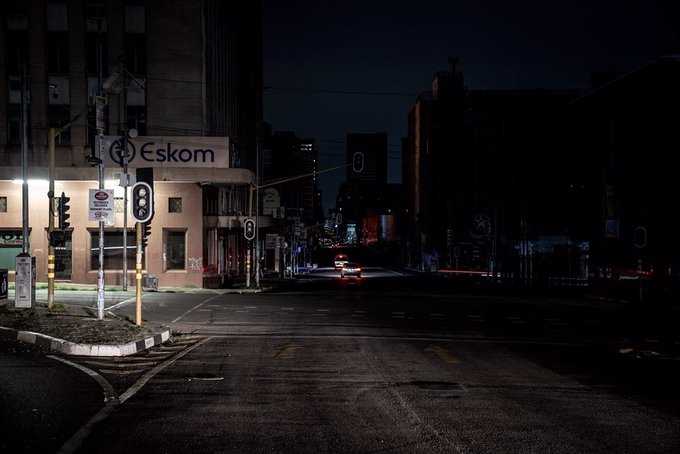
Load shedding will escalate this week after Eskom suffered delays in bringing generating units back online, state owned power utility said.
However, Stage 3 will continue until 05:00 on Tuesday.
It will then increase to Stage 4 until 16:00 on Tuesday, and then Stage 6 from 16:00 on Tuesday until 05:00 on Wednesday, Eskom said.
Thereafter, the group said various load shedding stages will be implemented.
Breakdowns are currently at 17,920MW of generating capacity, while the generating capacity out of service for planned maintenance is 3,412MW.
The delays in returning a unit to service at Arnot, Camden, Duvha, Kendal, Kriel, Lethabo, Matimba, Matla and Tutuka power stations contributed to the current capacity constraints.
Eskom said that its teams are working around the clock to ensure that generating units are returned to service as soon as possible.
For access to other load shedding schedules, Eskom has made them available on loadshedding.eskom.co.za.
Smartphone users can also download the app EskomSePush to receive push notifications when load shedding is implemented, as well as the times the area you are in will be off.
Over the past 15 years, South Africa has been experiencing a gradually worsening number of electricity cuts, and stage 8 load shedding is more than likely for the winter months ahead.
This state of affairs has prompted frustration among citizens, negative international economic sentiment and financial hardship for many businesses.
Public pressure has grown more intense, leading to the extraordinary presidential decision by President Cyril Ramaphosa to proclaim a state of disaster for a short period and to appoint a Minister of Electricity.
The year 2022 was marked by the worst power outages in the country’s history. Electricity generation deficits reached up to 6 GW on occasion, necessitating up to 10 hours of rolling electricity blackouts.
High outages have persisted through the warmer early months of 2023, and since early January, the country has experienced power cuts every day.
It’s widely expected to get worse as electricity consumption peaks in the southern winter months of June and July. And there’s a growing fear that the national electricity grid could, at some point, collapse entirely. This would lead to blackouts lasting many days or even weeks.
Based on an analysis of trends and recent events in the power sector, there are several factors that would lead to power outages reaching critical proportions this winter. As South Africa’s new Electricity Minister has warned, the winter of 2023 is going to be challenging.