
By Lehlohonolo Lehana.
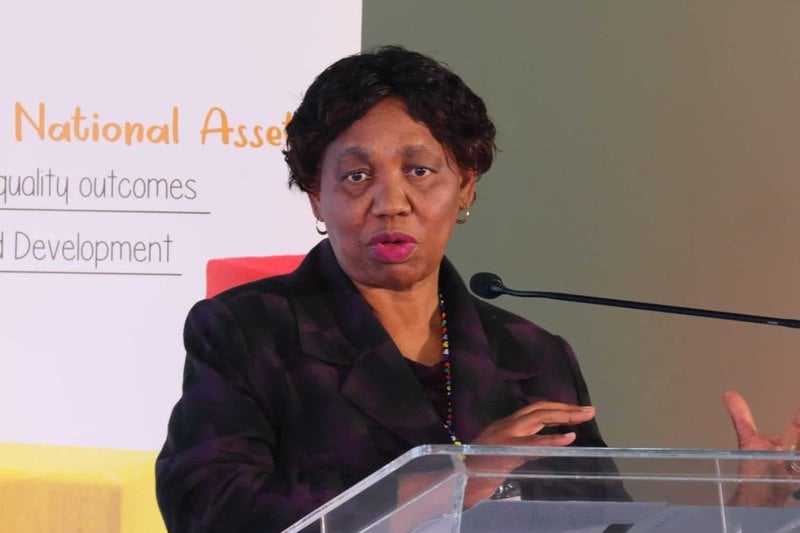
Department of Basic Education (DBE) Minister Angie Motshekga says her department is hard at work to recover from learning losses – or losses in schooling hours – as a result of the COVID-19 pandemic.
Motshekga said the pandemic had a huge impact on the reading literacy levels of learners in South Africa.
The Minister was briefing the media on Sunday following the release last month of the Progress in International Reading Literacy Study (PIRLS) in which South African learners came last in a reading ability study which included 50 countries.
The study revealed local pupils achieved an average score of 288, well below the international average of 500.
“Over the past month there has been a debate about reading in schools. The ongoing public discourse on reading intensified when the results of the PIRLS were released. The report confirmed that South Africa, like virtually all countries, saw lower primary reading competencies declining due the pandemic related to school disruptions.
“The magnitude of our decline relating to the pandemic does not come as a surprise. South Africa was amongst the countries most actively gauging impacts on learning outcomes during the pandemic and the results we see now in PIRLS are in line with the earlier findings that we did say as the department,” she said.
Motshekga acknowledged that the department plays a big role in the development of learners but she also encouraged families to breed a culture of reading at home.
“More than anything, for us what is important about PIRLS and the reading is that we have to recognise that learning does not start at Grade R. It starts at zero. There are steps that the department can take but it is also what parents can do. That is why we have been going on roadshows to make sure that all of us as villagers can identify our role in ensuring that our children are ready for school and when they are in school they can sustain whatever is being taught.
“Whilst as a department we play a very important role in supporting early learning skills and teaching children how to read, the entire ecosystem must also be involved. Schools do play a very important role in providing material especially for families who rely solely on them.
“We also had the release of the reading barometer and one of the things they were raising…is that you can buy children sweets and cakes and they will enjoy them for the moment. We can buy them toys, they are likely to outgrow them or they break. But if you have buy them books, you are giving them a life. [We are trying] to mobilise young parents to say if it is [your child’s] birthday, buy them books. Don’t buy them toys only, “Motshekga said.
She said the department will also support teachers through a better and expanded repertoire of instructional methods.
The department had also focused on skilling and upskilling department heads to be able to support teachers in schools.
“We continue to interface with communities with parents through the learn to read campaign. We use that campaign to get South Africans to rally behind the department in ensuring that reading and literacy is not only a matter and issue of schools but communities at large come along on this journey.”