
By Lehlohonolo Lehana.
@APPhoto.
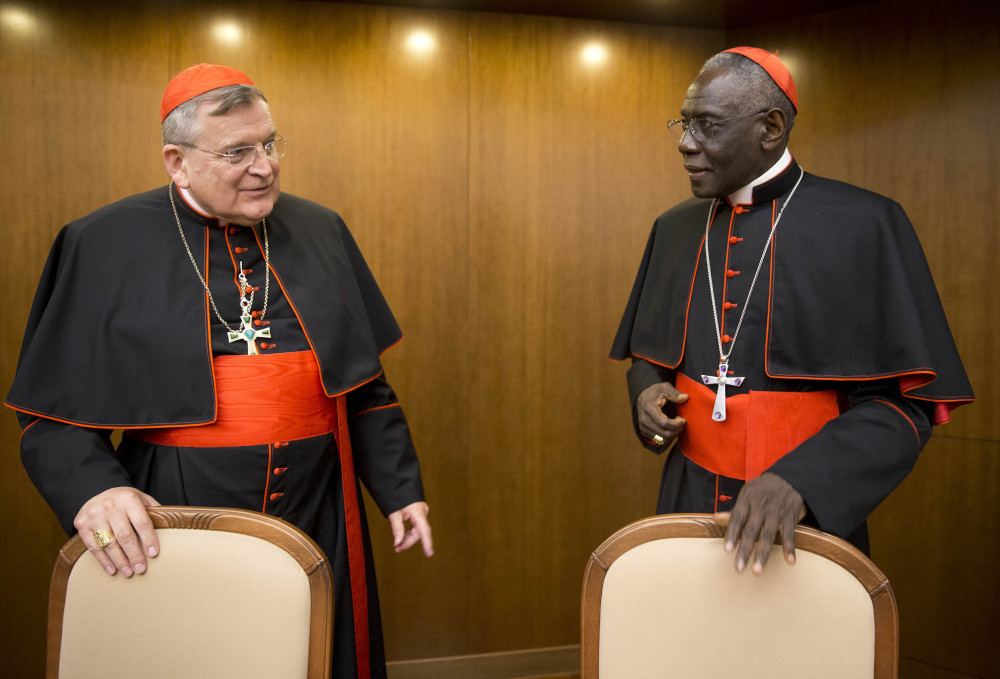
The College of Cardinals will convene in a closed-door conclave at the Sistine Chapel in Vatican City on 7 May to elect the next Pope.
A conclave is the assembly of cardinals that elects a pope. The word itself comes from the Latin “com” and “clavis,” meaning “together” and “key,” respectively – highlighting the absolute, behind-closed-doors secrecy with which the cardinals conduct their discussions and balloting.
The date was selected during a closed-door meeting of the College of Cardinals and announced at a media briefing at the Vatican.
The death of Pope Francis sets the stage for a battle over the future of the Catholic Church. The cardinals who will gather to elect the next pope must decide whether to continue the late pontiff’s vision of reforming the church to make it more open to the modern world — or to initiate a course correction.
To participate in the conclave, a cardinal must be under the age of 80. There are 135 eligible cardinal electors, 80% of whom were elevated by Pope Francis.
Although the dean of the College of Cardinals, Cardinal Giovanni Battista Re, has advised cardinals against speaking to the press, several cardinals have not been shy in expressing their wishes on a future pope.
German Cardinal Reinhard Marx, 71, told the Italian daily Corriere della Sera on April 27 that “everything is open” in the coming conclave and that the next pope will not be predetermined by country, language or culture.
“The essential thing is that he be a person who is courageous, free, credible and deeply rooted in the Gospel,” said Marx.
The ideal papal candidate is between 60 and 70 years old, with the ideal time in office considered to be from 10 to 12 years. If too young a pope is elected, he could end up overseeing and influencing church doctrine for decades, since only death or resignation would end their time in the office. Conversely, if too old a candidate is elected they may have little time to make an impact.
John Paul II, at 58, was young when elected and Francis, at 76, was considered old.
According to rules set by Benedict, if a new pope is not chosen after 13 days, there will be a day of prayer and reflection. Then the election will be between the top two candidates, one of whom must receive a two-thirds majority.