
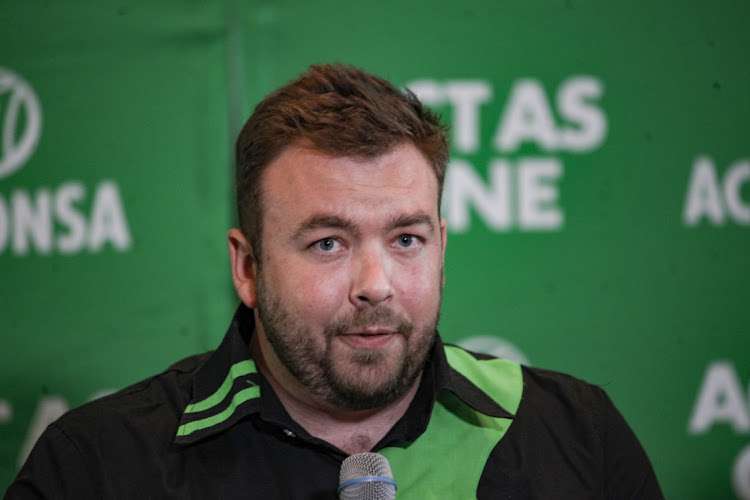
By Lehlohonolo Lehana.
ActionSA has filed a PAIA application to access Independent Police Investigative Directorate (IPID) “top secret” report on the 2020 Phala Phala theft.
IPID investigated the conduct of VIP officers assigned to President Cyril Ramaphosa, who are believed to have set off on a wild goose chase to Namibia to track down the US dollars stolen from the president’s Limpopo farm in 2020.
Minister of Police, Senzo Mchunu’s said the report into the Phala Phala saga has been declared top secret and won’t be made public.
Mchunu said in a written reply to a parliamentary question by African Transformation Movement (ATM) leader Vuyo Zungula.
Mchunu added that IPID was satisfied with SAPS’s response, but the report was classified as “top secret” under Paragraph 3.4.4 of the Minimum Information Security Standards, meaning it cannot be disclosed unless formally declassified
Although the Public Protector’s and the South African Reserve Bank’s reports on Phala Phala are publicly accessible, Mchunu did not explain why the report has been classified as “top secret” and will not be made public.
ActionSA believes that invoking the Promotion of Access to Information Act could enable IPID’s disclosure of the guarded report on the Phala Phala scandal.
The party’s chair Michael Beaumont says there is now a legal and constitutional basis to justify classifying the report as top secret.
“Section 3(4)(4) of the minimum information security standards cabinet policy is explicit that only matters meeting the following criteria may be classified as top secret: 1. can result in the declaration of war; 2. can lead to the discontinuation of diplomatic relations between states; 3. can seriously damage operational relations between institutions; 4. can disrupt the effective execution of information operational planning and/or plans.”
Ramaphosa survived the so-called “farmgate” scandal and was re-elected as president, albeit after being forced to form a coalition, while the criminal investigations were still ongoing.
In 2022, his African National Congress (ANC) used its majority to block an impeachment motion against him over the scandal.
Arthur Fraser, who headed the state security agency between 2016 and 2018, claimed that Ramaphosa hid the farm theft from police and tax authorities and instead organised the kidnapping and questioning of the robbers in an attempt to silence them.
The president was also accused of money laundering, tax evasion and breaching foreign currency laws over the cash, which was in US dollars.
Ramaphosa acknowledged the burglary but denied the criminal allegations, saying he had reported the break-in to the police.
He has also disputed the amount of money involved and said it came from legitimate sales of game from his animal-breeding farm.
The highly publicised burglary threw Ramaphosa’s government into turmoil ahead of a crucial party leadership vote.
But an investigation into the matter has found insufficient evidence of corruption and money laundering, the National Prosecuting Authority (NPA) said.