
By Lehlohonolo Lehana.
The Constitutional Court (ConCourt) has found that the Administrative Adjudication of Road Traffic Offences Act (Aarto) is constitutional.
Concourt delivered its judgment on Wednesday, dismissing Organisation Undoing Tax Abuse’s (OUTA) application.
OUTA has challenged the introduction of a new strict demerit system for traffic infringements. This follows last year’s High Court ruling which declared parts of the legislation unconstitutional.
However, then Transport Minister, Fikile Mbalula lodged an appeal with the ConCourt.
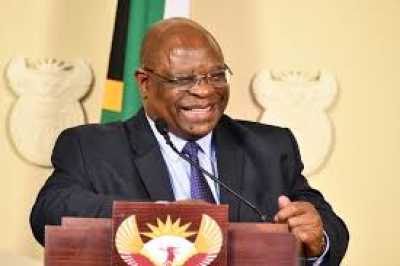
In a unanimous decision delivered by Chief Justice Raymond Zondo, the justices agreed that Aarto and the way notices would be served to alleged offenders was not inconsistent with the Constitution. The court also concluded that Parliament had the competence to pass the Act.
“It cannot be said that Parliament had no power to make this law,” Zondo said while delivering the judgment.
He added that the court had rejected Outa’s contention that Aarto removed certain powers from municipalities and gave them to other state organs.
AARTO is the legislation that provides for the penalising of drivers and operators of motor vehicles guilty of traffic or road infringements through a system of demerit points which may lead to the suspension and ultimately the cancellation of driving licences.
Outa believes the act infringes on the rights of drivers and owners of vehicles as it deems fines “delivered” if sent by post or e-mailed. In addition, 50% of the fines and admin fee will go to the RTIA, resulting in municipalities losing half the revenue generated by fines.
They argued that instead of traffic regulations being governed nationally, they should vest with provincial and municipal authorities as the act would overrule some municipal bylaws.
OUTA CEO Wayne Duvenage said that they were more concerned about the implementation of the act, but that the government does not seem to consider external input.
“We had workshops with stakeholders and invited the Road Traffic Infringement Agency and they just refused to come. As for the ruling, we can agree to disagree. We respect the ruling, but we might not have got the argument across. We tried to prevent a disaster … We are not aggrieved by this judgment. Go ahead and let’s see what happens,” he said.