
By Lehlohonolo Lehana.
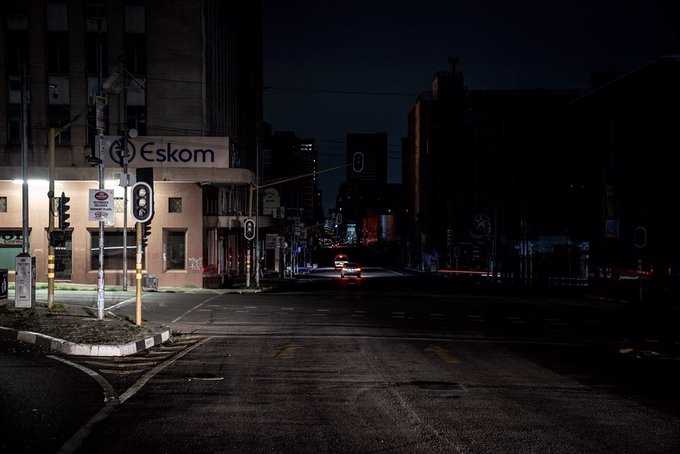
Power utility Eskom has again suspended daytime load shedding owing to a reduction in weekend demand and adequate emergency generation reserves, it said on Sunday.
It had previously said load shedding would be at Stage 1 on Sunday during the day.
Eskom said that it will publish another update later today with further details on the week’s load shedding plans.
The power utility has been able to suspend load shedding twice this weekend, with the power utility implementing no load shedding from 12:50 until 16:00 on Saturday afternoon.
The power utility has had a few triumphs over the last couple of weeks, with its plan to erect three temporary stacks at Kusile ahead of schedule.
The initial plan was to have one unit back online by the end of November 2023, while the remaining two units would come back up in December.
However, the group said that it could have at least two units up by mid-November, with the final one coming online in December.
Although the utility has not entirely committed to these dates, it remains the plan to add the 2,880 MW – roughly three stages of load shedding – from the Kusile units back to the grid before the end of 2023.
Eskom added Koeberg, could add another 900 MW in November following its refurbishment, which could save South Africa from another stage of load shedding.
Meanwhile Eskom is working on an investigation into whistleblowers of an irregularly awarded R500 million security, which Eskom insiders say is an attempt to shift blame from executives who awarded the contract.
Allegations emerged that a R500 million emergency tender was irregularly awarded to Fidelity Services Group last year to protect power stations.
In July last year, Eskom’s head of security Karen Pillay – with support from then CEO Andre de Ruyter and COO Jan Oberholzer – gave the massive contract to Fidelity following a private investigation into corruption at Eskom.
The issue, however, is that no other companies were invited to submit bids, raising red flags over the procurement process.
There have also been concerns over a request from Pillay to then CFO and now acting CEO Calib Cassim to deviate from the company’s payment policy by fast-tracking invoices to Fidelity amounting to over R250 million.
This amount was paid between seven and 14 days, but Eskom’s payment policy states that a contract worth over R100 million or more will only be paid after 60 days.
Pillay argued that the financial burden on Fidelity to provide resources and equipment at short notice required Eskom to outlay large amounts of funds that were sourced from a short-term loan agreement.
Pillay was placed on precautionary suspension in June this year while the tender process is fully investigated. Oberholzer also resigned as director of operations after Cassim was pressured to remove him due to his involvement in the tender and his close relationship with the acting CEO
Eskom is also launching a full-scale investigation to find the whistleblowers who revealed information about the security tender.
The power utility has looked for a forensic audit firm to:
“Conduct a forensic investigation into the allegations against the senior manager, which arose from a preliminary investigation performed by the general manager of security [Pillay].”
Eskom insiders said that the investigation into whistleblowers was simply a way for executives to deflect attention from the Special Investigating Unit’s (SIU’s) investigation into allegations of wrongdoing by them.