
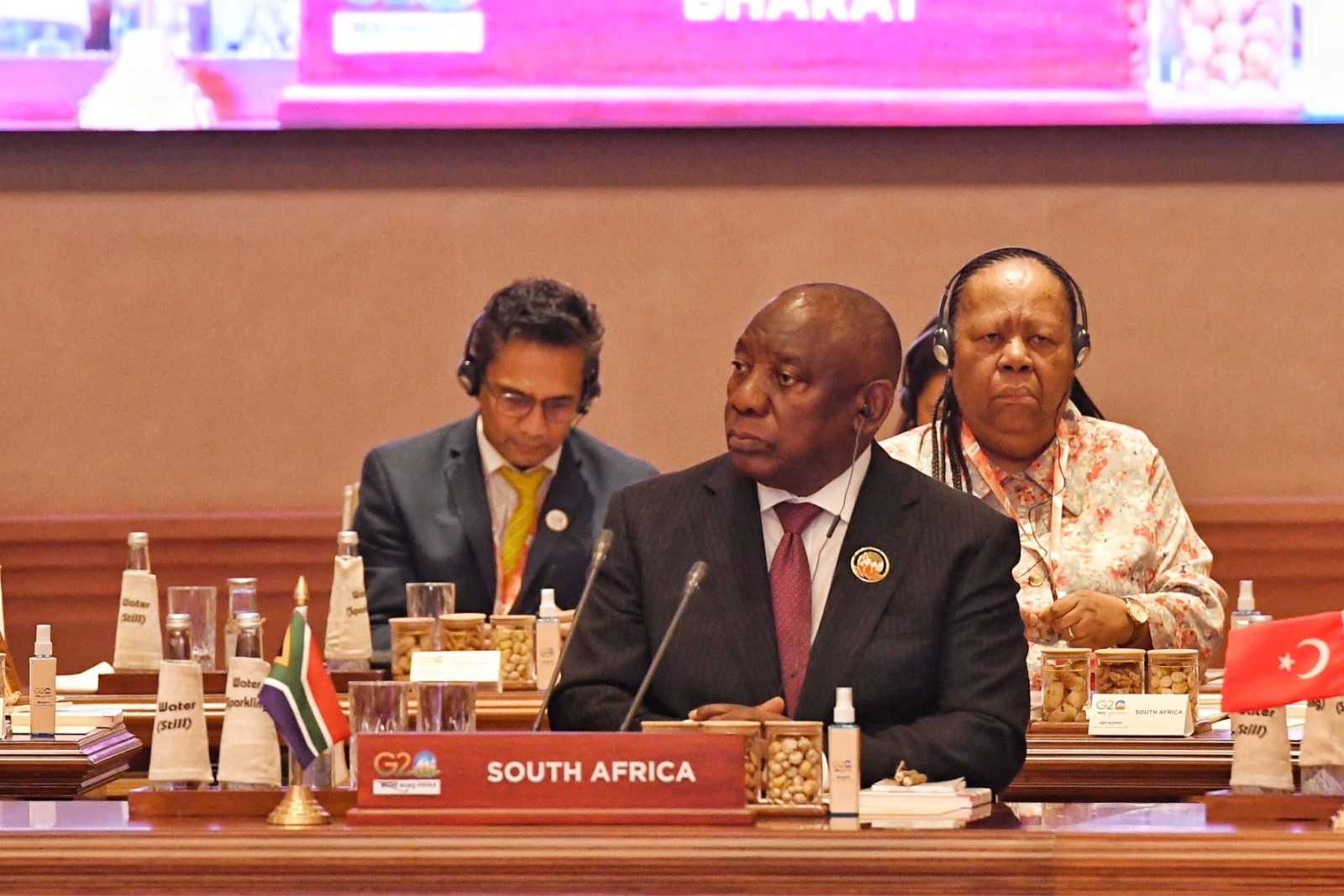
By Lehlohonolo Lehana.
President Cyril Ramaphosa says global reconstruction in the wake of Covid-19 presented an opportunity to accelerate the transition to low carbon, climate resilient and sustainable society.
In his address to a plenary session, He said developing economies were bearing the brunt of climate change, despite “carrying the least responsibility for this crisis” and needed to meet their climate commitments “in the midst of significant developmental challenges like poverty, inequality and unemployment.”
South Africa believed climate change, sustainable consumption and production and other challenges could only be addressed collectively and “with a great deal of solidarity” and that the global partnership for sustainable development be “enhanced and expanded.”
This needed to be supported by concrete policies – and access to adequate and predictable funds from private and public sources – if the United Nations sustainable development goals were to be met.
Ramaphosa called for greater investment from the big economies.
Development partners need to both meet their existing commitments and upscale official development assistance. Ordinary people see billions of dollars being spent on the weapons of war instead of addressing development challenges, “he said.
“In particular, development partners need to meet their commitments to capacity building and infrastructure development in low- and middle-income countries. No country is spared the effects of climate change. It is therefore vital that we respond collectively, decisively and with urgency to this existential crisis.”
It was vital that industrialised countries, which had the means and were the greatest contributors to climate change, support sustainable development in developing economies.
The summit has adopted a declaration by participating states to “concrete actions to address global challenges” and acknowledging that “the decisions we make now will determine the future of our people and our planet.”
It commits to a series of actions aimed at fully implementing the 2030 Agenda for Sustainable Development by providing resources and building the capacity of existing development funding forums.
It also commits to pursue low greenhouse gas and carbon emissions and climate resilient and environmentally sustainable development pathways, and to “urgently accelerate our actions to address development and climate challenges”.
On the war in Ukraine, the summit reiterated the G20’s earlier position and resolutions that all countries should abide by the UN Charter and “must refrain from the threat or use of force to seek territorial acquisition against the territorial integrity and sovereignty or political independence of any state.”
While there were “differing views and assessments of the situation,” it called for the immediate reinstatement of the Black Sea grain deal and for a peaceful resolution to the conflict.
The AU formally joined the G20 following months of heightened speculation that the continental body will be part of the group.
It follows on the announcement by India PM Narenda Modi on the sidelines of the Brazil, Russia, India, China, South Africa (BRICS) summit in Johannesburg last month that he would be using his term as G20 chairperson to work for the admission of the AU to the bloc.