
By Lehlohonolo Lehana.
Nuclear energy for electricity production is very much still on the cards for South Africa under the integrated Resources Plan which envisions 2500MW to be generated with this energy source.
Thyspyunt, in the Kouga Municipality, is one of the possible locations for a nuclear power generating facility and this will be in the spotlight at a Nuclear Technology Expo in Jeffrey’s Bay.
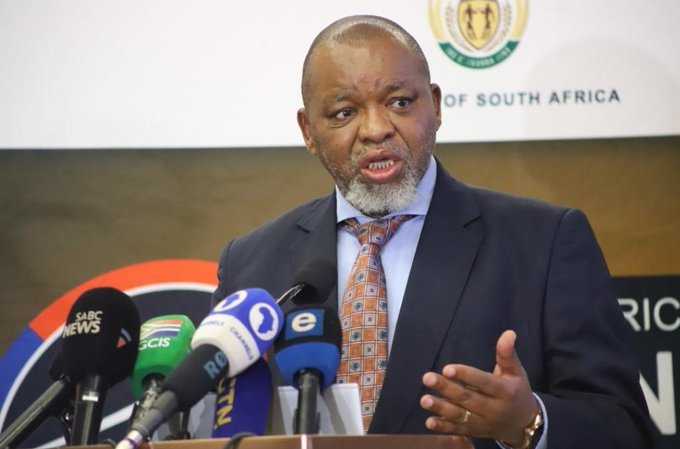
The Minister of Mineral Resources and Energy (DMRE), Gwede Mantashe, delivered the keynote address at the Expo.
The Expo aimed to empower communities, especially the youth, with information on the developments regarding the implementation of 2500MW of Nuclear Energy as envisioned in the Integrated Resources Plan (IRP2019).
Delegates at the Expo addressed amongst others; development of local capacity to invent and enhance relevant technologies; investment levels required for localisation and sources of funding; and development of terms to ensure incorporation of South African manufacturers into global supply chains, especially around nuclear power and renewable energy.
In April 2023, the DMRE publicly criticised a major new draft report from the Presidential Climate Commission (PCC) on South Africa’s electricity future. The DMRE stated that the report was “highly questionable” because “there is not sufficient funding allocated for nuclear energy”.
Nuclear energy, it claimed, was a “reliable” source of energy because “nuclear power plants can operate continuously for long periods” while having the added advantage of being “a zero-emission clean energy source”.
So outraged was the DMRE by the alleged lack of support for nuclear power that it demanded the PCC’s report “be amended before it is published”.
This very public push by the DMRE for nuclear power must be seen within the context of an ongoing public relations campaign currently being waged in South Africa by supporters of nuclear power.
In recent months, numerous opinion pieces and social media posts have suggested that nuclear power is the solution to South Africa’s ongoing energy and climate challenges. These opinion pieces and social media posts are punting traditional large-scale nuclear power stations (NPS) like Koeberg, small modular reactors (despite none yet being commercially viable) or even floating NPS (despite there being only one in existence) as viable options for South Africa.
While much of this new-found confidence from the nuclear industry in touting its alleged solutions in South Africa comes from the urgent need to address our deepening electricity crisis, this confidence also comes from the European Union’s highly controversial decision (49% of EU lawmakers opposed the move) last year to declare nuclear power as a “green energy” source under its so-called “taxonomy” rulebook – a decision which has since prompted the British government to begin the process of classifying nuclear power as “environmentally sustainable”.
But is nuclear power “reliable” and “green” as its proponents suggest?
The advocates of nuclear power regularly claim that it is the most reliable form of electricity generation because it supplies stable baseload power (the ability of a power plant to continually provide the minimum amount of power demanded by ongoing industrial processes like smelting, or domestic appliances like fridges). This argument in favour of baseload power is one which is repeatedly made by Mantashe, and now by the new Minister of Electricity, Kgosientsho Ramokgopa.
The problem with the argument is that the very concept of baseload power is hopelessly outdated. Simply put, there is no longer any need for large-scale, highly centralised and “always on” power stations like NPS.
Watch Live in the video below:
Video Courtesy of SABC.