
By Lehlohonolo Lehana.
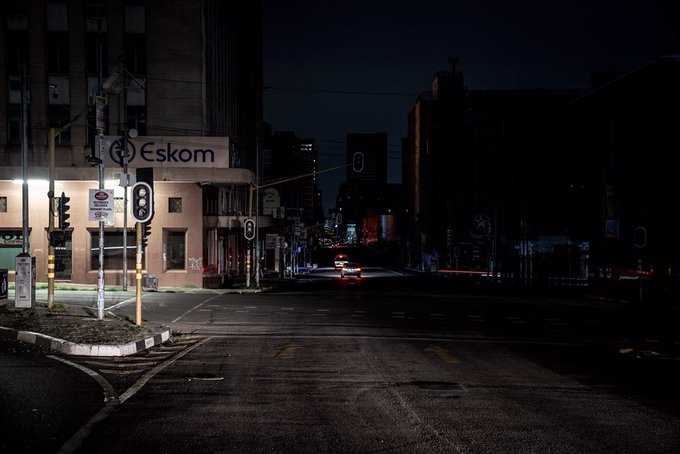
Load shedding will be reduced to Stages 2 and 4 over the weekend, Eskom said in a statement on Friday afternoon.
Currently, the plan is for stage 4 load shedding to remain in effect until 05h00 on Saturday.
Stage 2 load shedding will then be implemented from 05h00 on Saturday until 16h00, followed by stage 4 until 05h00 on Sunday. This pattern will be repeated on Sunday.
The de-escalation of load shedding continues after the group downgraded to stage 5 in the early hours of Friday morning – but it follows a week full of stage 6 load shedding.
The higher stages of load shedding hit this week due to colder weather pushing up demand, further breakdowns in generation, delays in returning units back to the grid, and Eskom upping its planned maintenance.
During a meeting on Wednesday, the Cabinet was assured that elevated stages of load-shedding are a temporary measure that will have long-term benefits for the country, with ministers now making a slogan of “short-term pain, for long term gain”.
Load shedding has been implemented in South Africa since 2007, and permanent load shedding has been in effect for more than a full year.
While Eskom appears to be in the clear for now, load shedding remains elevated, and the group’s latest system update paints a worrying picture for the year ahead.
For access to other load shedding schedules, Eskom has made them available on loadshedding.eskom.co.za.
Smartphone users can also download the app EskomSePush to receive push notifications when load shedding is implemented, as well as the times the area you are in will be off.
Meanwhile Presidency’s spokesperson Vincent Magwenya has responded to the United Democratic Movement (UDM) and other applicants abandoning their load shedding court case.
The UDM and its co-applicants, which included the National Union of Metalworkers of South Africa (Numsa) and Build One South Africa, had taken government to court on an urgent basis, on an issue that required government to coordinate numerous department responses in relation to the “very complex matter” of load shedding.
“This legal challenge questions the lawfulness and constitutionality of the Just Energy Transition Investment Plan,” said Magwenya.
He was speaking on Thursday during a regular press briefing with media houses to update them on the President’s diary.
Magwenya said the process to coordinate government’s response required government to “spend a great deal of energy, time and money to respond in detail, as it always does on any matter before the courts”.
“This process has cost taxpayers money and to some extent taken attention away from the urgent related issues to which government has to attend operationally.”
He said the UDM, Building One SA, Numsa and others made government spend public funds and time on this gathering of information before suddenly withdrawing the application.
Government, according to Magwenya, always approaches such matters with a view that it is not only responding to the applicants, but it is responding to the public, while attending to the underlying issues in the normal course of the administration.
“Therefore, for all these applicants to take up time and taxpayers’ money to then simply walk away because they finally appreciated the detailed substantive and indisputable response submitted by government is in fact an insult to both the court and the South African public.
“In particular, the UDM is well represented in Parliament where government continuously accounts to elected representatives of the people in work in progress and challenges faced,” he said.