
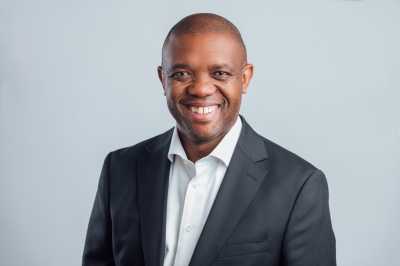
By Lehlohonolo Lehana.
The new political party, RISE Mzansi, is hard at work this weekend, trying to shape its policies and affirm its brand as parties prepare to attract voters ahead of next year’s general elections.
The party is on day two of its national policy convention at Constitution Hill in Johannesburg, which kicked off on Friday, 6 October.
For three days, at least 600 delegates from all walks of life converged to help develop the party’s manifesto in the run-up to the highly anticipated elections.
Rise Mzansi’s civic alliances coordinator, Irfaan Mangera said, their involvement in society is crucial to achieving better governance.
“For us, we remain resolute and clear: our pact is not about flying to any moon, nor will we compromise on political alliances before building an alliance with the societies we come from, first. Our pact is with our people.”
Mangera made the opening remarks during day two of the convention on Saturday.
At a press conference on Wednesday, 27 September, presidential hopeful Songezo Zibi painted the event as a festival of solution, meant to turn South Africa’s current political culture on its head and place power back in the hands of the people.
Rise Mzansi emerged as a political party at an official launch in April 2023. At the launch, the party vowed to free South Africa from “the clutches of a political establishment that no longer has any solutions or plans for the country and its 60 million people”.
Zibi said: “That is part of the reason we are doing this in this way and asking South Africans what they need [from the government].”
He said the policy discussions at the convention will be centred on six themes which reflect the concepts of well-being and happiness that are central to the party’s politics.
The themes include family in all its forms – and all things that threaten the healthy functioning of the family unit – and community, which extends beyond tackling crime to address road transport safety, public facilities, green parks and spaces, community centres, sports facilities and other infrastructure that makes a community cohesive and liveable.
The party comes onto the political stage at a time when South African voters are searching for new political homes. For close on three decades, the country’s political stage has been dominated by the African National Congress (ANC) and the Democratic Alliance (DA).