
By Lehlohonolo Lehana.
Rise Mzansi has collected its certificate of registration as a political party with the Independent Electoral Commission (IEC), few days after their three-day People’s Convention at Constitution Hill, which was attended by 600 delegates from across the country.
The party’s National Deputy Chairperson Cilna Steyn said Rise Mzansi will continue to distinguish itself from the “tried, tested, and tired political establishment” in the runup to the polls.
“The mission we are on is not for ourselves, as many of us have walked away from high-paying corporate jobs and the security of a salary because what are doing cannot be done by standing on the sidelines or merely using our thumbs as a form of activism.”
“It is a sacrifice bigger than our personal needs, but rather, it is about the needs of all 60 million South Africans, who have not received the dividends of the country’s hard-earned democracy,” she said.
Rise Mzansi, which defines itself as a “people-driven alternative”, was founded in April.
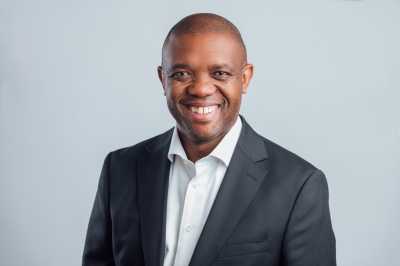
The party is led by Songezo Zibi, who is an author and former editor of two of South Africa’s big publications, Business Day and the Financial Mail.
Zibi in his closing remarks on the final day of the Rise Mzansi People’s Convention said, he believed the country was divided “between those who want to fight for what they believe in and those who want to wait a little longer even as people suffer”.
“We are looking for those who are sick and tired of being sick and tired. We are looking for the brave. We are looking for warriors.”
The fight is on, and it shall not stop until we get what we deserve. This fight will not end until those who came before us stop turning in their graves because the future looks bright,” Zibi said.
Zibi added that Rise Mzansi’s mission was to “build the South Africa we deserve in one generation”.
The party comes onto the political stage at a time when South African voters are searching for new political homes. For close on three decades, the country’s political stage has been dominated by the African National Congress (ANC) and the Democratic Alliance (DA).