
By Lehlohonolo Lehana.
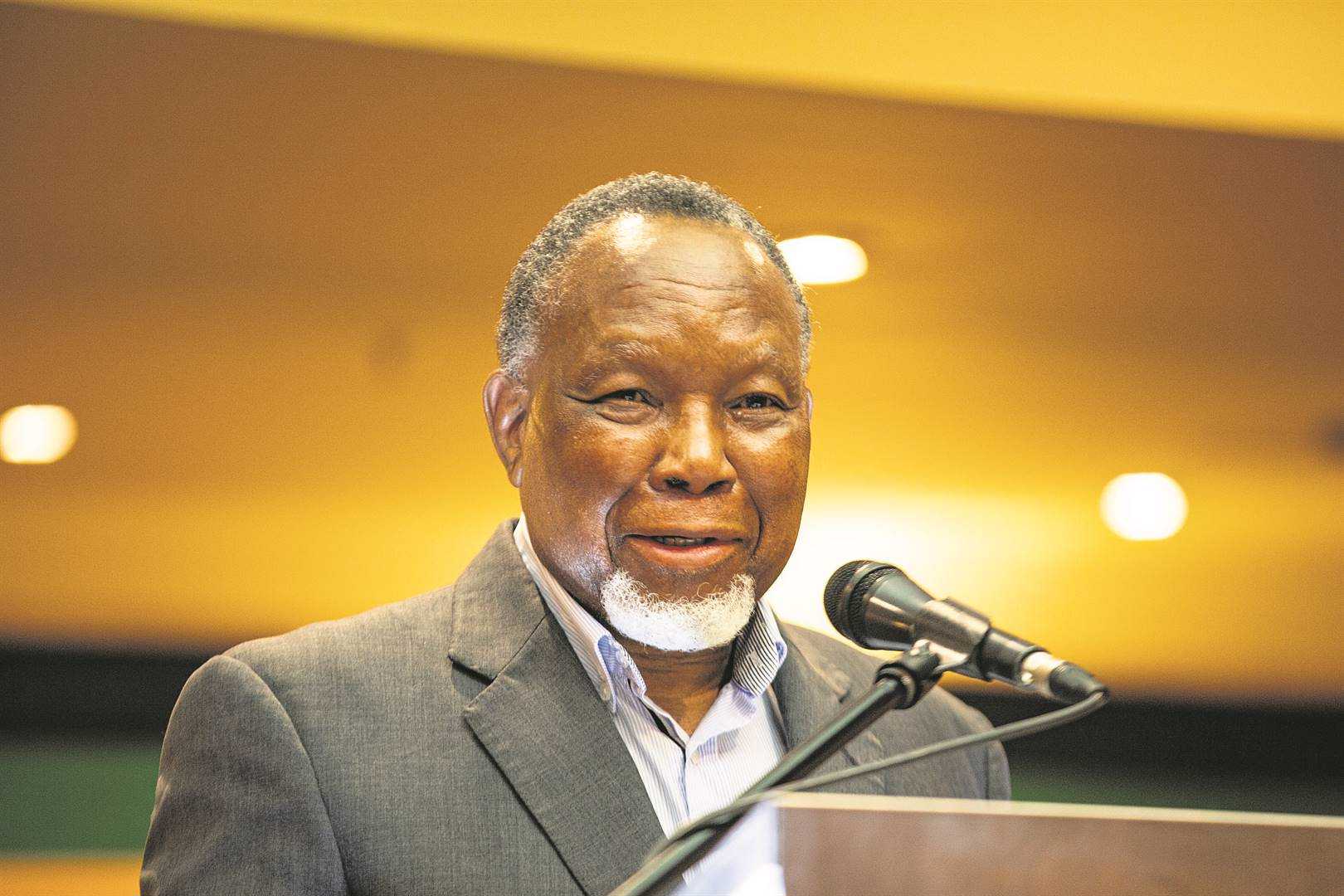
Former President Kgalema Motlanthe has expressed concern over the poor state of the municipalities around the country.
Motlanthe delivered a keynote address at his foundation’s Annual Drakensberg Inclusive Growth Forum on Friday.
If we had to examine that data provided by the Minister in the Presidency for planning, monitoring and evaluation, it reveals that almost 90 percent of the 257 municipalities are in trouble with 163 of them currently distressed and 66 totally dysfunctional.
Motlanthe also highlighted how the Auditor-General’s municipal audit report found that only 38 out of the 257 municipalities, and only two out of the eight metros, achieved clean audits in the 2021/2022 financial year.
Municipalities are experiencing dire skills shortages in finance, IT, and technical departments which are in charge of infrastructure projects. Vacancies and instability in key positions such as those of municipal managers and chief financial officers are contributing to the limited improvement in audit outcomes and delays in dealing with material irregularities and other transgressions.
They have resorted to outsourcing key functions to consultants at a very high cost. Skills shortages result in poor financial management, projects taking longer than planned to be completed, ballooning project costs, and delayed and poor services to the rates and taxpayers, among other things.
“Many of these municipalities failed to fully spend their infrastructure grants, therefore, in the spirit of finding solutions to weaknesses and problems in local government and the economy,” Motlanthe said.
Meanwhile Finance Minister Enoch Godongwana has warned of tough decisions come the medium-term budget policy statement on Wednesday, adding that there is a risk that the government will run out of money if no action is taken.
Godongwana was guest speaker at the Motlanthe Foundation annual Drakensberg inclusive growth forum.
The finance minister, as well as the National Treasury, have noted recently that pressure on household spending, business investment, export revenues and the cost of imports have all resulted in weaker-than-expected tax income. As a result, both the Minister and Treasury targeted government spending to taper off the widening budget deficit.
Godongwana said in addition to localised problems, the Lady R scandal had also affected the economy as “everybody became scared that we’re likely to have secondary sanctions.”
“Markets tightened, and even on the borrowing side … there’s less revenue. “that is my pain,” said Godongwana. He said this had happened while spending was growing. The Treasury would have to find a balance, he said.
The National Treasury, therefore, recently proposed drastic steps to rein in spending as the government has run out of money and faces a debt trap – including a freeze on new public service jobs, stopping procurement contracts for all infrastructure projects, and keeping public servant salary increases in check.
These measures weren’t received lightly by many public stakeholders, with some saying “Chaotic budget cuts” are not the answer to the shortfall between tax collections and government spending.
However, Godongwana over the weekend said the cuts would not be as severe as initially expected because the government would have to borrow more funds, but there must be some cut in spending.