
By Lehlohonolo Lehana.
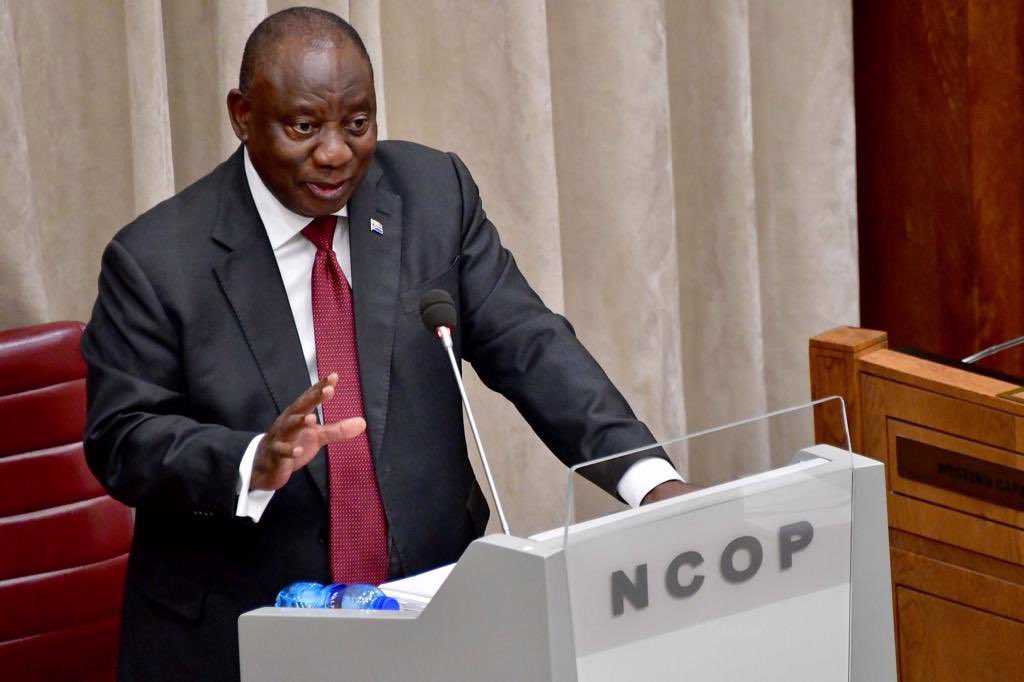
The National Council of Provinces (NCOP) was expected to vote on the National Health Insurance (NHI) Bill, on Wednesday, but the voting on the bill was postponed to next week Wednesday, 6 December.
NCOP chairperson Amos Masondo said they have postponed the debate on the bill for a week after receiving a letter asking that the vote be rescheduled.
It is still unclear on the author and the contents of the letter, which left other members frustrated.
Eight of the nine provinces supported the motion that the debate take place next week with the exception of the Western Cape.
The Democratic Alliance MPs were kicked out of the house after raising point of orders on the postponement of the bill.
The bill was passed in the National Assembly in July.
DA MP Cathlene Labuschagne said the bill has been rushed.
“The processing of the bill has been a rush partly due to misunderstanding of the amendment procedures, which meant that the committee was working towards a false deadline.”
“This meant that the referral to provinces became a sham and box ticking exercises where insufficient time is given to provinces to perform the responsibilities, the presentations of the bill were made to provincial committees, late last week.”
Earlier Presidency Spokesperson, Vincent Magwenya said President Cyril Ramaphosa will not rush to sign the bill into law when it is passed, he says he has a duty to properly evaluate and assess the NHI Bill before signing it.
“Concerns have been expressed directly to the president [about] certain parts of the Bill. Once the Bill has been passed, the president still has a constitutional imperative in processing that Bill before he signs it. He will look at the process. One of the things he will look at is, has there been sufficient consultation and if so, have those consultations sufficiently addressed the issues of concern,” Magwenya explained.
He said it was within Ramaphosa’s remit to send back a bill if he has any concerns.
“The passing of the Bill doesn’t necessarily mark the conclusion of the process. The president does not, each time he receives a Bill, just sign it as a given. If he so desires, he can open another round of consultation to satisfy himself that what he will sign will not be subjected to endless litigation,” He added.
Magwenya was briefing the media about Ramaphosa’s diary.
The bill seeks to ensure all South Africans have access to quality health-care services and provides for the establishment of a fund that will be used to pay for almost all medical treatment from accredited providers, with rates to be set by the state. Private insurers will only be able to pay for products and services that aren’t covered by the fund.
Passing the legislation without modifications would set the stage for a court challenge on the grounds that it erodes the constitutional rights of both patients and health-care professionals — and that input from interested groups wasn’t given adequate consideration.
NHI critics argue that it doesn’t spell out how the government will raise the as much as 500 billion rand that’s estimated to be needed to fund it — it merely states that money will come from general tax revenue, payroll taxes, surcharges on personal income tax and the reallocation of funding for tax credits that are currently paid to private insurers.