
By Lehlohonolo Lehana.
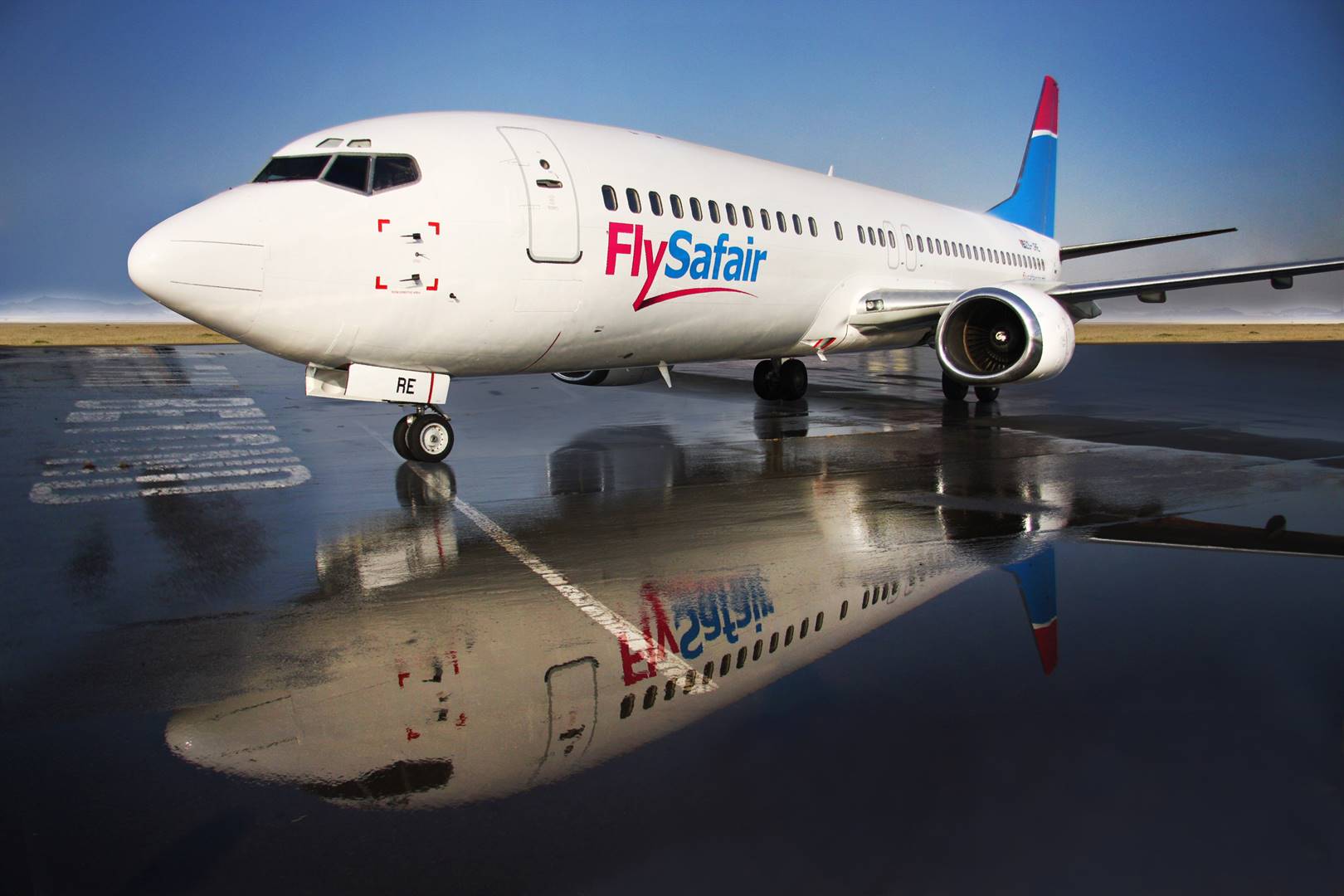
The domestic carrier FlySafair pilots have expressed their frustration in an open letter to the South African public amid the ongoing strike.
The strike marks the longest pilot strike in South Africa’s history, which Trade Union Solidarity says follows years of the pilots having remained silent and trusting promises of stability and fairness.
Initially, FlySafair’s pilots intended to strike only for one day to signal their dissatisfaction and demonstrate the seriousness of their concerns; however, this was not met with a willingness to engage, according to the union.
On Tuesday, the FlySafair pilots issued an “open letter” to the public, to explain their plight amid accusations on some fronts that the pilots were being greedy.
“Let us be clear: this strike is not about greed. It is about dignity. It is about safety. It is about fairness. It is about being heard,” the statement explained.
“This year alone, 37 highly trained, experienced pilots have resigned – not in search of luxury, but in search of stability and respect. These are professionals who have sacrificed years of their lives and small fortunes in training, only to find themselves working under conditions that disregard their well-being.”
The biggest point of consternation, the union says, is the forced implementation of a new algorithm-driven rostering system.
“While the technology promised efficiency, the reality has been brutal: minimal rest, erratic schedules, and zero regard for basic human needs. The pilots asked for one weekend off a month. The response? “The algorithm doesn’t like rules.”
“This is the kind of cold logic we are up against. But aviation is not a factory. Pilots are not products of a shift system. We are human beings responsible for hundreds of lives at a time. Predictability, rest, and mental well-being are not luxuries – they are necessities. And they are being stripped away,” the joint statement said.
The open letter also highlighted a “growing culture of silence and fear”, in which concerns about fatigue, safety and attrition are routinely dismissed or met with intimidation. Pilots claim they’re “spoken at” rather than with.
“Salaries remain 10% below pre-COVID levels. We still fly without loss-of-license cover, proper disability protection and basic scheduling fairness.
“Therefore, we ask: is it too much to request a single weekend a month with our families? Is it too much to ask for a say in the systems that determine how we live our lives? Is it unreasonable to expect that our pay reflects our work and responsibilities? Is it not in the public’s interest to ensure their pilots are well-rested and motivated?”
The pilots apologised to the public, whose travel plans had been disrupted.
In response, FlySafair said, that the fixed scheduling rules that pilots were demanding would substantially limit the airline’s ability to roster pilots efficiently.
FlySafair said its new system, which is standard across the global airline industry, allowed pilots to receive their full monthly rosters by the 20th of the preceding month, enabling personal planning and scheduling. It said the system also included a structured marketplace to facilitate duty swaps.
The carrier said that as an alternative, it had proposed the formation of an independently chaired joint roster committee, featuring both pilot and company representatives. This body, it said, would have the power to test and refine proposed scheduling rules in a live environment before implementation.
“We had hoped that our proposal which was designed to give pilots a meaningful say in shaping their roster parameters would be well received,” said Kirby Gordon, Chief Marketing Officer at FlySafair. “We’re disappointed that Solidarity has chosen not to pursue this collaborative approach.”