
By Lehlohonolo Lehana.
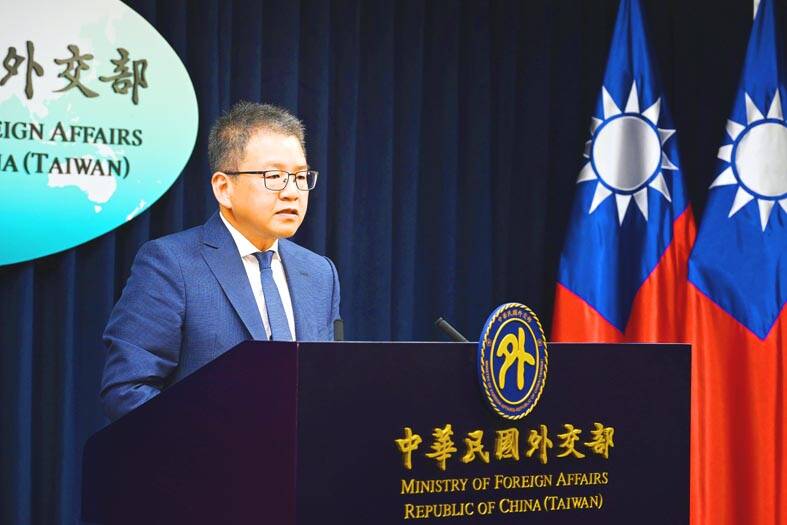
Photo Credit: Chen Yi-kuan.
Taiwan is considering imposing restrictions on semiconductor chip exports to South Africa after the latter officially downgraded its mission.
Taiwan’s Ministry of Foreign Affairs (MOFA) said, it is actively reviewing countermeasures to South Africa’s “crude” reclassification of its representative offices.
Among the proposed options is a curtailment of chip exports – a potentially symbolic gesture given Taiwan’s dominance in global semiconductor production.
“To safeguard national sovereignty and dignity, we are discussing countermeasures, including restricting chip exports to South Africa,” MOFA director-general for West Asian and African Affairs Philippe Yen said.
Yen said discussions were ongoing and that specifics such as which chips and for how long any restrictions would apply have not yet been decided.
The South African government had initially ordered Taiwan to move its Pretoria office to Johannesburg in October 2024, but talks between the sides resulted in a new date of end of March 2026 being set.
However, with just under a week to go before the deadline, Taiwan and the South African government are still engaged in a possible change of date due to financial implications associated with this relocation.
SA’s International Relations ministry renamed the “Taipei Liaison Office” to the “Taipei Commercial Office” on its website earlier this month, saying the relocation will not hinder but enhance economic ties between the two sides.
The change comes amid Pretoria’s reaffirmation of its “one China” policy and citation of UN General Assembly Resolution 2758 – a move widely interpreted as aligning more closely with Beijing’s stance.
Taiwan condemned the timing of the downgrade, which came on the heels of South African Vice President Paul Mashatile’s visit to China earlier this month.
The ministry believes this reflects growing pressure from Beijing aimed at isolating Taiwan internationally.
South Africa defended its decision as “standard diplomatic practice” and claimed the rebranding more accurately reflects the “nonpolitical and nondiplomatic nature” of its ties with Taiwan.