
By Lehlohonolo Lehana.
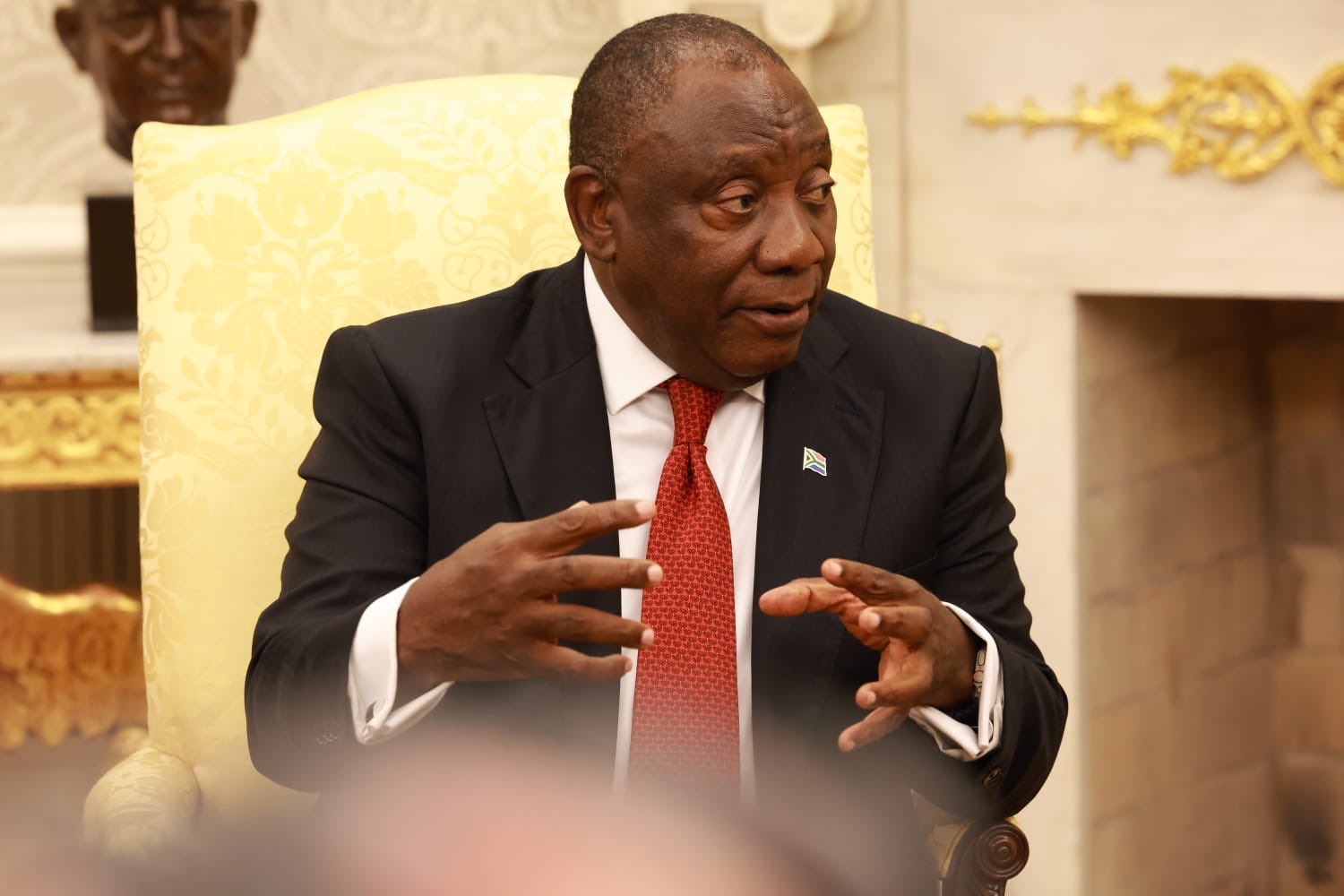
President Cyril Ramaphosa says his administration would draft measures to support exporters hit by U.S. new 30% tariff, which is expected to trigger widespread job losses in the automotive and agriculture industries.
South Africa is the only country from sub-Saharan Africa singled out in the announcement, reflecting US strained relationship with Pretoria.
Other African nations, including Lesotho and Zimbabwe, have been hit with a 15% tariff, which will also come into effect in seven days.
The decision is a huge blow to South Africa, as the US is its second-biggest trading partner.
South Africa’s automobile, farming and textile sectors had enjoyed duty-free access to the US market under the African Growth and Opportunity Act (Agoa).
Ahead of Donald Trump’s 1 August deadline, South Africa had been trying to agree a trade deal with the US, which included buying US liquefied natural gas, simplifying rules for US poultry imports and investing in US industries like mining.
These reciprocal tariffs, initially due to take effect on 1 August and part of broader measures affecting multiple trade partners, will now take effect from 12h01 eastern daylight time on 7 August 2025.
Ramaphosa said South Africa and US trade relations were complementary in nature and South African exports did not pose a threat to US industry. He said South Africa’s exports to the US contained inputs from the African Continent and contributed to intra-Africa trade.
The government is finalising a package to support companies that are vulnerable to the reciprocal tariffs,” Ramaphosa said. “The package consists of a number of measures to assist companies, producers and workers affected by the tariffs on South African exports to the US.”
The tariff on South African imports to the US highlights a deterioration in relations between the two nations since Trump took office in January.
The US president falsely accused South Africa of permitting a genocide against White farmers, allowed members of the ethnic Afrikaner minority to apply for refugee status and expelled the nation’s ambassador. In May, Trump ambushed Ramaphosa in a televised meeting at the White House, repeating the genocide allegations.
The Trump administration has also repeatedly clashed with leaders of the Brics economic bloc, of which South Africa is a prominent member. The group also includes Brazil, Russia, India and China.
South Africa will continue to engage the US on a new trade accord and has submitted a “framework deal” that aims to enhance both trade and investment relations, Ramaphosa said.
“All channels of communication remain open to engage with the US and our negotiators are ready pending invitation from the US,” the president said.
Earlier this week, Trump indicated he would “maybe send someone else” to the G20 Leaders Summit taking place later this year in Johannesburg.
“I’ve had a lot of problems with South Africa. They have some very bad policies,” he told reporters.
Meanwhile Labour union Numsa, in its letter to Ramaphosa and the ministers in the government’s economic cluster, said that 26 companies in the Eastern Cape were at high risk of closing should Mercedes-Benz pull out of the country.
The letter, signed by union secretary-general Irvin Jim, urges immediate steps to be taken as “the hard lessons, both in South Africa and in the world, are such that in manufacturing, if you allow a company to close, such jobs will never come back”.
Also under pressure is the tyre sector – Goodyear will close its Kariega factory by the end of 2025, threatening up to 3,000 direct and indirect jobs, a move Numsa links to cheap imports flooding the market. The union has called for stronger anti-dumping measures.