
By Lehlohonolo Lehana.
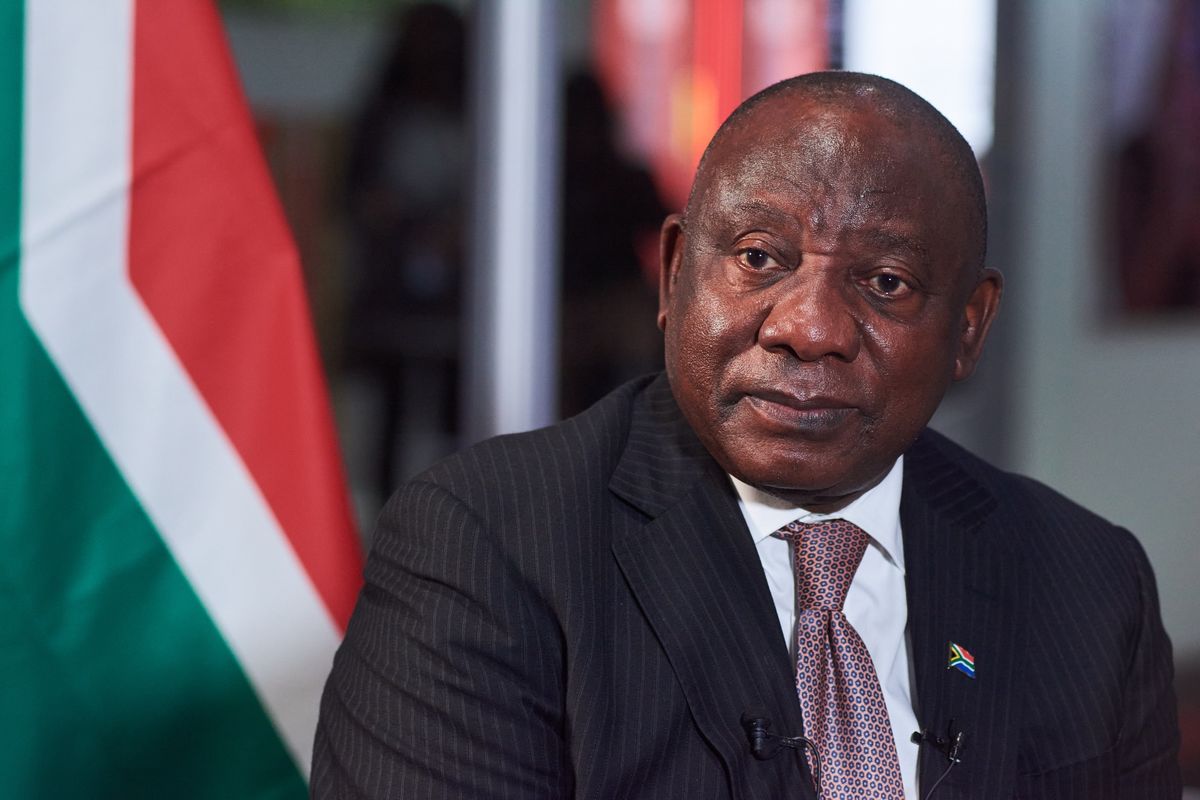
President Cyril Ramaphosa and US President Donald Trump held a telephone call on Wednesday, a day before United States 30% tariffs kicked in.
Trump signed an executive order on Thursday (31 July), setting punitive import tariffs on a host of countries, including South Africa.
While it has been reported for months—at least since April 2025—that key export industries like the automotive sector and agriculture would be hit hard by the tariffs, the wider impact on local consumers has been less apparent.
“The two leaders undertook to continue with further engagements, recognising the various trade negotiations the U.S. is currently involved in,” Ramaphosa’s office said in a brief statement.
The US’s duties on South African goods going into the world’s biggest economy are the highest charged on exports from any sub-Saharan nation, and form part of a US shakeup of its relationship with trading partners.
The US is South Africa’s third-largest trading partner (7.5% of total exports), with China being its second-largest trading partner (11%) and the EU its largest, with 17%.
Meanwhile, Portfolio Committee on Trade, Industry and Competition expressed concerns about the impact of the tariffs, particularly on automotive, steel and agricultural products, as affected South African exports will become less competitive in the US.
“These sectors form part of significant value chains that exist between the two countries. South Africa is a crucial supplier of raw materials to many United States supply chains. The country also possesses strategic mineral reserves such as chrome, manganese and gold, from which the United States can benefit. Therefore, the trading relationship with the US offers opportunities for mutual development and growth,” said committee chairperson Mzwandile Masina.
The committee supports efforts to negotiate a deal with the US, including the enhancement of the Trade and Investment Framework Agreement, as a way to address bilateral trade and investment concerns.
Masina appealed for parties to continue negotiations for a mutually beneficial resolution, warning stakeholders to refrain from making “reckless” public statements that may compromise the efforts of the South African negotiating team.
“All South Africans should partner with government and speak with one voice during this critical period of negotiations given the impact that this could have on the broader economy,” he said.