
By Lehlohonolo Lehana.
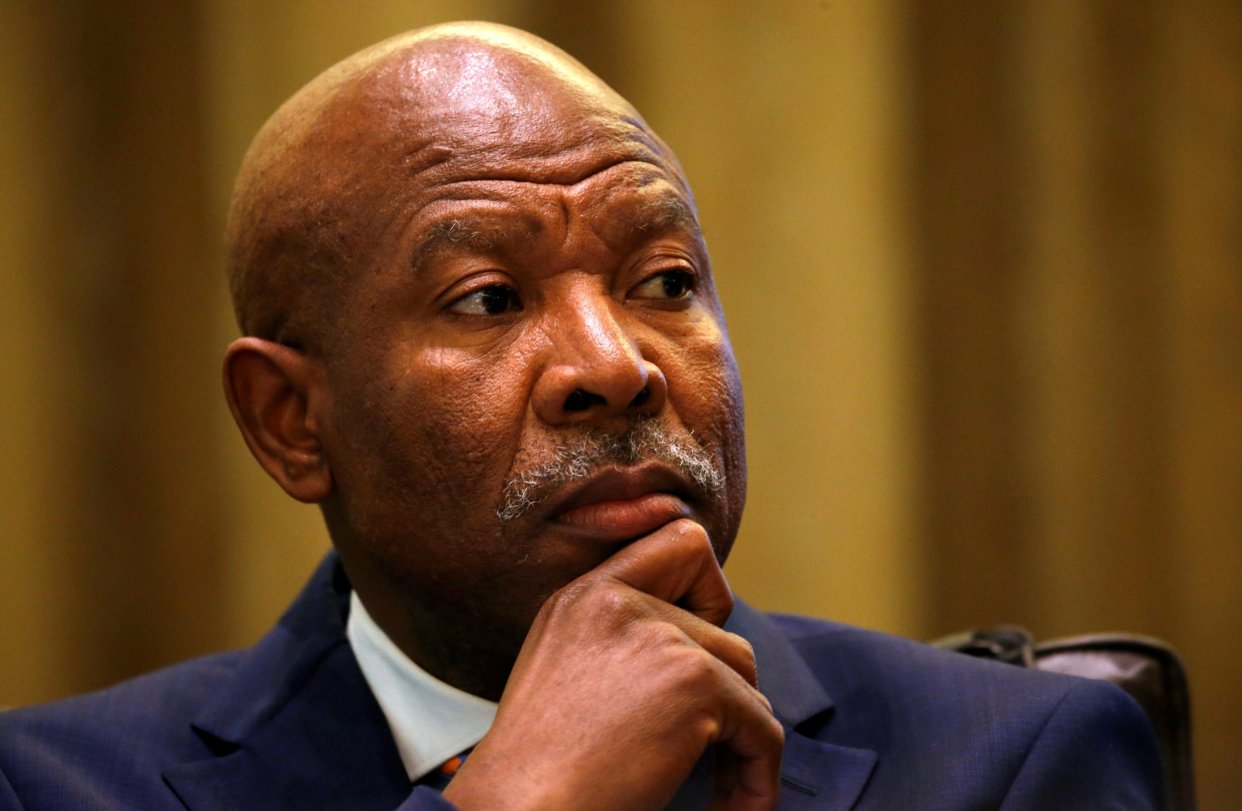
South African Reserve Bank (SARB) Governor Lesetja Kganyago addressed the 105th annual Ordinary General meeting (AGM) on Friday, 8 August 2025.
Kganyago said inflation is expected to quicken over the next couple of months before cooling and that if it holds at current levels its forecasts predict lower interest rates.
“We expect this uptick in headline inflation to be temporary, and we look forward to inflation coming back to around 3% over the medium term,” he said. “To the extent that inflation settles at 3%, and that inflation expectations continue their move lower, the bank’s forecasting model shows lower interest rates if inflation remains contained at current levels.”
Reserve Bank cut rates by 25 basis points to 7% on July 31 and unexpectedly announced that it prefers inflation to be at the floor of its 3% to 6% inflation target. That drew a terse response from Finance Minister Enoch Godongwana that made clear he had not granted his permission for the move.
The central bank target has not been revised since being introduced in 2000.
Policymakers have long advocated for a 3% goal, arguing that it would deliver lower borrowing costs and a more competitive economy over the medium term.
Godongwana issued a statement the next day criticising the unilateral move for breaching the “established consultation process” between the bank and the Treasury.
He also ruled out an announcement on inflation targeting when he presents the country’s mid-term budget review in October. He did not comment directly on the economic merits of a lower inflation goal.
The Reserve Bank has been a staunch proponent of lowering South Africa’s inflation target, saying it could bring immense benefits to the country.
This includes faster economic growth, lower debt-servicing costs, and reduced cost-of-living pressures.
However, implementing it could result in interest rates remaining elevated for a longer period to ‘lock in’ lower inflation and maintain the Reserve Bank’s credibility.
This impact could be minimised if South Africa takes the opportunity to lower its target from a 3% to 6% range to a 3% target point while inflation is not rising, which is why the Reserve Bank is pushing to lower the target sooner rather than later.
Kganyago also believes U.S. tariffs will only have a modest impact on the country’s economic growth.
U.S. imports from South Africa are now subject to a 30% duty – the highest rate in Sub-Saharan Africa – after Pretoria failed to agree a trade deal with Washington.
“Our preliminary assessment is that tariffs and the other uncertainties in the global economy are causing modest damage to growth while leaving inflation broadly unchanged,” he told the bank’s shareholders.
“The U.S. is a large trading partner for South Africa, but it is not as important as Europe, China or the Southern African Development Community,” Kganyago added.
Watch Live in the video below:
Video Courtesy of SARB.