
By Lehlohonolo Lehana.
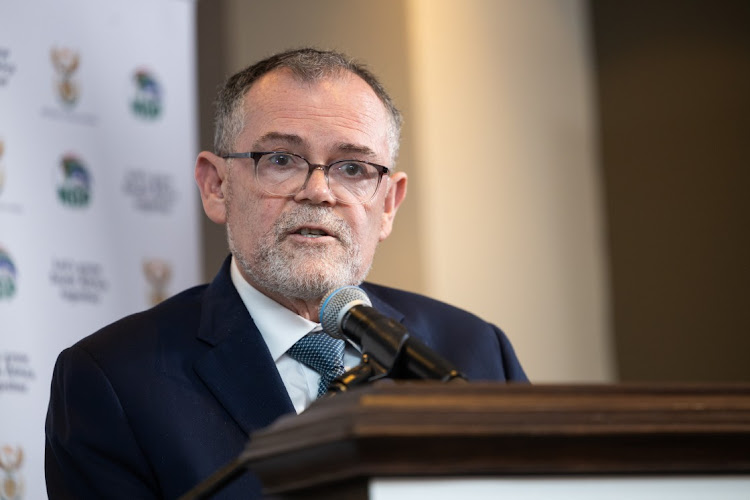
Forestry, Fisheries and the Environment Minister Dion George says South Africa will continue working to end plastic pollution in the country, despite global plastic treaty talks ended in failure.
Talks to finalize the world’s first treaty on plastic pollution in Geneva, Switzerland collapsed in failure on Friday as countries remained bitterly divided how to tackle the crisis.
The summit, held at the United Nations headquarters and attended by delegates from more than 180 countries, was supposed to end Thursday after 10 days of contentious talks, but slipped into overtime as nations were unable to break their deadlock.
More than 100 countries had called for legally binding caps on plastic production. Many also demanded action to tackle toxic cehmicals in plastics.
But powerful oil and gas producing countries such as Saudi Arabia and Russia pushed back strongly arguing the treaty should focus more on recycling, reuse and redesign than production caps or a phase-out of chemicals.
The chair of the negotiating committee presented a draft of the treaty in the early hours of the morning local time on Friday, but delegates did not agree to use it as basis for further discussions — leaving no path forward.
George said the talks had collapsed because of “deep divisions between nations and the absence of a clear process to resolve the deadlock”.
“South Africa is disappointed by the outcome and concerned about the procedural failings that stalled progress. But our resolve remains unshaken. While the lack of agreement is frustrating, South Africa will not waver in our fight to end plastic pollution and create a fair, practical regulatory environment.”
“We will keep driving action at home and pressing for solutions abroad.”
During the INC, George met South African industry, business, and civil society to strengthen partnerships for a circular economy.
“Collaboration with all stakeholders is vital. We must build a system where sustainable practices are the norm, not the exception,” the minister said.
South Africa opposed rigid caps on platic production, calling instead for market driven solutions backed by incentives to push business toward sustainability. The country is also acting to close gaps in controls on imported plastics, ensuring they meet strict health and environmental standards.
George warned about toxic chemicals in plastics and the spread of microplastics into food systems and human bodies. “It is unacceptable that microplastics are found everywhere, including in our own bodies. We will act decisively to protect public health.”
South Africa’s Extended Producer Responsibility (EPR) regulations and the polluter pays principle are already holding producers to account for the full life cycle of their products.
“Our EPR framework is a cornerstone of our strategy, and we will keep strengthening it,” George said, adding that the country will keep working at home and with global partners to secure a meaningful, inclusive plastics treaty that protects our planet and future generations.
INC chair Luis Vayas Valdivieso said that “failing to reach the goal we set for ourselves may bring sadness, even frustration. Yet it should not lead to discouragement.
“On the contrary, it should spur us to regain our energy, renew our commitments, and unite our aspirations. It has not happened yet in Geneva, but I have no doubt that the day will come when the international community will unite its will and join hands to protect our environment and safeguard the health of our people.”