
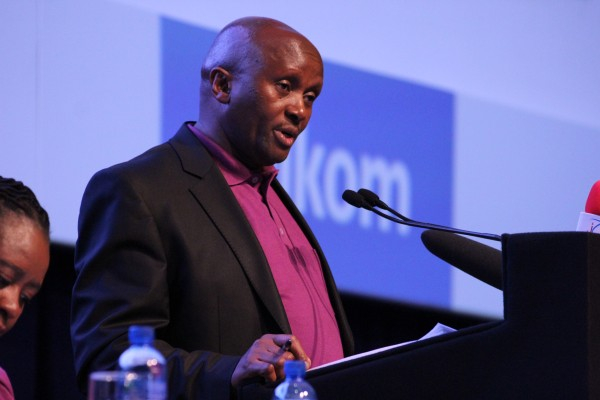
By Lehlohonolo Lehana.
President Cyril Ramaphosa has strengthened the IEC’s leadership through the appointment of new commissioners in terms of Section 6 of the Electoral Commission Act, following recommendations from the National Assembly.
In a statement, presidency said, “the appointments, made under Section 6 of the Electoral Commission Act and based on recommendations from the National Assembly, will see three individuals take up key leadership roles.”
“Joyce Pitso and Mosotho Moepya have been named full-time commissioners, while Judge Dhaya Pillay joins the team as a part-time commissioner. Their terms are set to run for seven years, giving them the mandate to strengthen the integrity and transparency of the country’s electoral system.”
In addition, presidency confirmed that Ramaphosa, under Section 8(1) of the same Act, has appointed Moepya as the chairperson of the commission.
The president extended his best wishes to the newly appointed officials, expressing confidence in their ability to uphold the fairness and credibility of future elections.
Ramaphosa emphasised the vital role the IEC plays in protecting democracy and ensuring that South Africa’s elections remain free, fair, and inclusive.
Meanwhile the IEC unveiled its plans ahead of the 2026 Local Government Elections (LGE) in November next year.
The upcoming polls come as municipalities across the country face worsening service delivery challenges, including unreliable water supply, frequent electricity cuts, poor waste collection, and deteriorating roads.
The Commission announced that the next local elections are expected to take place between November 2, 2026, and January 31, 2027.
IEC CEO Sy Mamabolo confirmed that consultations with the Minister of Cogta Velinkosini Hlabisa had already begun but were yet to be finalised.
He assured the public that preparations were well underway despite an increase in the number of political parties seeking to participate.
Since the 2024 general elections, the IEC has registered 34 new political parties, bringing the total number of registered parties in South Africa to 472 — the highest in the country’s history. Of these, 287 are registered nationally, while 185 operate at provincial, district, or metropolitan levels.