
By Lehlohonolo Lehana.
The National Director of Public Prosecutions (NDPP) Shamila Batohi says a review on the decision not to prosecute in the Phala Phala farm burglary remains under consideration.
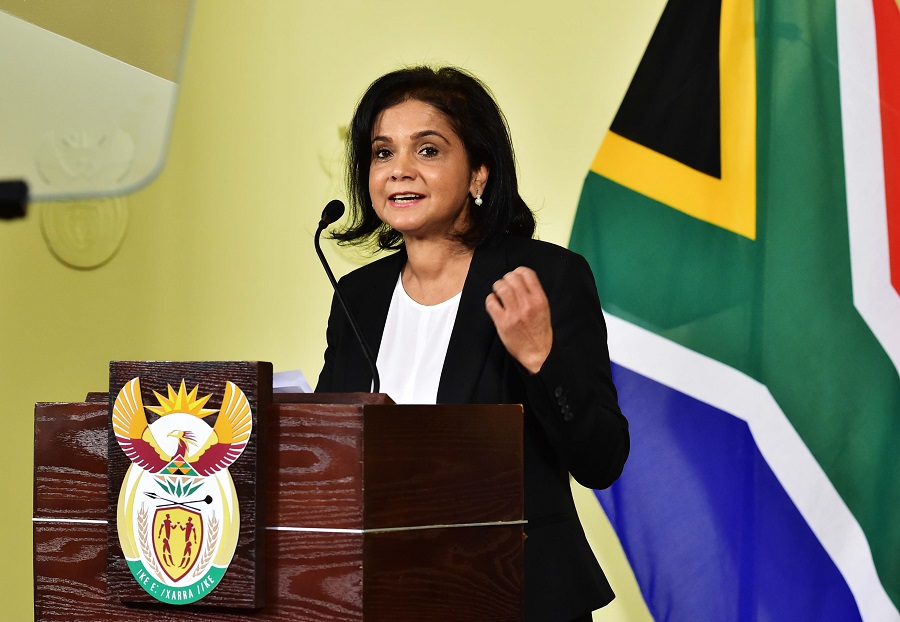
Batohi appeared before Parliament’s ad hoc committee at the Good Hope Chamber in Cape Town on Tuesday.
The committee is investigating claims of criminal infiltration, corruption, and political interference within South Africa’s justice system.
Batohi was questioned about the Phala Phala farm burglary, in which suspects broke into president Cyril Ramaphosa’s game farm in February 2020 and stole $580 000.
This comes after the National Prosecuting Authority (NPA) announced a decision not to prosecute anyone in the matter.
Limpopo Director of Public Prosecutions (DPP) Advocate Mukhali Ivy Thenga decided not to prosecute Ramaphosa or any individuals linked to the incident.
This decision followed a thorough investigation by the Directorate for Priority Crimes Investigation (DPCI), also known as the Hawks, which found insufficient evidence to support a reasonable prospect of conviction.
uMkhonto we Sizwe MP Vusi Shongwe had asked Batohi why Ramaphosa had not been prosecuted in relation to the US dollars that had been stolen and stashed in a couch at the farm.
Batohi responded that the specialised commercial crimes unit was investigating the matter and that the trial over the theft itself was still in court.
Shongwe said a panel headed by former chief justice Sandile Ngcobo had found prima facie evidence against Ramaphosa and that the Directorate for Priority Crime Investigations (the Hawks) had stated that an investigative report was on Batohi’s desk.
“That is incorrect. I have never received this matter,” said Batohi.
When Shongwe pressed her on why she had not acted on the Phala Phala matter and prosecuted Ramaphosa, Batohi responded: “Because there are processes to be followed in the legal process. The [director of public prosecutions] DPP takes a decision on the matter or not, and of course, anybody is entitled to ask that the national director review this matter.”
She said she was aware of a review process on the Phala Phala case, but “to be clear, the matter is not on my desk. I have never considered this matter or the merits of this matter”.
Earlier, Batohi told committee that her warnings about infiltration within the National Prosecuting Authority (NPA) were not related to allegations made by KwaZulu-Natal police commissioner Nhlanhla Mkhwanazi during a July media briefing in which he accused the entity of aiding criminal syndicates.
In June, Batohi said criminal elements had infiltrated the NPA, and an investigation was ongoing regarding a prosecutor allegedly linked to criminal cartels.
“I meant something different because you’ll recall I made my comments before he (Mkhwanazi) did. I had no idea what he was going to talkabout. So they were not related,” Batohi said.
Her testimony comes in the wake of allegations levelled against senior law enforcement officials, such as suspended police minister Senzo Mchunu and deputy national commissioner Shadrack Sibiya, of political interference, corruption, and the infiltration of police and prosecuting systems by organised criminal cartels.
She told MPs that despite the political turbulence surrounding the police service, the NPA had not experienced interference from the executive. Batohi added while the NPA had vulnerabilities, with prosecutors open to compromise, the institution remained insulated from syndicates.