
By Lehlohonolo Lehana.
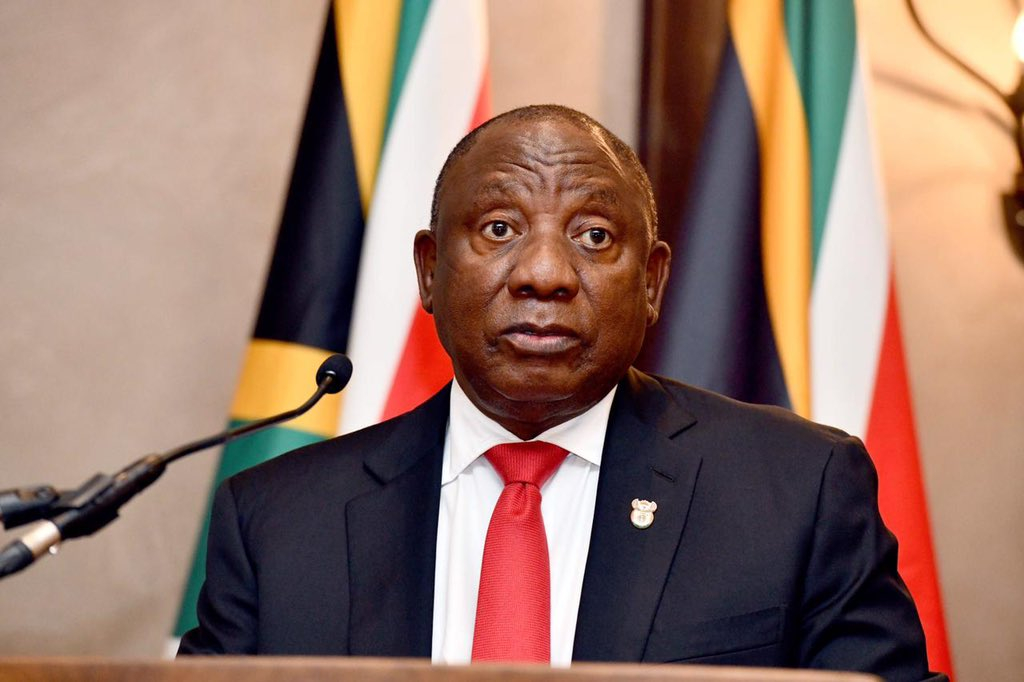
The South African Human Rights Commissions (SAHRC) says President Cyril Ramaphosa will be invited to account for government’s response to the July unrest.
The commission is currently probing the events that transpired in parts of Gauteng and KwaZulu-Natal in July last year.
The civil unrest led to the deaths of more than 350 people and billions of rands lost to the economy.
The commission has heard from several high-profile officials, including Police Minister Bheki Cele, Justice and Correctional Services Minister Ronald Lamola, as well as eThekwini mayor Mxolisi Kaunda.
SAHRC chairperson Andre Gaum announced on Friday that Ramaphosa is expected to give evidence in April when the commission reconvenes for the third leg of hearings.
He added the commission is then expected to start working on its report.
“Considering the extent to which human rights were impacted during the events that occurred between the 8th and 19th of July 2021 in the provinces of Gauteng and KwaZulu-Natal, the commission exercised its constitutional and statutory mandate to investigate the causes of unrests as well as the impact on human rights, “said Gaum.
“The commission will now collect all the oral evidence heard and all the submissions received in drafting its report, the commission has a large volume of evidence to work with and will not state when its provisional report will be available, and the final report. But we can commit every resource available to finalising the report as soon as possible.”
Meanwhile the role of the media came under scrutiny during the SA Human Rights Commission hearings in Sandton on Friday when Media Monitoring Africa Director William Bird explained how both the mainstream and social media played a role during the July unrest.
He explained the roles of mainstream media and social media and how they affected society and fuelled their actions.
Asked about the media he said: “We try and strike a balance between freedom of expression with other rights and interest. This approach is particularly relevant, because the issue that we dealing with today around harmful speech, misinformation and how we deal with it and with online content, is such a difficult thing to deal with.
“When we look at combating disinformation. We have been doing a lot of work in the last four to five years and we have undertaken some strategic litigation looking at disinformation.”
He described mass media as a traditional journalistic media, saying it was there to maintain journalistic principles and standards, as opposed to social media.
According to Bird: “Social media does not build community. It’s not necessarily there to inform; it’s there to sell us advertisements, fundamentally, whereas news media are there to help us understand what is going on.”
On the constitution of traditional and social media, he said there was no solid difference in definition between misinformation and disinformation. Both implied intentionally spreading false information to deceive people.