
By Lehlohonolo Lehana.
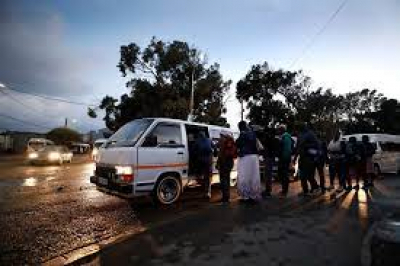
South Africa’s taxi operators are tabling a proposal to increase taxi fares, between 25% and 30%.
Various taxi associations in recent weeks have been discussing raising taxi fares.
Speaking to 702, National Taxi Alliance spokesperson Theo Malele said that prices were last hiked just before 2021, when the compounding effects of Covid-19 took their toll on the industry. Fares have not gone up since then, even though the petrol price has increased significantly in the interim.
Malele said that when petrol price increases become 25% higher, taxis started taking pain, and eventually something was going to have to give. The alliance is now proposing that taxi fares be increased nationally by between 25% and 30% to compensate.
He said the increase will not exceed the 30% threshold.
“Our business is community-based and it is the material conditions on the ground that determine the margin of adjustment,” he said.
The proposal comes after four weeks of deliberation with various stakeholders and associations on the ground.
Malele said that even before the most recent increase in petrol prices, operators were forking out R6,000 more a month for a petrol-run vehicle and roughly R3,000 for a diesel.
The alliance added that out of 1 litre of petrol a taxi could get roughly 2km of travel – and 1 litre of diesel stretches it to 2.5kms, depending on the vehicle’s engine capacity.
Earlier this month the Department of Energy published its fuel price adjustments indicating a major hike for both petrol and diesel.
To combat such high prices the director of fuel pricing at the energy department, Robert Maake, said the government is working on the following interventions:
° The possible introduction of a price cap;
° A proposal to stop publishing guidance on diesel prices;
° A process to review the Regulatory Accounting System (RAS).
Meanwhile, economist Dawie Roodt has warned there could be a resurgence of protest action, similar to what happened during last year’s unrest in KwaZulu-Natal and Gauteng, if the economic situation is not addressed.
The continued rise in living costs, especially food and fuel, is expected to continue unabated in the coming months.