
By Lehlohonolo Lehana.
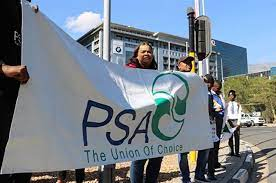
The Public Servants Association (PSA) says it is preparing for a strike in the public service after the majority of its members rejected the government’s wage offer.
The PSA is the country’s largest politically non-affiliated union for public servants, with more than 200,000 members.
It secured a certificate to strike after rejecting government’s offer to increase workers’ salaries by 3% last month.
South Africa is currently embroiled in industrial action, the latest being at the national port and freight company Transnet, and costing the country billions in productivity loss.
The union will wait for the government to respond on picketing rules by Friday. The last major strike in the public sector was in 2010, affecting schools and other public services.
After PSA declared a dispute, the government raised their offer from 2% to 3% and threw in continued payment of the cash gratuity until 31 March 2023. While the South African Democratic Teachers Union (Sadtu) announced last week that its members resolved to accept the 3% offer, the PSA is doubling down.
“The PSA requested a mandate from its members to accept or reject the offer, resulting in a rejection of the offer by the majority of members who provided a mandate.
While public sector unions have demanded an 8% wage increase, the PSA said that they went as low as 6.5% – arguing that this is a deep compromise, considering inflation is above 7%.
“Section 69(4) of the Labour Relations Act stipulates that unless there is a collective agreement binding on the trade union that regulates picketing, the commissioner conciliating the dispute must attempt to secure an agreement between parties to the dispute on rules that should apply to any picket in relation to that strike,” the PSA said in a statement.
The union said parties will convene next Monday to conclude on the rules, failing which the commissioner will issue picketing rules. The PSA will thereafter issue a notice to strike and commence with lunchtime pickets in support of a strike.
Strike season is in full swing, and according to new data in South African Reserve Bank’s Quarterly Bulletin over the first half of this year, the economy lost a total of 1.6 million workdays as a result of industrial action.