
By Lehlohonolo Lehana.
The death toll from the current initiation schools in the Eastern Cape has risen to 17, with authorities confirming that recent fatalities are linked to illegal initiation schools.
Most deaths tie to illegal or poorly run schools, where untrained surgeons use old blades or spears without sterility.
The Customary Initiation Act requires registration, medical checks, and trained caregivers, but enforcement lags in rural areas.
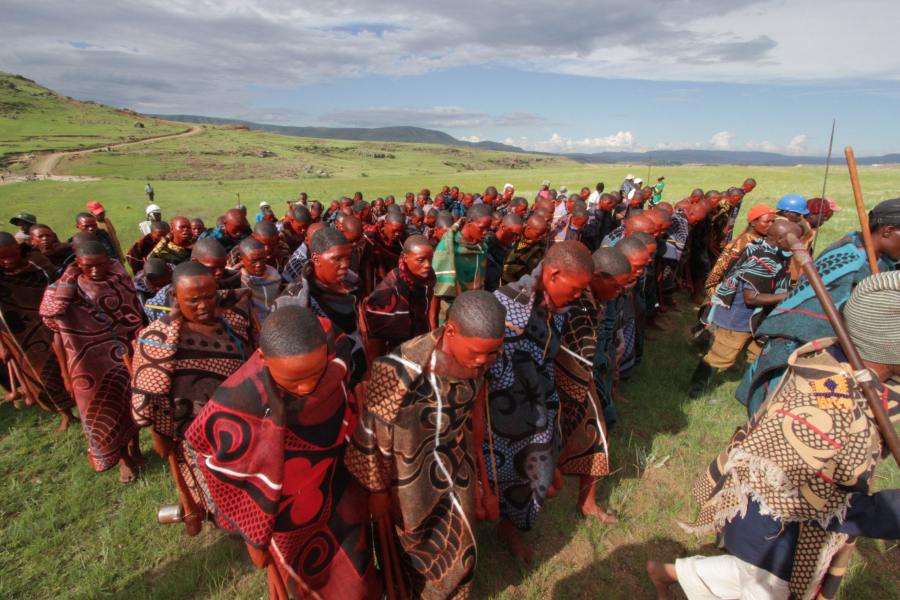
Circumcision is just one component of the full initiation ritual, during which young men of the Xhosa communities enter manhood.
Minister of Cooperative Governance and Traditional Affairs (COGTA) spokesperson Pearl Maseko-Binqose has called on traditional leaders to work with government to close down illegal initiation schools.
“These tragic deaths are not caused by culture but illegal initiation schools, unqualified practitioners, neglect, dehydration and abuse among other things. The minister extends his heartfelt condolences to the families and communities who have lost their loved ones during this period of mourning and pain.”
Authorities have arrested 31 people and opened 45 criminal cases for unlawful circumcisions and for breaking the law.
Meanwhile COGTA Deputy Minister Prince Zolile Burns‑Ncamashe is conducted an urgent oversight visit to the OR Tambo District, which has recorded the highest number of deaths.
The visit aimed to engage traditional leaders, caregivers, and community stakeholders as concerns deepen over unsafe practices despite preparatory efforts for this season.
According to a World Health Organization (WHO) study of traditional male circumcision among Xhosa communities, young men are put through a series of “survival tests” to “prove” that they are ready to enter manhood. Besides being forced to undergo the circumcision procedure without anaesthetic, the young men are challenged over the course of the initiation process to confront pain and discomfort as proper men.
These tests often include isolation, exposure to harsh elements, and strict dietary restrictions that prohibit water and heartier foods such as meat during the seven days following the circumcision. Initiates who are hospitalized for medical issues other than botched circumcision are often treated for dehydration or hypothermia. Other practices around initiation persist behind closed doors; they are not to be shared with outsiders, women, or uncircumcised men.