
By Kevin Rademeyer, Sports Journalist.
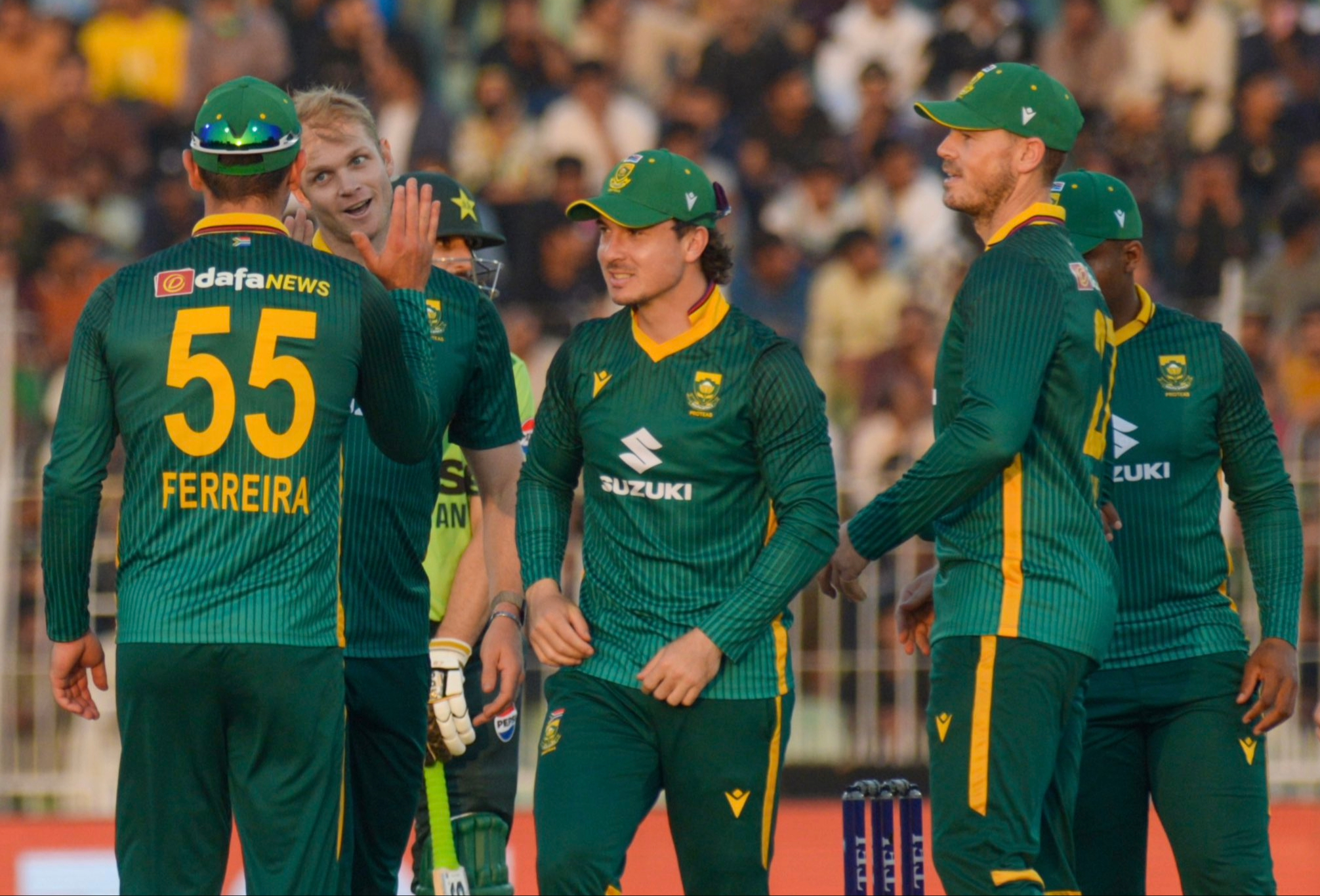
The 2026 ICC Men’s T20 World Cup is less than a month away. The Proteas arrive in India as genuine contenders, armed with experience, elite pace bowling and a leadership group hardened by recent global tournaments. Yet beneath the surface, selection gambles and structural imbalances mean this campaign could hinge on fine margins rather than clear superiority.
Experienced Core Anchors the Campaign
The spine of the Proteas squad remains firmly established. Quinton de Kock, Aiden Markram, Kagiso Rabada, Marco Jansen and David Miller provide the calm authority that only tournament experience can offer. These are players who understand the unforgiving nature of World Cups, where one over, one spell or one lapse in concentration can shape an entire campaign.
This was evident in the last World Cup final in Barbados, where at one stage South Africa were 93 percent favourites to win the cup, before a break in play shifted momentum and ultimately changed the outcome.
De Kock’s composure at the top remains vital, particularly after selectors opted for him over the prolific Ryan Rickelton, whose domestic dominance has yet to translate consistently to international T20 cricket. Miller continues to be trusted as the side’s premier finisher, while Markram carries both tactical responsibility and expectation as captain. Rabada’s return from injury further solidifies South Africa’s leadership axis, giving the bowling unit its most reliable strike weapon.
Pace Bowling Remains the Proteas’ Trump Card
South Africa’s greatest strength remains its fast bowling depth. Rabada, Anrich Nortje, Marco Jansen, Corbin Bosch, Kwena Maphaka and Lungi Ngidi form a pace group capable of unsettling any batting line up, even on traditionally slower subcontinent surfaces.
Nortje’s inclusion is particularly reassuring. He finished as South Africa’s leading wicket taker at the previous T20 World Cup and has consistently delivered on the biggest stages. His SA20 form has shown encouraging signs, with spells regularly touching 150 kilometres per hour.
Jansen’s versatility with both bat and ball enhances balance, especially at the death, while Ngidi’s pace and well disguised off cutters offer control through the middle and late overs. In high pressure knockout cricket, this pace arsenal gives South Africa a clear point of difference against spin heavy opponents.
Surprise Selection Calls Create Opportunity and Uncertainty
Selectors have not shied away from bold decisions. The exclusion of Tristan Stubbs, despite his IPL success and finishing pedigree, signals a clear shift towards recent form over reputation. Heinrich Klaasen’s absence through retirement further weakens South Africa’s ability to dominate spin, particularly on Indian pitches where his skill set has proven invaluable. Ottniel Baartman was another surprise exclusion, as he has consistently been trusted with the ball in the death overs.
In their place, the selectors have backed emerging talent. Jason Smith, Tony de Zorzi, Dewald Brevis and Kwena Maphaka represent long term investment as much as short term ambition. Smith’s explosive domestic form and positional flexibility clearly impressed decision makers, while De Zorzi offers a left-handed option at the top, provided he is fit in time for the tournament.
However, these inclusions carry risk. Several of these players have limited exposure to elite international pressure, and a World Cup in the subcontinent is an unforgiving environment for learning on the job.
Spin Balance Remains a Lingering Concern
The most persistent structural weakness lies in South Africa’s spin resources. Keshav Maharaj brings control and experience, but there is no genuine mystery spinner or established leg spinner in the squad.
Tabraiz Shamsi was consistently the Proteas’ most effective wicket taking spinner and, somewhat surprisingly, maintained an economy rate well under eight runs per over. He also reached the number one ranking in the world several years ago before falling out of favour with Protea selection. Tabraiz Shamsi recently won a significant court case against Cricket South Africa compelling them to issue him a No Objection Certificate (NOC) to play in the ILT20 and Big Bash League. It appears his international career has effectively ended following the legal dispute, which allowed him to prioritise the ILT20 Big Bash over the domestic SA20 tournament.
On Indian surfaces, where spin often dictates the tempo of the middle overs, this absence could leave the Proteas vulnerable to well-prepared batting units. Without a mystery spinner or a wicket taking option capable of breaking partnerships, South Africa may lean heavily on pace even when conditions demand greater variety.
Markram’s Opening Role Under the Microscope
Aiden Markram is expected to open alongside de Kock, a pairing that offers stability but also raises questions. Markram has not consistently occupied the opening role in recent T20 cycles, nor at franchise level, and the margin for experimentation at World Cups is slim. Early wickets against quality new ball attacks could expose a middle order still searching for settled combinations.
The Super Eight Crucible
South Africa’s fate is likely to be decided in the Super Eight phase, where clashes against India, Australia and West Indies are expected. A potential meeting with hosts India in front of a partisan crowd of more than 130,000 will test far more than technical skill. Temperament, adaptability and leadership will be decisive.
If South Africa’s experienced core can absorb pressure and their bowlers adjust swiftly to conditions, a semi final place is achievable. If not, familiar narratives of promise undone by fine margins may once again surface.
Prediction
The Proteas head into the 2026 T20 World Cup with a squad capable of beating anyone on their day. The Proteas are drawn in Group D alongside Afghanistan, Canada, New Zealand and the United Arab Emirates, and will begin their campaign on February 9 against Canada in Ahmedabad.
Experience, pace and leadership provide a strong foundation, but the absence of varied specialist spin options and an established top order could cause concern in close matches.
This is a team finely balanced between ambition and risk. Success will depend not on potential, but on execution when pressure is at its fiercest. Head coach Shukri Conrad is known for backing his instincts and taking a gamble on players.
He has already defied expectations with an extraordinary Test win rate and the capture of the World Test Championship. While T20 results have been inconsistent late, few would be wise to bet against Conrad finding success once again.
Squad:
Aiden Markram (captain, Titans), Corbin Bosch (Titans), Dewald Brevis (Titans), Quinton de Kock (Lions), Tony de Zorzi (Western Province), Donovan Ferreira (Titans), Marco Jansen (Titans), George Linde (Western Province), Keshav Maharaj (Dolphins), Kwena Maphaka (Lions), David Miller (Dolphins), Lungi Ngidi (Titans), Anrich Nortje (Dolphins), Kagiso Rabada (Lions) and Jason Smith (Dolphins).