
By Lehlohonolo Lehana.
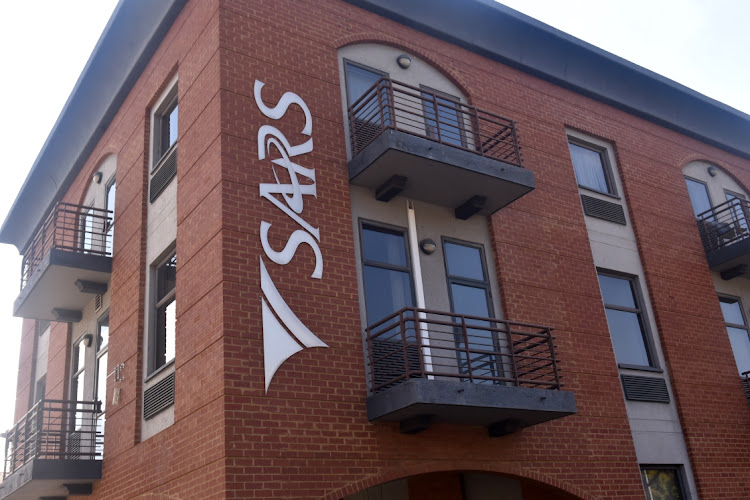
President Cyril Ramaphosa addressed South African Revenue Service (Sars) officials on Thursday as he toured the tax collector’s head office in Pretoria.
The visit formed part of a broader engagement with key government institutions, including the Ministry of Finance and National Treasury, aimed at demonstrating SARS’ progress and showcasing its modernisation initiatives.
SARS was established in terms of the South African Revenue Service Act, 1997 (Act No. 34 of 1997) to function as an autonomous agency responsible for administering South Africa’s tax system and customs service.
Ramaphosa said SARS was a “creation of our democracy” that had sustained the country’s foundation for three decades.
He explained that South Africa was on track to achieve its third consecutive primary budget surplus, which would aid the achievement of government objectives.
Considering Sars’ tax-collecting prowess to be a “key consideration for investors looking to bring their business to our country”, the president said every rand collected propelled the country forward.
“This organisation stands as a shining example of a global tax collection best practise.”
“Since Sars was established in 1997 it has collected more than R23 trillion in tax revenue that has been used for social and economic development,” said Ramaphosa.
The president stated that public trust in the institution had risen from 48% in 2020 to 75% currently, largely due to the work of Commissioner Edward Kieswetter.
He said that mismanagement, corruption, and political meddling had plagued Sars prior to Kieswetter’s appointment in May 2019.
“Your leadership has been vital to restoring the credibility and integrity of this critical South African institution.
“Having largely achieved a turnaround, SARS has positioned itself to be at the forefront of efficiency and service excellence, “said Ramaphosa.
The President linked SARS’ performance to South Africa’s first sovereign credit rating upgrade in nearly two decades, noting that strong value-added tax and corporate income tax receipts were among the factors cited by S&P.
He further acknowledged SARS’ role in the multidisciplinary efforts that led to South Africa’s removal from the Financial Action Task Force grey list in October last year.
Reflecting on the institution’s past challenges, Ramaphosa said SARS, like other key state institutions, had been severely affected during the era of state capture.
“Like a number of other key state institutions, SARS was severely impacted by the state capture era, with political meddling, mismanagement and corruption hampering its efficiency,” he said.
He commended the organisation for implementing the recommendations of the Nugent Commission of Inquiry and for its ongoing transformation.
“Eight years later, the majority of the recommendations have been implemented as the organisation continues along its transformative journey to become ‘a smart, modern SARS with unquestionable integrity that is trusted and admired’,” the President said.
While acknowledging early signs of economic recovery, Ramaphosa said revenue collection remains challenging amid slow growth and rising living costs. He stressed the importance of SARS in supporting the priorities of the Government of National Unity(GNU).
“We need to have the fiscal space to drive inclusive economic growth and job creation, reduce poverty and tackle the high cost of living, and build a capable, ethical developmental state,” he said.
The President welcomed the launch of Project AmaBillions, a SARS initiative aimed at recovering an estimated R300 billion in legally due outstanding taxes and reiterated the institution’s role in combating corruption and illicit economic activity.
Meanwhile Minister of Finance Enoch Godongwana said, the selection panel for SARS commissioner which is led by former minister Nhlanhla Nene have conducted interviews but asked the National Treasury to provide more names, including those of headhunted prospects.
Despite the panel asking for more candidates, Godongwana said it is very possible that a new commissioner will be appointed by end of the month.
“When the panel looked at the interviews of 19 people, they thought that one person was outstanding,” he said.
“They proposed further headhunting to me so that the interview process should be balanced. We think that by the end of February we will have a new commissioner.”
Kieswetter tenure at the helm of Sars will come to an end in April 2026. He was appointed in 2019.His contract was set to come to an end in April 2024, but was extended for an extra two years in February 2024.