
By Lehlohonolo Lehana.
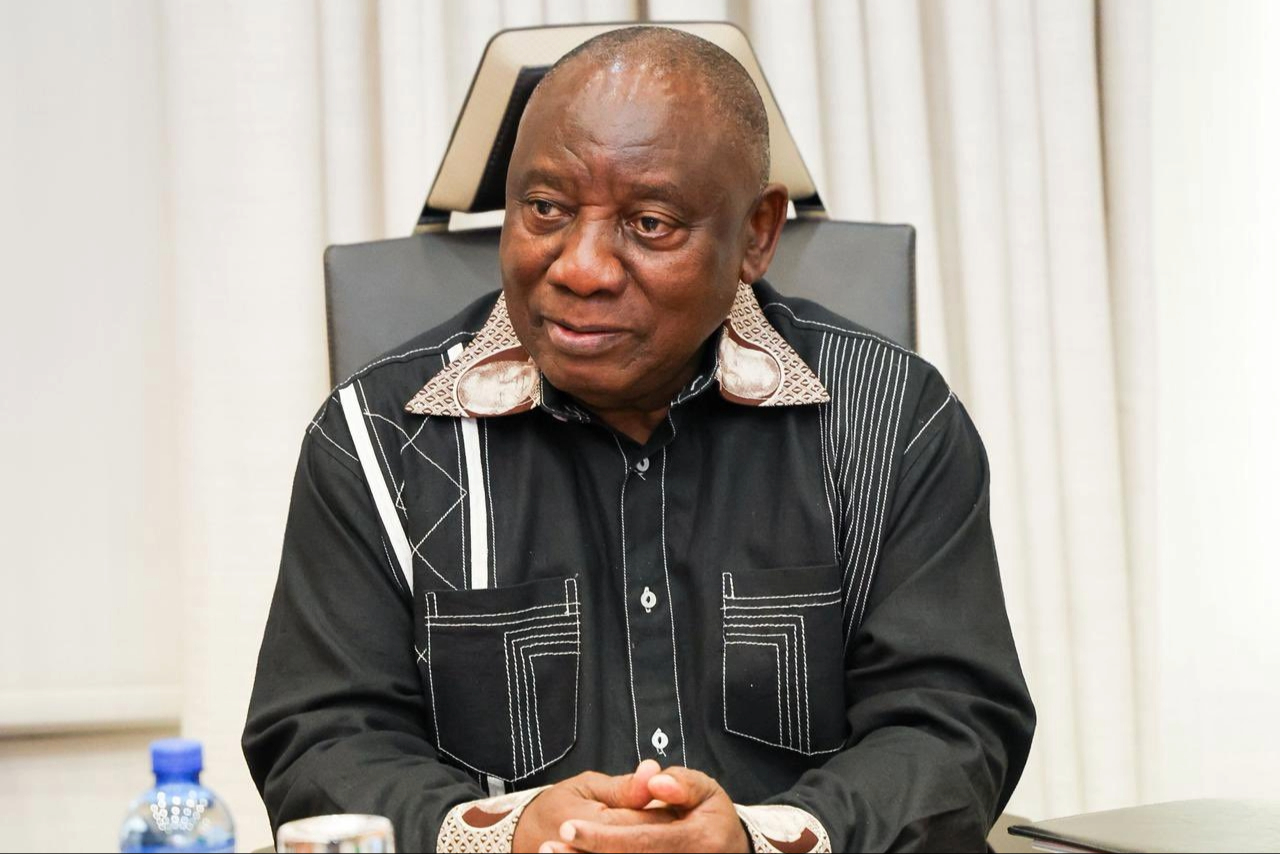
President Cyril Ramaphosa has officially opened the Nelson Mandela Rules Training Academy at the Drakenstein Correctional Facility in the Western Cape.
The Drakenstein Correctional Facility, formerly known as Victor Verster Prison, holds historical significance as the place from which Mandela walked to freedom on 10 February 1990.
Ramaphosa was accompanied by the Minister of Correctional Services Dr Pieter Groenewald as well as Sports, Arts and Culture Minister Gayton McKenzie.
Today marks 36 years since Mandela’s release from prison.
The Academy is the first of its kind in Africa to focus exclusively on the United Nations Standard Minimum Rules for the Treatment of Prisoners, known as the Nelson Mandela Rules.
It will serve as a centre for learning, research and shared knowledge, and help shape better correctional practices.
Ramaphosa said one cannot overcome crime in South Africa without having a frank conversation, about the rehabilitation of offenders, their re-integration into society, and prevention of re-offending.
He explained that the facility symbolised the humanisation of corrections, the elevation of dignity, and the global pursuit of justice rooted in humanity.
“Our people are fed up with crime, and at most times are inclined to the ‘lock the door and throw away the key’ mentality when it comes to offenders, “he said.
He explained that offenders came from communities and families.
“They are mothers, fathers, brothers, sisters, daughters and sons. They are husbands, wives, partners, friends and colleagues. In as much as far too many in our country have been impacted by crime, there are also many families across the country from whence the offenders came, and they too have suffered,” he said.
He highlighted that once offenders had served their sentences, ex-offenders were released back into the community.
It was, therefore, a priority to ensure that they were rehabilitated and provided with the necessary support to successfully reintegrate into society.
Ramaphosa said the academy would focus on providing education, skills training and support to inmates in line with the Nelson Mandela Rules – to provide opportunity to inmates in preparation for life outside prison, and for those serving long sentences, a chance to better themselves.
“I am told this is the first such facility of its kind on the African continent, so it will serve as knowledge hub not only for South African officials, but also for the global corrections community,” he stated.
Thirty-six years on, the moment of Mandela’s release continues to resonate. It reminds us freedom is not a single event, but an ongoing process that demands ethical leadership, courage in the face of injustice, and a willingness to challenge systems that deny dignity to others. Mandela’s life teaches us that making good trouble is not about disruption for its own sake, but about principled action in pursuit of justice, even when the cost is high and the outcome uncertain.