
By Lehlohonolo Lehana.
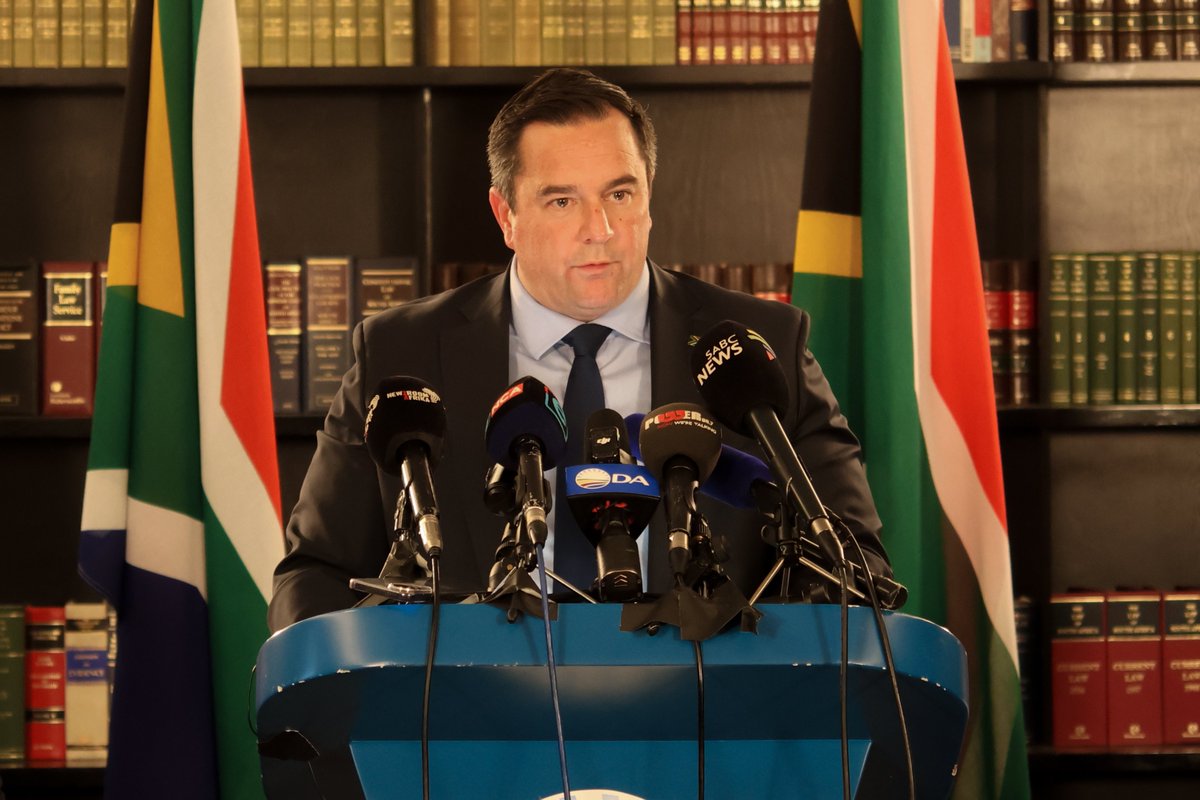
The minister of Agriculture John Steenhuisen has noted that the Gauteng High Court did not grant the urgent relief sought in the application to interdict the government’s obstruction of private-sector procurement and administration of foot-and-mouth disease (FMD) vaccines.
Instead, the matter has been postponed to allow the department to finalise its vaccination scheme.
The matter was heard on Tuesday, 24 March, and it was brought by Sakeliga, SAAI, and Free State Agriculture.
The court application followed the failure by Steenhuisen, to provide a lawful basis for his prohibition on private-sector vaccine procurement and administration, and the detrimental interference by agriculture officials in private vaccine import agreements.
They argued the Minister’s insistence on state control of all aspects of FMD vaccination, in contrast to the common practice of private procurement and administration of livestock vaccination for other diseases, has caused widespread distress and significant production losses across the agricultural sector.
The FMD outbreak started in April 2025 and has since spread to all nine provinces in South Africa, with farmers across the country battling the highly contagious disease.
So far, the government has responded through export-certification requirements and restricting the movement of animals.
Steenhuisen and the Department of Agriculture have also introduced a multi-pronged approach to securing the vaccines needed to treat the national herd.
As the government currently lacks the capacity to produce all of the vaccines it needs, with vaccine manufacturing capacity at Onderstepoort gutted over the past few years, it has relied heavily on imports from countries like Argentina, Turkey, and Botswana.
The court ordered on Tuesday that if the Minister wanted to start a vaccination plan, he must have it ready by 17 April. It also ordered that farmers and experts, who were previously locked out, can now help finish the plan.
The court further ordered the government to pay certain legal costs because of its delays.
The court made it clear that the government could no longer ignore the urgency of the crisis.
In his press statement, Steenhuisen claimed that the application brought by Sakeliga and others would have effectively allowed unregulated private procurement and administration of FMD vaccines outside the established national framework.
“The outcome reinforces the principle that South Africa’s biosecurity response must be coordinated, science-based, and aligned with national and international standards,” Steenhuisen said.
“This matter was never simply about access to vaccines. It was about ensuring that South Africa’s response to FMD remains credible, coordinated, and compliant with the legal framework that protects both our national herd and our export markets.”
He claimed that the coalition’s attempt to secure urgent court intervention to bypass established regulatory processes was both premature and misdirected.
“The court has recognised that there are no grounds for urgent intervention that would disrupt the state’s ongoing disease control strategy,” he said.
“This is an important affirmation of the role of government in managing animal health risks in a structured and responsible manner.”
In this regard, Steenhuisen said South Africa’s FMD strategy is progressing, with vaccine procurement, distribution, and administration continuing under strict regulatory oversight, and with additional consignments of vaccines already secured.
“Our priority remains clear – to stabilise outbreaks, protect the national herd, and restore South Africa’s animal health status in line with international standards,” he said.
He added that this approach requires discipline, coordination, and adherence to the law, “not fragmentation”.
“We will continue to engage constructively with all stakeholders. But we will not compromise on the principles that underpin an effective biosecurity system,” Steenhuisen said.