
By Lehlohonolo Lehana
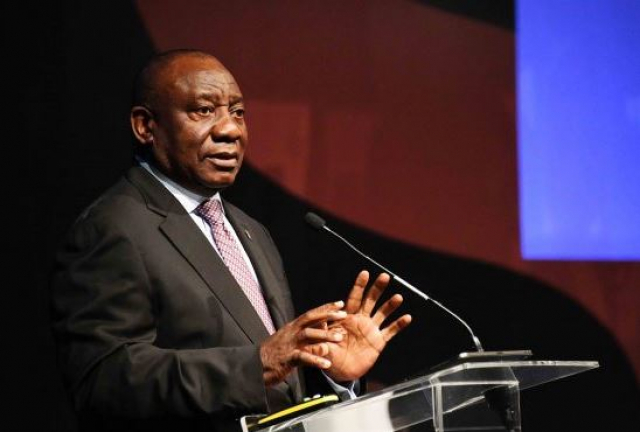
President Cyril Ramaphosa on Tuesday launched a R1.2 billion fund aimed at boosting recovery in the tourism industry.
Speaking at the virtual launch of the Tourism Equity Fund (TEF), Ramaphosa said many jobs in the tourism and associated sectors in the value chain have been shed.
As damaging as this pandemic has been, and continues to be, we can be certain that as infections are brought under control and more areas of economic activity resume, there will be a gradual recovery.
“The task before us now is to ensure that we do not simply return to business as usual, but that we accelerate the pace towards achieving our transformation goals, “Ramaphosa said.
The Tourism Equity Fund will be used in particular to help black entrepreneurs start businesses and projects in the sector, said tourism minister Mmamoloko Kubayi-Ngubane.
The cash, she said, will come from government, lenders and the Pretoria-based Small Enterprise Finance Agency.
“The president said that while many jobs in the tourism and associated sectors in the value chain have been shed, and as damaging as this pandemic has been – and continues to be – “we can be certain that as infections are brought under control and more areas of economic activity resume, there will be a gradual recovery”.
Tourism, the president pointed out, directly accounts for 2.9% of South Africa’s GDP and 8.6% indirectly. It supports about one-and-a-half million direct and indirect jobs.
Ramaphosa said that it is one of the economic segments that can play a pivotal role in transforming the economy and contributing to changing patterns of ownership and control.
If the tourism sector is to play its role in aiding the economic recovery in the wake of Covid-19, it must grow and transform, he said.
“As a combination of grant funding, concessionary loans and debt finance, the fund will cater to the specific needs of black-owned businesses to acquire equity, invest in new developments or expand existing developments,” the president said.
Job losses in the travel and tourism sector in the meantime, have continued into 2021, including countless B&Bs, restaurants, and related institutions. Hilton temporarily closed its hotel in Durban in January, having closed one of its hotels in Cape Town CBD in mid 2020.
Brewer Heineken also announced last week that it would lay off 70 employees because of the impact of the alcohol ban.
Similarly, SAB suspended 550 temporary contract workers across its South African operations, because of the ripple effect of the alcohol ban throughout its beer value chain. It also cancelled a second R2.5 billion investment in the country, because of the ban.
Extended lockdown regulations amid a second wave of the Covid-19 pandemic, continues to play havoc on businesses and livelihoods in South Africa, leading to calls to extend the Temporary Employer/Employee Relief Scheme (Ters) wage protection.
These calls come after the Unemployed Insurance Fund (UIF) said this week that 578,677 of people who claimed from Ters are newly unemployed. It pointed to an increase of 40% in Section 189 and Section 189A notices, which would add to the country’s unemployment crisis.
The UIF said that the fund paid 1,787,268 beneficiaries more than R10 billion between 26 March 2020 and 19 January 2021.
The most recent Stats SA unemployment numbers for the third quarter of 2020, showed that unemployment increased substantially by 2.2 million (52.1%) to 6.5 million, compared to the second quarter of 2020.
Meanwhile the Tourism Business Council of South Africa (TBCSA) welcomed the launch of the Tourism Equity Fund (TEF) by the Department of Tourism in partnership with the Small Enterprise Finance Agency (SEFA).
TBCSA chief executive Tshifhiwa Tshivhengwa said that inclusivity and growth of the tourism sector had always been a critical priority for them and they believed that this fund would do exactly that, by supporting entrepreneurship and investing in transforming the industry. “The launch of this initiative is a step in the right direction and shows that opening the industry to new players is a prerogative to our government,” said Tshivhengwa.
Tshivhengwa further added that the TBCSA remains hopeful that the Fund will attract new participants to the tourism sector. One of the most important aspects of tourism is sustainability and we know that this fund will inject some sustainability during this critical time for the tourism sector.