
By Lehlohonolo Lehana.
President Cyril Ramaphosa confirmed that South Africa will present a draft resolution on the establishment of the International Panel on Inequality for adoption by the United Nations General Assembly, during its 80th resumed session in 2026.
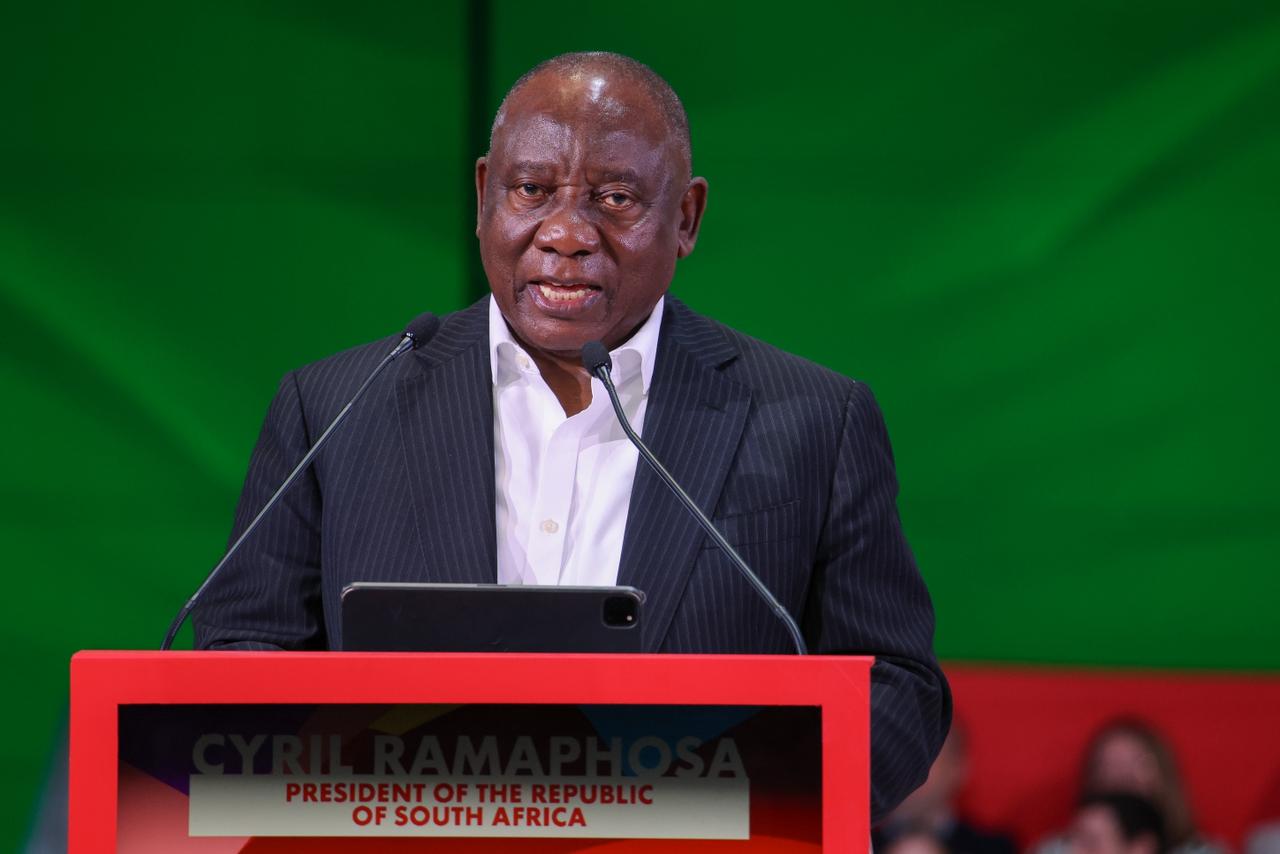
Ramaphosa was speaking at the Plenary on Extremism and Inequality at the In Defence of Democracy initiative, during a working visit in Barcelona, Spain.
He emphasized that addressing inequality is fundamental to strengthening democratic systems worldwide.
“At the heart of democracy lies the principle that all people must have equal opportunities and equal means to contribute to decisions about their lives, “he said.
He argued that without meaningful progress on equality, democratic institutions risk weakening, as disparities in wealth, opportunity, and access undermine social cohesion and public trust.
The initiative builds on South Africa’s G20 Presidency, during which it commissioned a first-of-its-kind global inequality report led by Nobel laureate Joseph Stiglitz.
The report delivered a key message: Inequality is neither inevitable nor permanent—it can be reduced through deliberate policy choices.
This finding forms the intellectual foundation of the proposed UN panel, reinforcing the case for coordinated global action.
The proposal has already received backing from the African Union, strengthening its legitimacy and signalling broad support from the Global South.
Ramaphosa called on UN member states, policymakers, and civil society leaders to rally behind the initiative.
“This is the time for us to lead the world to address inequality,” he said, urging collective action to advance social justice and inclusive development.
The President acknowledged that South Africa remains one of the most unequal societies globally—a legacy of apartheid—making the issue both a domestic priority and a global advocacy point.
“We are committed to this endeavour,” he said, adding that the country’s experience underscores the urgency of addressing structural inequality.
If adopted, the resolution could mark a significant shift in international governance, placing inequality alongside climate change, health, and security as a core global policy priority.